

Principle and Working Scene Characteristics of Ceramic Material Pneumatic Conveying Lines
HeadPowder, a leading engineering company based in Shandong, China, specializes in the design and implementation of advanced pneumatic conveying systems tailored for the ceramic industry. This article delves into the fundamental principles behind ceramic material pneumatic conveying lines and explores the key characteristics of their operational environments.
Understanding the Core Principles of Ceramic Pneumatic Conveying
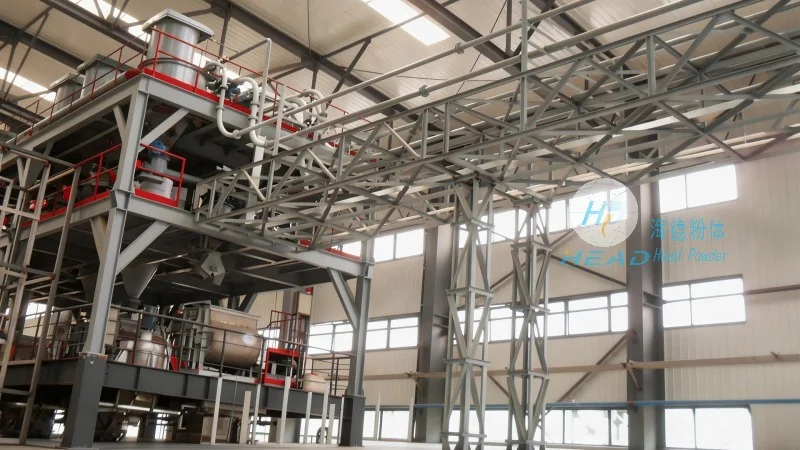
The pneumatic conveying of ceramic materials relies on the efficient transport of powders or granules through a pressurized or vacuum system. At its essence, the process involves creating a flow of air or gas that propels the ceramic particles from a source point to a destination point. This method is particularly advantageous for handling fine, dusty, or abrasive ceramic powders, as it eliminates the need for mechanical components that could cause contamination or wear. The system typically consists of a hopper, a conveyor line, and a receiver, with the air flow being managed by a blower or vacuum pump. The design of the conveying line is critical, as it must account for the specific properties of the ceramic material, such as particle size, density, and moisture content, to ensure optimal performance and minimal material degradation.
Key Working Scene Characteristics
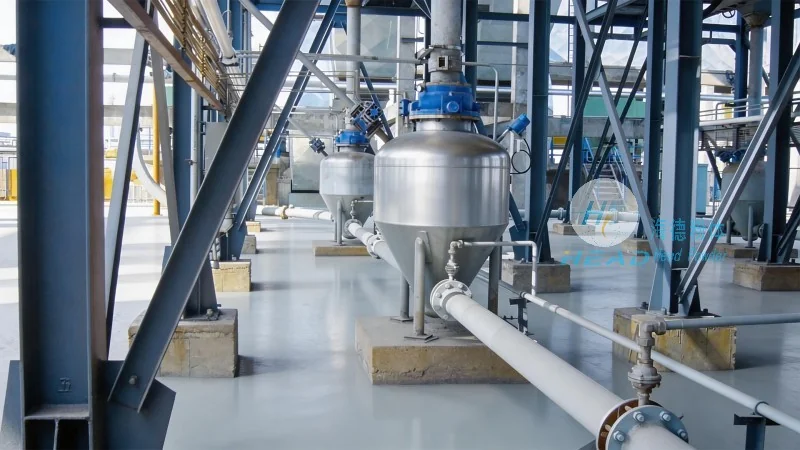
The operational environments for ceramic pneumatic conveying lines vary widely depending on the application. In industrial settings, these systems are commonly used in manufacturing facilities where ceramic powders are processed for tiles, sanitary ware, or refractory products. The working scenes often involve high-volume production lines, requiring continuous and reliable material transport. For example, in a tile manufacturing plant, the system may need to convey raw ceramic powders from storage silos to mixing and shaping equipment. The characteristics of these working scenes include high ambient temperatures, dust generation, and the need for precise control over material flow rates. Additionally, the systems must be designed to handle abrasive materials that can cause wear on components, necessitating the use of durable materials like stainless steel or special coatings.
Application-Specific Considerations
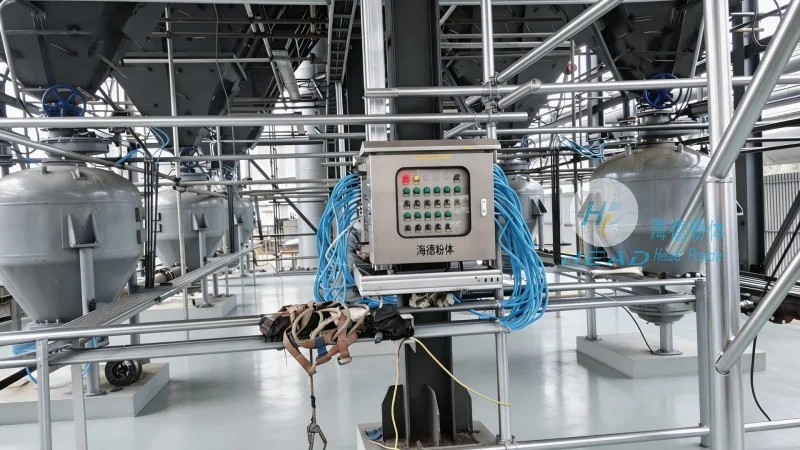
Different ceramic products demand tailored pneumatic conveying solutions. For instance, in the production of fine ceramic powders used in electronics or aerospace applications, the conveying system must maintain high purity and prevent contamination. This often requires the use of closed-loop systems with filtration and cleaning mechanisms. In contrast, for bulk ceramic materials like clay or feldspar used in traditional ceramics, the system may prioritize high throughput and cost-effectiveness. The working scene characteristics in these cases include large storage capacities and the need for flexible conveying routes to accommodate different production stages. HeadPowder's expertise lies in customizing these systems to meet the unique requirements of each client, ensuring that the conveying line operates efficiently within the specific operational environment.
Conclusion and Company Overview
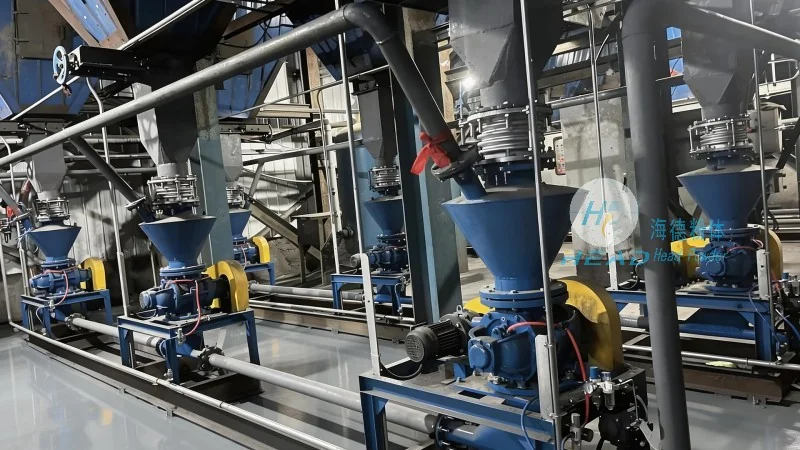
HeadPowder Engineering Co., Ltd., with its headquarters in Shandong, China, is dedicated to providing innovative and reliable pneumatic conveying solutions for the ceramic industry. By understanding the core principles of ceramic material transport and adapting to the diverse working scene characteristics, the company delivers systems that enhance productivity, reduce downtime, and maintain material quality. Whether for high-volume industrial production or specialized applications, HeadPowder's expertise ensures that ceramic pneumatic conveying lines are optimized for performance and longevity, supporting the success of its clients in the competitive ceramic market.