

Principles and Operational Characteristics of Fertilizer Powder Conveying Systems
HeadPowder, a leading provider of industrial conveying solutions, specializes in advanced fertilizer powder conveying systems. This article explores the fundamental principles behind these systems and highlights key operational scenarios where they excel in agricultural and industrial applications.
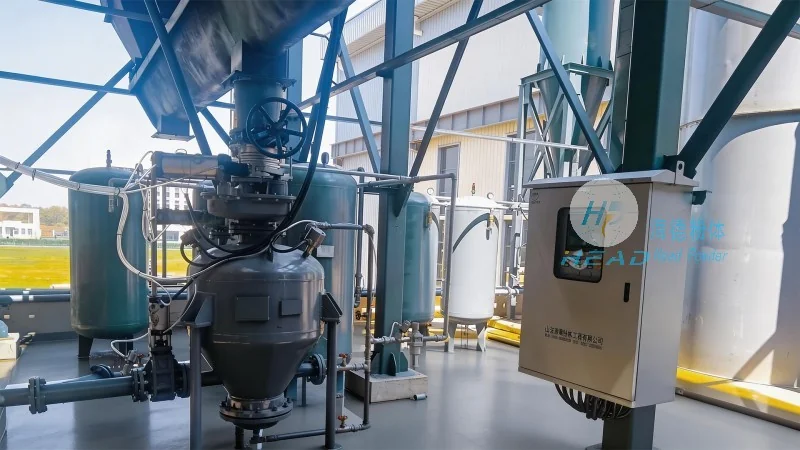
Company Overview: Shandong HeadPowder Engineering Co., Ltd.
HeadPowder is a professional enterprise based in Shandong, China. With a strong commitment to innovation and quality, the company has established itself as a trusted manufacturer and supplier of high-efficiency powder handling equipment. Our products are designed to meet the demanding requirements of fertilizer processing and transportation, ensuring reliable performance and durability in various operational environments.
The Core Principles of Fertilizer Powder Conveying Systems
Fertilizer powder conveying systems are engineered to transport bulk powders, such as nitrogen, phosphorus, and potassium fertilizers, from storage silos to processing facilities or distribution points. The primary principles involve efficient material movement, minimal product degradation, and consistent flow control. These systems typically utilize pneumatic or mechanical methods to achieve reliable and safe conveying. Pneumatic systems, for instance, employ compressed air to create a pressure differential that moves the powder through pipelines, while mechanical systems may use screw conveyors or belt conveyors to handle bulk materials. The choice of method depends on factors like material properties, distance, and required throughput. Advanced systems often incorporate features like variable speed drives, pressure sensors, and automatic control panels to optimize performance and adapt to changing operational conditions.
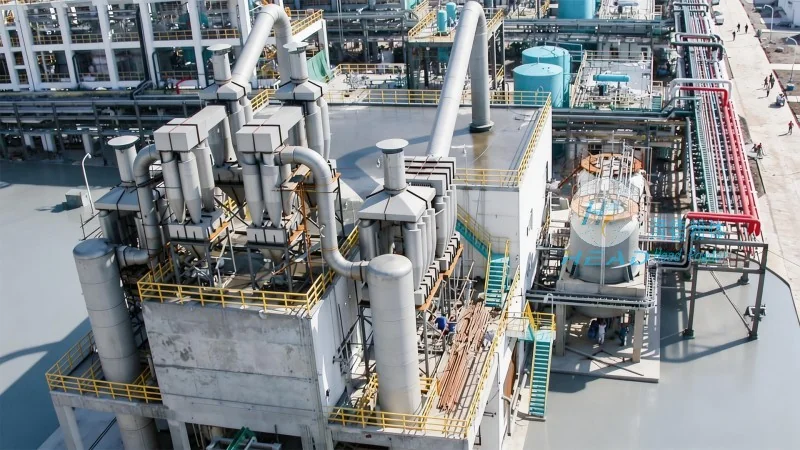
Key Operational Scenarios and Application Characteristics
The operational scenarios for fertilizer powder conveying systems vary widely based on the specific needs of agricultural and industrial operations. In large-scale fertilizer production plants, these systems are critical for moving raw materials from storage to mixing and packaging units. The ability to handle high volumes of powder efficiently reduces downtime and improves overall production efficiency. In agricultural settings, such as fertilizer distribution centers, the systems facilitate the transfer of bulk fertilizers to trucks or storage tanks, ensuring timely delivery to farms and fields. Another important scenario involves the handling of specialized fertilizers, like organic or slow-release products, which may require gentle handling to prevent clumping or degradation. The design of the conveying system, including the type of pipeline, material of construction, and control mechanisms, is tailored to the specific characteristics of the fertilizer being transported. For example, systems handling corrosive or abrasive materials may use stainless steel or special coatings to protect against wear and corrosion. Additionally, the integration of safety features, such as dust suppression systems and emergency shut-off valves, is essential in preventing accidents and maintaining compliance with environmental regulations.
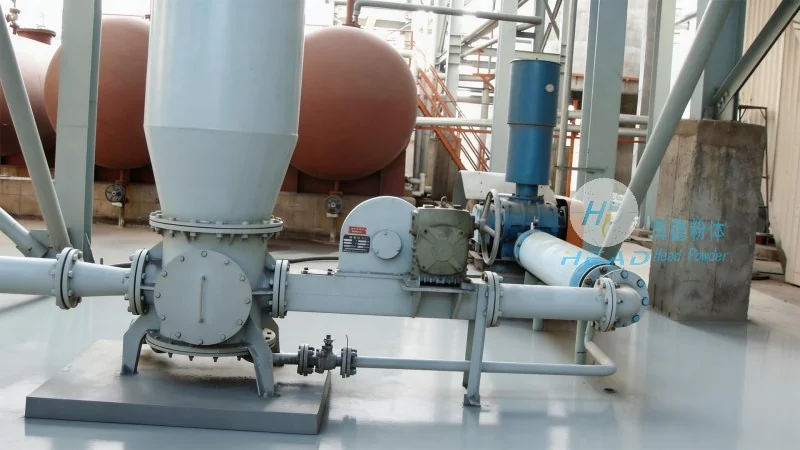
Advantages and Performance Metrics
Implementing a fertilizer powder conveying system offers several advantages that enhance operational efficiency and product quality. One of the main benefits is the reduction in manual labor, as automated systems can handle large volumes of material with minimal human intervention. This not only improves safety by reducing exposure to dust and hazardous materials but also increases productivity by allowing workers to focus on other critical tasks. Another key advantage is the consistent flow control, which ensures that the correct amount of fertilizer is delivered to each processing stage. This precision is crucial for maintaining product quality and meeting regulatory standards. Furthermore, the energy efficiency of modern conveying systems, particularly those with variable speed drives, helps lower operational costs by optimizing energy consumption. Performance metrics, such as throughput capacity, pressure drop, and material handling efficiency, are carefully monitored to ensure the system operates within optimal parameters. Regular maintenance and calibration of the equipment are essential to maintain these performance levels and extend the service life of the system.
Conclusion and Future Directions
HeadPowder's fertilizer powder conveying systems exemplify the latest advancements in bulk material handling technology. By adhering to the core principles of efficient, reliable, and safe operation, these systems address the unique challenges of fertilizer transportation in both industrial and agricultural settings. As the demand for high-quality fertilizers continues to grow, the importance of robust conveying solutions cannot be overstated. Future developments may focus on integrating smart technologies, such as IoT sensors and predictive maintenance systems, to further enhance system performance and reduce downtime. However, the fundamental principles of effective powder conveying will remain consistent, ensuring that HeadPowder's solutions continue to meet the evolving needs of the industry.