

Principles and Working Scene Characteristics of Coffee Powder Conveying Systems
Coffee powder conveying systems are critical components in the coffee processing and distribution chain, engineered to efficiently transport coffee powder from production stages to storage or packaging areas. These systems ensure consistent, reliable movement of the product, which is vital for maintaining quality and preventing contamination. By integrating mechanical engineering principles with material handling expertise, these systems play a pivotal role in modern coffee production facilities, supporting seamless operations from roasting to final delivery.
Core Principles of Coffee Powder Conveying
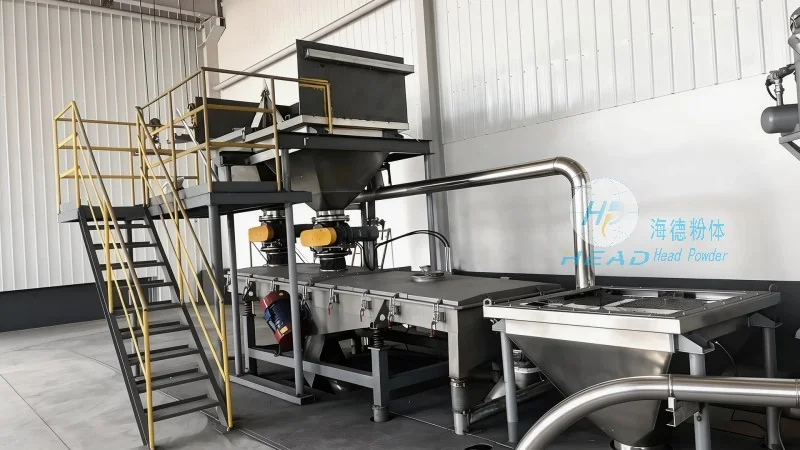
The fundamental principles of coffee powder conveying systems revolve around specialized equipment designed to handle dry, fine powders like coffee. Key elements typically include hoppers for material collection, conveyor mechanisms (either pneumatic or mechanical), and control systems for precise operation. The system operates by first accumulating coffee powder in a hopper, then transferring it to the transport system. Pneumatic conveying utilizes air pressure to move particles through pipes, while mechanical systems employ screws or belts to transport material. The selection of method depends on factors such as powder characteristics, transport distance, and required speed. For coffee powder—often light and delicate—pneumatic systems are commonly preferred, as they minimize particle degradation and clumping by gently handling the material.
Working Scene Characteristics of Coffee Powder Conveying Systems
The working scene characteristics of coffee powder conveying systems are tailored to the specific demands of coffee production environments. These systems are typically installed in clean, controlled areas to preserve the purity of the coffee powder. Their design is often modular, allowing easy integration into existing production lines. For instance, in a coffee roasting facility, the conveying system may connect the roasting machine to a grinding unit and then to a storage silo. Efficiency is measured by transport speed, material throughput per hour, and minimal risk of loss or contamination. Additionally, the systems are engineered for low maintenance, with components that can be easily cleaned and replaced to ensure long-term operation—critical in food processing industries where hygiene standards are strictly enforced.
Application Scenarios in Coffee Production
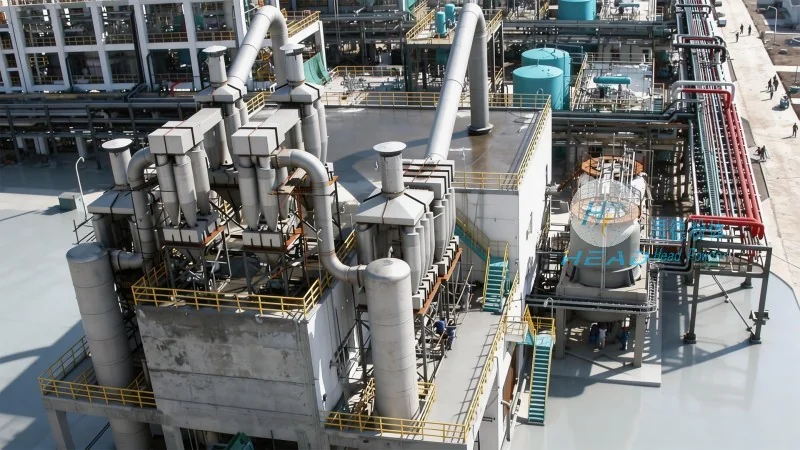
Coffee powder conveying systems are utilized across multiple stages of coffee production, from post-roasting processing to packaging. In the post-roasting phase, after beans are roasted and ground into powder, the system transports the powder to a storage silo or directly to packaging lines. This ensures the powder remains in a controlled environment, preventing moisture or air exposure that could affect flavor and shelf life. During packaging, the system moves coffee powder from storage to filling machines, where it is packaged into bags or containers. These systems are also employed in large-scale plants, where separate systems handle different coffee types (e.g., Arabica or Robusta) to maintain product integrity.
Advantages of Coffee Powder Conveying Systems
Implementing coffee powder conveying systems offers significant benefits for coffee producers. Firstly, automation enhances operational efficiency by reducing manual labor and minimizing human error, leading to consistent output and improved productivity. Secondly, the systems preserve product quality by preventing contamination and handling powder gently, avoiding clumping or degradation. This is essential for maintaining the coffee's flavor profile and shelf life. Thirdly, modular designs enable scalability, allowing producers to expand operations without major infrastructure changes—valuable for growing or diversifying businesses.
Case Study: Shandong HeadPowder Engineering Co., Ltd.
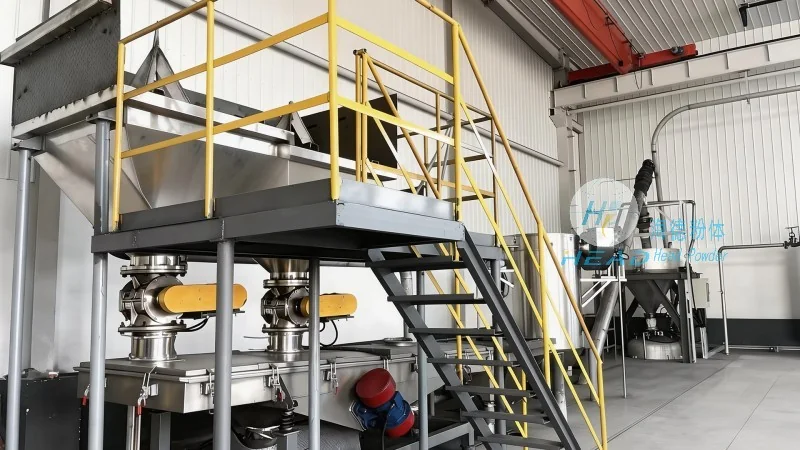
Shandong HeadPowder Engineering Co., Ltd., a leading manufacturer of coffee powder conveying systems, specializes in providing customized solutions for coffee production facilities. Headquartered in Shandong, China, the company has extensive experience in designing and installing systems that meet client-specific requirements. Their products are recognized for reliability, efficiency, and adherence to industry standards. The engineering team collaborates closely with clients to understand production processes and recommend optimal conveying solutions. By leveraging advanced technology and a deep understanding of coffee powder characteristics, Shandong HeadPowder Engineering Co., Ltd. helps producers optimize operations and boost productivity. The company's commitment to quality and customer satisfaction has established it as a trusted partner in the coffee industry.
Conclusion
Coffee powder conveying systems are indispensable in the coffee industry, ensuring efficient and reliable transport of coffee powder while upholding quality standards. The principles and working scene characteristics of these systems are tailored to coffee production needs, emphasizing efficiency, hygiene, and scalability. Companies like Shandong HeadPowder Engineering Co., Ltd. continue to innovate, offering advanced solutions that help producers meet operational and quality goals. As the coffee industry evolves, the importance of reliable conveying systems will only grow, solidifying their role as a cornerstone of modern coffee production.