Foam pneumatic conveying system equipment represents a specialized technology for transporting bulk materials through a combination of air and foam. This method provides an efficient and environmentally friendly solution for moving powders and granules over short to medium distances. The system operates by generating a foam medium, which enhances the carrying capacity of the air stream, enabling reliable transport of materials that might otherwise be challenging to convey with traditional pneumatic systems.
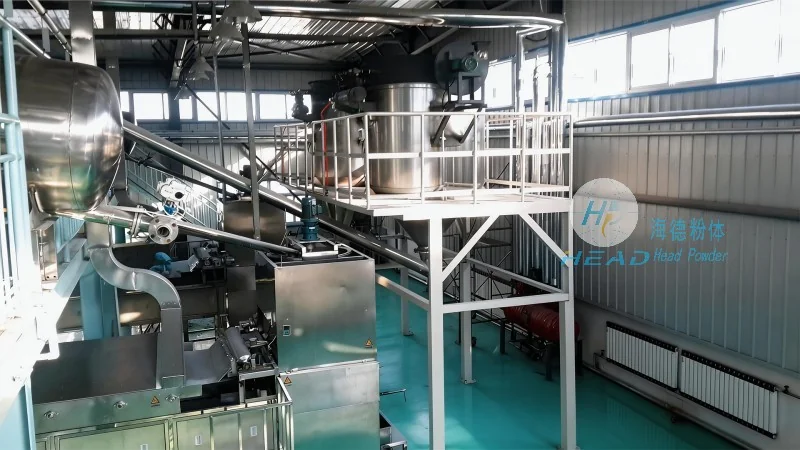
Principle of Foam Pneumatic Conveying System
The core principle of foam pneumatic conveying involves creating a stable foam structure within the conveying line. This is accomplished by injecting a small amount of liquid (typically water or a foaming agent) into the air stream, which then expands and forms a frothy mixture. The foam acts as a carrier, increasing the density of the air and improving the suspension of solid particles. As material is drawn into the foam-air mixture, it is carried through the pipeline with minimal pressure drop and low energy consumption. The system typically includes components such as a foam generator, air compressor, material feed hopper, and a control system to regulate flow and pressure.
Working Scene Characteristics and Applications
Foam pneumatic conveying systems are widely applied across various industrial sectors due to their adaptability and efficiency. In the chemical industry, these systems are used for transporting powders like calcium carbonate, talc, and other fine chemicals, ensuring minimal product degradation and contamination. The food and pharmaceutical industries benefit from the system's ability to maintain product purity and hygiene, as the foam medium prevents direct contact with air and reduces the risk of microbial growth. Additionally, in the mining and mineral processing sector, foam pneumatic conveyors are employed to transport ores and minerals, offering a cost-effective alternative to traditional belt or bucket elevators.
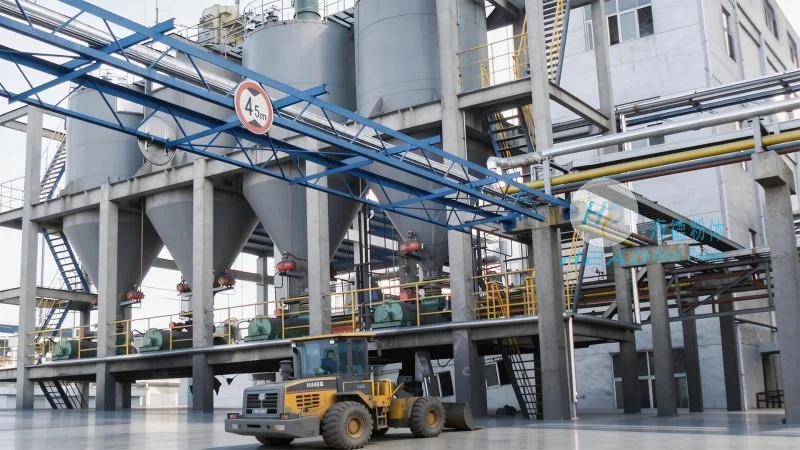
Advantages in Different Operational Environments
The working scene characteristics of foam pneumatic conveying systems are particularly advantageous in environments where traditional conveying methods may face challenges. For instance, in dusty or hazardous areas, the foam acts as a dust suppressant, reducing airborne particles and improving workplace safety. The system also excels in handling materials with high moisture content or those prone to caking, as the foam helps maintain particle separation and prevents blockages. Furthermore, the low noise level and compact design of the equipment make it suitable for indoor applications or areas with strict noise regulations. In terms of operational flexibility, the system can be easily adjusted to handle different material types and flow rates, making it a versatile solution for diverse industrial needs.
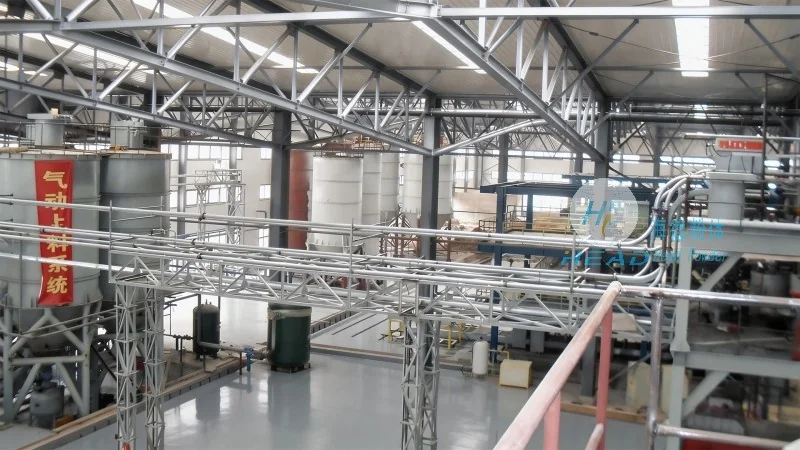
Technical Specifications and Performance Metrics
Shandong HeadPowder Engineering Co., Ltd., a leading manufacturer based in Shandong, China, specializes in the design and production of foam pneumatic conveying systems. The company's equipment is engineered to meet the specific requirements of various industries, with customizable components that ensure optimal performance. Key technical specifications include a conveying capacity ranging from 10 to 500 cubic meters per hour, depending on the material and system configuration. The foam generator is designed to produce a stable foam with a low liquid-to-air ratio, typically 0.1 to 0.5 liters per cubic meter of air, which minimizes water usage and reduces operational costs. The air compressor used in the system is equipped with a variable frequency drive (VFD) to control air pressure and flow, allowing for precise regulation of the conveying process. Performance metrics such as pressure drop, energy consumption, and material recovery rate are continuously monitored to ensure efficient operation and maximize the system's lifespan.
Environmental and Safety Considerations
Foam pneumatic conveying systems are designed with environmental and safety considerations in mind. The use of foam as a carrier reduces the need for high-pressure air, resulting in lower energy consumption compared to conventional pneumatic systems. The system also minimizes dust emissions, as the foam encapsulates material particles, preventing them from becoming airborne. This not only improves air quality in the workplace but also reduces the risk of respiratory issues for operators. Additionally, the equipment is constructed with materials resistant to corrosion and wear, ensuring long-term durability and minimal maintenance requirements. Safety features such as pressure relief valves and emergency shut-off systems are integrated into the design to prevent accidents and protect personnel. The company adheres to international safety standards and provides comprehensive training to ensure operators are well-equipped to handle the system safely and effectively.




