

Principle and Working Scene Characteristics of Wool Pneumatic Conveying System Equipment
Wool processing is a critical industry, and the efficiency of material handling directly impacts production quality and operational costs. Pneumatic conveying systems have emerged as a sophisticated solution for transporting wool and other fibrous materials, offering advantages in terms of hygiene, speed, and flexibility. This article explores the fundamental principles of wool pneumatic conveying equipment and highlights key characteristics of its working scenes, providing insights into how these systems enhance operational efficiency in wool processing facilities.
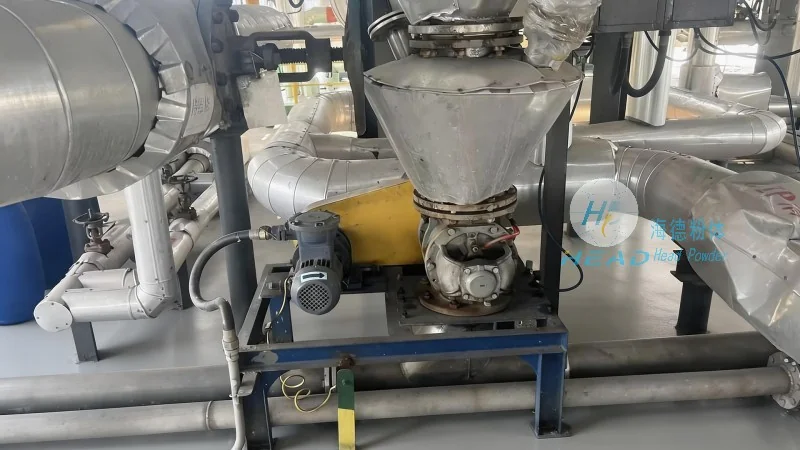
Company Profile: Shandong HeadPowder Engineering Co., Ltd.
HeadPowder, a leading manufacturer in the field of pneumatic conveying technology, is headquartered in Shandong, China. With years of experience in engineering and manufacturing, the company specializes in designing and supplying customized solutions for material handling, particularly in the textile and fiber processing sectors. The company's commitment to innovation and quality ensures that its products meet the stringent requirements of modern wool processing industries.
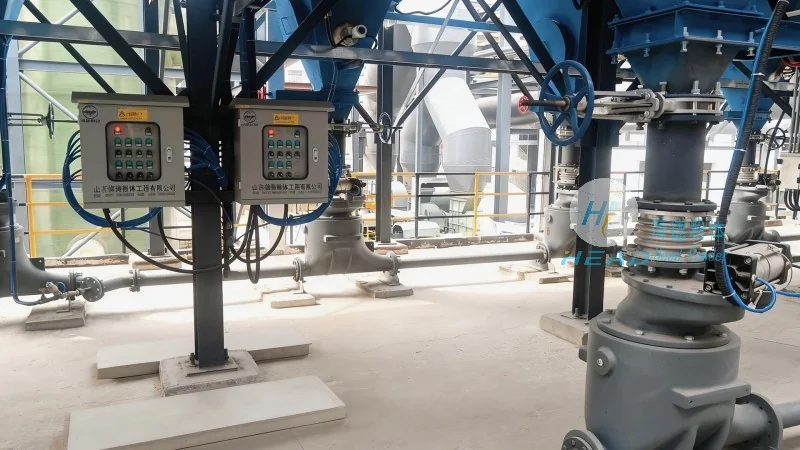
Principle of Wool Pneumatic Conveying Systems
The core principle of a wool pneumatic conveying system is the use of compressed air to transport materials through a network of pipes. In the case of wool, the system typically operates under negative pressure, where air is drawn through the material, creating a low-pressure environment that pulls the wool particles along with it. This method, known as suction conveying, is particularly effective for handling fine or dusty materials like wool, as it minimizes particle breakage and maintains material integrity. The system consists of several key components, including a hopper for material storage, a conveyor line with multiple inlets and outlets, a filter system to capture dust and particles, and a fan or blower to generate the necessary airflow. The design of these components is optimized to ensure efficient material transport while maintaining operational safety and compliance with industry standards.
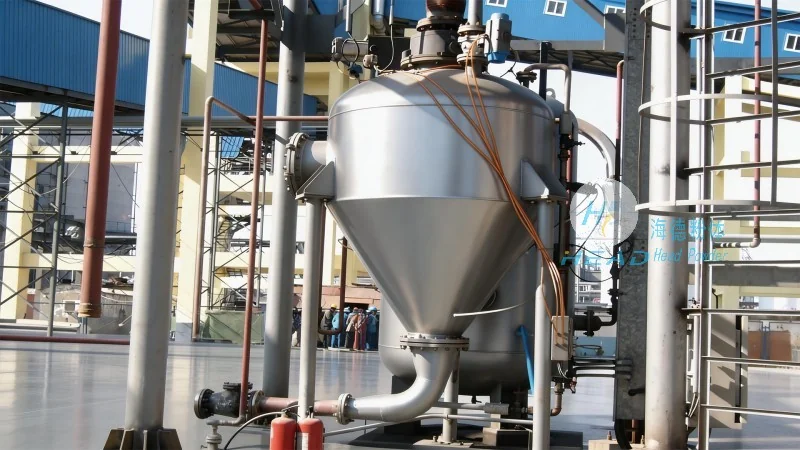
Working Scene Characteristics of Wool Pneumatic Conveying Systems
The application of wool pneumatic conveying systems varies across different working scenes, each tailored to specific production needs and operational environments. In textile mills, for example, these systems are commonly used to transport raw wool from storage areas to processing machines, such as carding or spinning equipment. The flexibility of the system allows for the integration of multiple material streams, enabling seamless transitions between different production stages. In warehouse settings, the equipment is utilized for inventory management, facilitating the movement of wool bales or packages from storage to packaging or shipping areas. The ability to handle large volumes of material in a short time reduces labor costs and improves overall workflow efficiency. Additionally, in processing plants that require continuous material flow, the system's ability to operate continuously without frequent stops enhances production throughput. The working scenes also highlight the importance of system maintenance and monitoring, as regular checks on air pressure, filter performance, and pipe integrity are crucial for maintaining optimal performance and preventing downtime.
Advantages and Practical Applications
Wool pneumatic conveying systems offer several advantages that make them a preferred choice for modern wool processing facilities. One of the primary benefits is the hygienic nature of the system, as it minimizes direct human contact with raw materials, reducing the risk of contamination and improving product quality. The enclosed system also helps in controlling dust and airborne particles, contributing to a cleaner working environment. Another advantage is the high efficiency in material transport, as the system can move large quantities of wool quickly and with minimal energy consumption compared to traditional methods like manual handling or mechanical conveyors. The flexibility of the system allows for easy integration with existing production lines, making it a cost-effective solution for upgrading or expanding processing capabilities. Practical applications include the automation of material handling in large-scale wool processing plants, where the system can handle multiple material types and adjust to varying production demands. The system's reliability and durability also contribute to long-term operational savings, as it requires less maintenance and has a longer service life compared to other conveying methods.
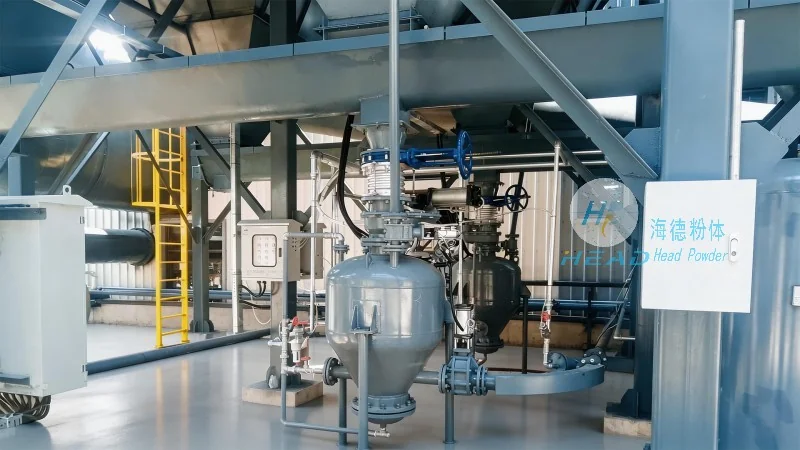
Conclusion
In conclusion, wool pneumatic conveying systems represent a sophisticated and efficient solution for material handling in the wool processing industry. The principles of suction conveying, combined with the tailored working scene characteristics, enable these systems to meet the diverse needs of modern textile and fiber processing facilities. As a leading provider in this field, Shandong HeadPowder Engineering Co., Ltd. continues to innovate and supply high-quality equipment that enhances operational efficiency, product quality, and overall productivity. By understanding the principles and characteristics of these systems, wool processing facilities can make informed decisions to optimize their material handling processes and stay competitive in the global market.