

Operation Process and Working Principle of Chromic Oxide Powder Pneumatic Conveying
Chromic oxide powder, a critical material in various industrial applications, often requires efficient and reliable transport methods. Pneumatic conveying stands out as a sophisticated solution for handling such powders, ensuring minimal loss, contamination, and operational safety. This article delves into the operation process and working principles of pneumatic conveying systems specifically designed for chromic oxide powder, highlighting the technical aspects and practical considerations for effective material handling.
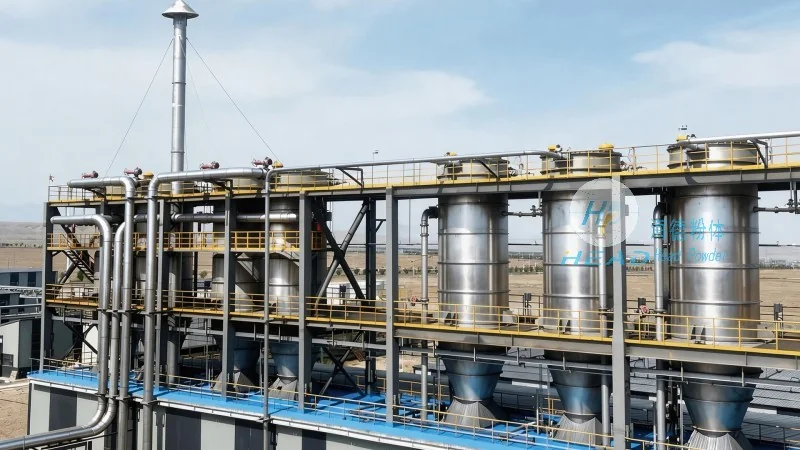
Company Overview: Shandong HeadPowder Engineering Co., Ltd.
Headpowder, operating under the full name Shandong HeadPowder Engineering Co., Ltd., is a specialized enterprise based in Shandong, China. The company focuses on providing advanced solutions for powder handling, including pneumatic conveying systems tailored to the unique properties of materials like chromic oxide. With a commitment to innovation and quality, Headpowder serves industries that demand precision and reliability in material transport.
Understanding Pneumatic Conveying Systems
Pneumatic conveying involves the use of pressurized air or vacuum to move particulate materials through a pipeline. For chromic oxide powder, which is typically fine and potentially abrasive, the system design must address challenges such as particle segregation, blockage, and material degradation. The core components of a pneumatic conveying system include the material feed hopper, conveyor pipeline, air supply unit (blower or compressor), and discharge mechanism. Each component plays a crucial role in ensuring the efficient and safe transport of the powder.
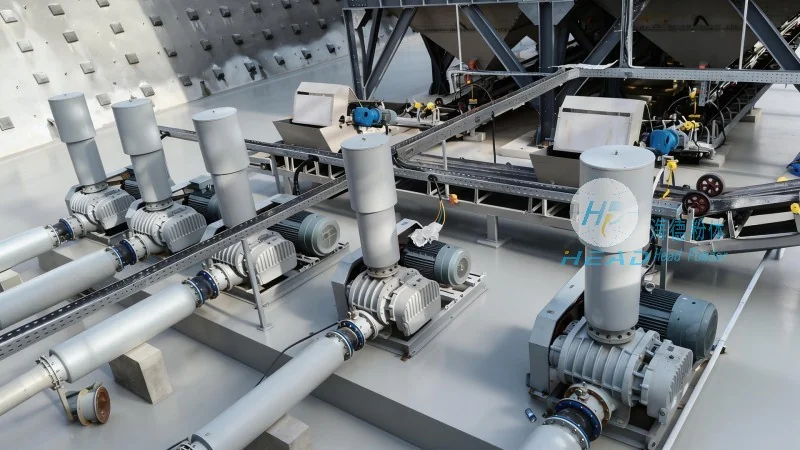
Operation Process of Chromic Oxide Powder Pneumatic Conveying
The operation process of pneumatic conveying for chromic oxide powder begins with the preparation of the material. The powder is stored in a hopper equipped with a feeder that controls the flow rate. The feeder ensures a consistent supply of powder into the conveyor pipeline. Simultaneously, the air supply unit generates the necessary pressure or vacuum to move the powder. As the powder enters the pipeline, it is suspended by the air flow, which carries it to the discharge point. The discharge mechanism, often a rotary valve or a venturi, regulates the release of the powder at the destination. Throughout the process, monitoring systems track parameters like pressure, flow rate, and temperature to maintain optimal performance and prevent issues such as clogging or material loss.
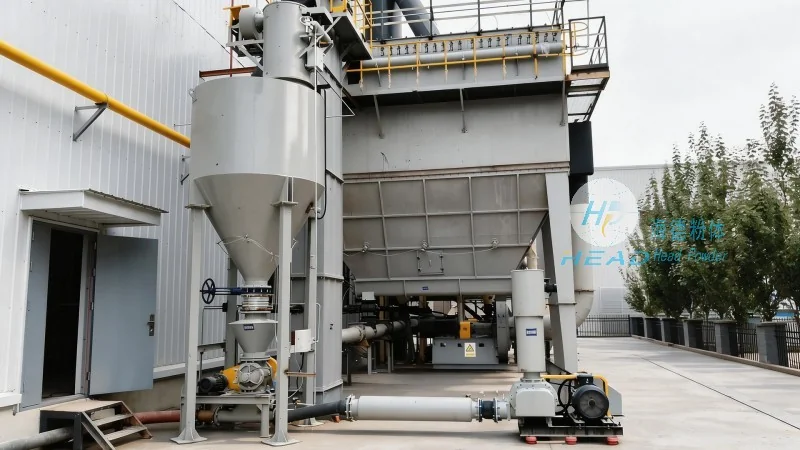
Working Principle of Pneumatic Conveying
The working principle of pneumatic conveying relies on the interaction between the powder particles and the air stream. In a pressure system, compressed air is introduced into the pipeline, creating a high-pressure environment that propels the powder forward. The air velocity must be sufficient to overcome the gravitational force acting on the particles and to prevent particle settling. In a vacuum system, a vacuum pump creates a low-pressure zone that draws the powder into the pipeline. The design of the pipeline, including the diameter and length, is critical to maintaining the required air velocity and pressure drop. For chromic oxide powder, which has specific particle size and density characteristics, the system must be optimized to ensure stable conveying without excessive energy consumption or wear on components.
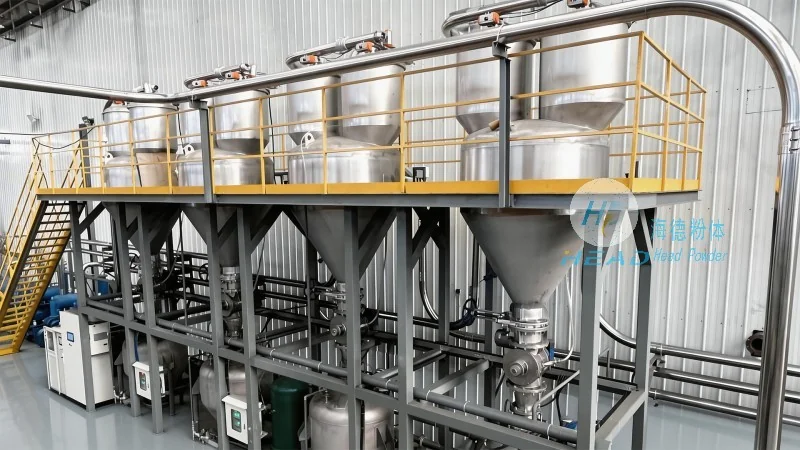
Key Considerations for Effective Conveying
Several factors influence the effectiveness of pneumatic conveying for chromic oxide powder. Particle size distribution is a primary consideration, as finer particles may require higher air velocities to remain suspended. The moisture content of the powder also affects the conveying process, as excessive moisture can lead to caking or blockage. Additionally, the material's abrasiveness necessitates the use of durable components, such as high-quality pipelines and valves, to minimize wear and extend the system's lifespan. Proper maintenance, including regular cleaning and inspection of components, is essential to prevent performance degradation and ensure long-term reliability.
Applications and Benefits
Pneumatic conveying systems for chromic oxide powder find applications in various industries, including chemical manufacturing, pigment production, and metal processing. The benefits of this technology include reduced labor costs, improved safety by minimizing manual handling, and enhanced product quality through minimized contamination. By efficiently transporting the powder from storage to processing units, the system contributes to increased productivity and operational efficiency. Headpowder's expertise in designing and implementing such systems ensures that clients receive tailored solutions that meet their specific operational needs and material characteristics.