

Operation Process and Working Principle of Film-Coated Sand Powder Pneumatic Conveying
For industries dealing with film-coated sand powders, efficient material handling is crucial for maintaining production efficiency and product quality. Pneumatic conveying systems offer a reliable solution for transporting these fine powders over short to medium distances. This article provides an in-depth look at the operation process and working principle of such systems, highlighting the key aspects that make them effective for film-coated sand applications.
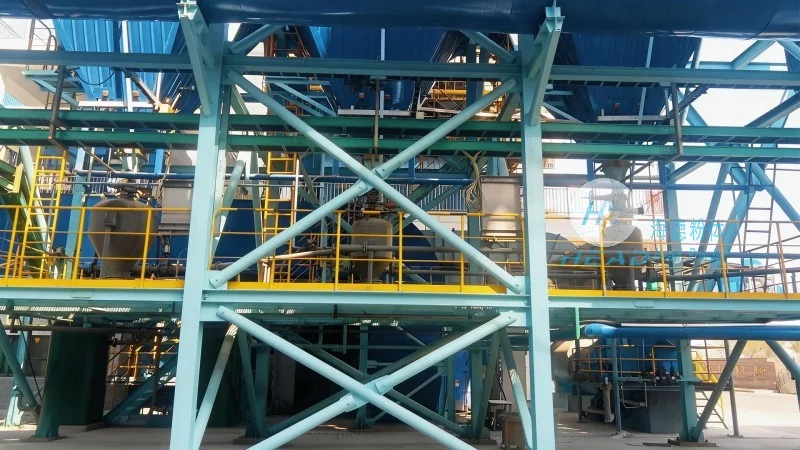
Introduction to Film-Coated Sand Powder Pneumatic Conveying Systems
Film-coated sand powders are widely used in foundry and casting industries due to their improved flowability and reduced dust generation compared to uncoated sand. Handling these powders requires specialized equipment to prevent agglomeration and ensure consistent particle size distribution. Pneumatic conveying systems, particularly pressure or vacuum-based designs, are well-suited for this purpose. The system typically includes components like a feeder, conveying line, separation unit, and collection hopper. Each component plays a critical role in the overall material transfer process.
Key Components and Their Roles in Pneumatic Conveying
The effectiveness of a pneumatic conveying system for film-coated sand depends on the proper design and integration of its key components. The feeder is responsible for introducing the sand powder into the system at a controlled rate, ensuring a steady flow. The conveying line, often made of stainless steel or other corrosion-resistant materials, transports the mixture of sand and air. The separation unit, such as a cyclone or bag filter, separates the sand from the air stream, allowing the air to be recirculated or vented while the sand is collected. The collection hopper stores the conveyed sand, ready for use in the next production step.
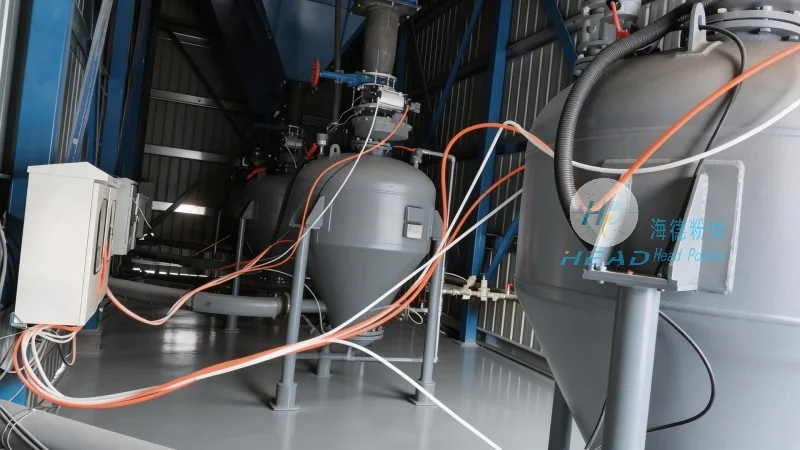
Operation Process of Pneumatic Conveying for Film-Coated Sand
The operation process of a pneumatic conveying system for film-coated sand involves several sequential steps. First, the film-coated sand is fed into the system via the feeder. Simultaneously, air is introduced into the conveying line, either under pressure (pressure conveying) or by creating a vacuum (vacuum conveying). The air and sand particles mix, forming a slurry that travels through the pipeline. As the mixture reaches the separation unit, centrifugal force or filtration separates the sand from the air. The separated sand is collected in the hopper, while the air is either filtered and recirculated or released to the atmosphere. This continuous process ensures that the film-coated sand is transported efficiently and without degradation.
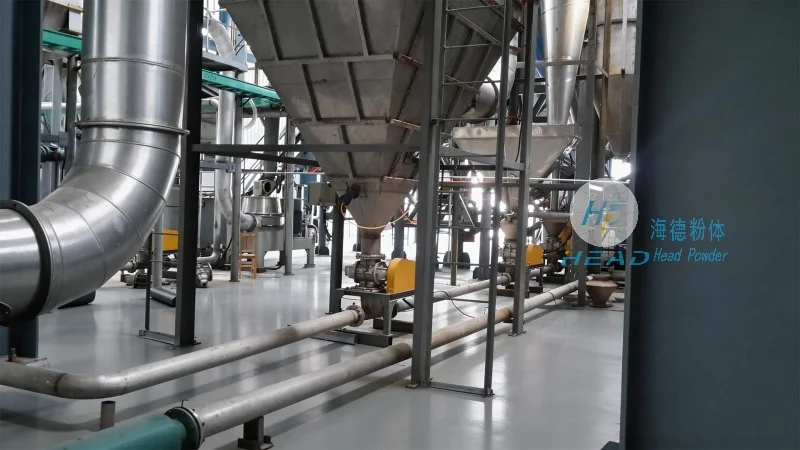
Working Principle: How the System Transfers Material Efficiently
The working principle of pneumatic conveying for film-coated sand is based on the interaction between the solid particles and the air stream. In pressure conveying, a positive pressure is applied at the inlet, pushing the air and sand mixture through the pipeline. The velocity of the air is maintained above the minimum fluidization velocity of the sand particles to keep them suspended and prevent settling. In vacuum conveying, a vacuum is created at the outlet, drawing the air and sand mixture from the source. The system's design, including the size of the conveying line and the air velocity, is critical to achieving efficient transport without causing excessive wear or particle degradation. For film-coated sand, maintaining the right air-to-sand ratio and velocity is essential to preserve the coating integrity and prevent caking or agglomeration during transport.
Benefits of Using Pneumatic Conveying for Film-Coated Sand
Implementing a pneumatic conveying system for film-coated sand offers several advantages. It reduces the need for manual handling, minimizing the risk of dust exposure and product contamination. The enclosed system prevents dust from escaping into the environment, improving workplace safety and compliance with environmental regulations. Additionally, pneumatic conveying can handle varying flow rates and particle sizes, making it adaptable to different production needs. The system's efficiency in transporting fine powders also helps in maintaining consistent product quality by ensuring uniform particle distribution. For companies like Shandong HeadPowder Engineering Co., Ltd., based in China, these systems are a key part of their material handling solutions, providing reliable and cost-effective transport for film-coated sand powders.