

Principle and Working Scene Characteristics of Coal and Coke Pneumatic Conveying Equipment
Coal and coke pneumatic conveying equipment is a critical component in industrial material handling systems, particularly in facilities that process and transport bulk materials such as coal and coke. This equipment utilizes air as the primary medium to transport solid particles through a pipeline network, offering a flexible and efficient method for material movement. The core principle of pneumatic conveying involves the creation of a flow of air within a closed system, which then carries the material particles from the source to the destination. This process can be categorized into two main types: suction (or negative pressure) conveying and pressure (or positive pressure) conveying, each with distinct operational characteristics and applications.
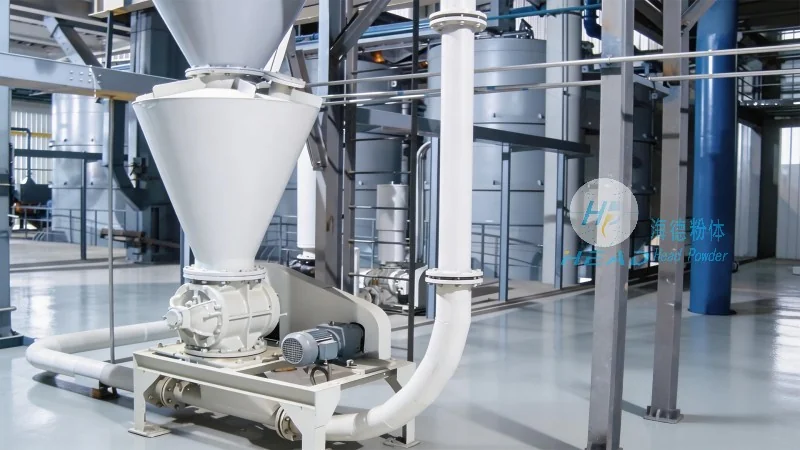
Principle of Pneumatic Conveying for Coal and Coke
The fundamental principle of pneumatic conveying for coal and coke is based on the interaction between the material particles and the air stream. In suction conveying, a vacuum is created at the material source, drawing the material into the pipeline as the air flows. This method is suitable for short to medium distance transport and is commonly used in applications where the material needs to be collected from a hopper or storage silo. The equipment typically includes a vacuum pump, a material feed system, and a separation unit at the receiving end to recover the material from the air stream. On the other hand, pressure conveying uses a positive pressure system, where air is forced through the pipeline under pressure, pushing the material particles forward. This method is ideal for longer distances and can handle more abrasive or high-density materials, as the higher pressure ensures consistent material flow and reduces the risk of blockages.
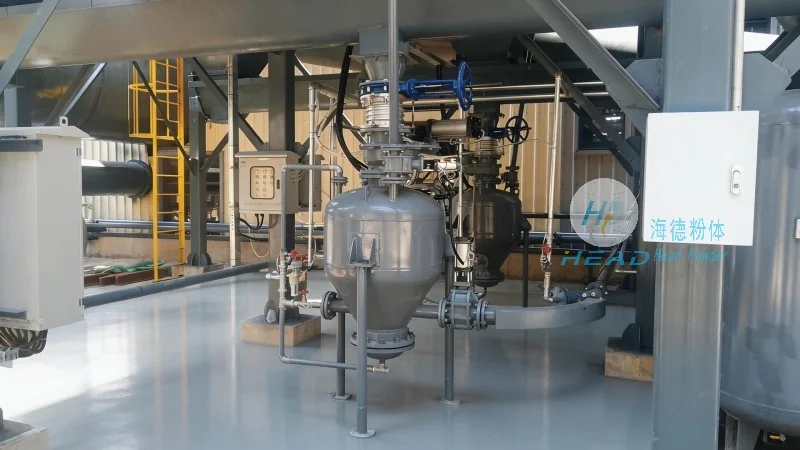
Working Scene Characteristics of Coal and Coke Pneumatic Conveying Equipment
The working scene characteristics of coal and coke pneumatic conveying equipment are shaped by the specific industrial environments in which they operate. These systems are commonly found in steel mills, coke plants, and power generation facilities, where large volumes of coal and coke need to be transported between different processing stages. One key characteristic is the ability to handle abrasive and high-density materials, which is crucial in industries dealing with coal and coke, as these materials can cause wear and tear on traditional conveyor systems. Pneumatic conveying systems are designed with durable components, such as high-quality steel pipelines and specialized valves, to withstand the harsh conditions of these materials. Another important characteristic is the flexibility in layout, as the equipment can be installed in various configurations, including vertical, horizontal, or mixed arrangements, to accommodate the spatial constraints of different industrial settings. This adaptability allows for efficient material transport even in complex plant layouts.
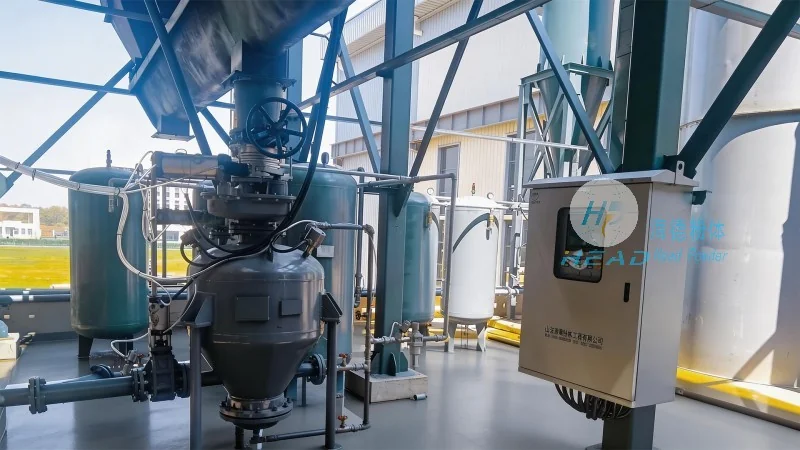
Application Scenarios and Operational Efficiency
Coal and coke pneumatic conveying equipment is widely used in various operational scenarios that demand reliable and continuous material handling. For instance, in steel production, the equipment is used to transport coal from storage silos to the blast furnace or coke ovens, ensuring a steady supply of raw materials for the production process. In coke plants, the system is employed to move coke from the coking process to storage areas or to other processing units, facilitating the efficient use of coke as a fuel or reducing agent. The operational efficiency of these systems is enhanced by features such as automatic control systems, which regulate the air flow and material feed rates to maintain optimal performance. Additionally, the equipment can be integrated with other processing equipment, such as crushers and screens, to form a complete material handling line, improving overall plant productivity. The use of pneumatic conveying also reduces the need for manual labor and minimizes the risk of material spillage, contributing to a safer and more environmentally friendly operation.
Advantages and Considerations in Industrial Applications
When considering the implementation of coal and coke pneumatic conveying equipment, several advantages and considerations come into play. The primary advantage is the high efficiency in material transport, as the system can move large volumes of material over significant distances with minimal energy consumption compared to traditional belt conveyors. This efficiency is particularly beneficial in industries where material handling costs represent a significant portion of operational expenses. Another advantage is the reduced space requirement, as the equipment occupies less floor space compared to other bulk material handling systems, making it suitable for facilities with limited space. However, there are also considerations to keep in mind, such as the initial investment cost, which can be higher than that of traditional conveyors, and the maintenance requirements, which may involve regular inspection and replacement of components like filters and seals. Despite these considerations, the long-term benefits of improved efficiency and reduced labor costs often outweigh the initial investment, making pneumatic conveying a preferred choice for many industrial applications.
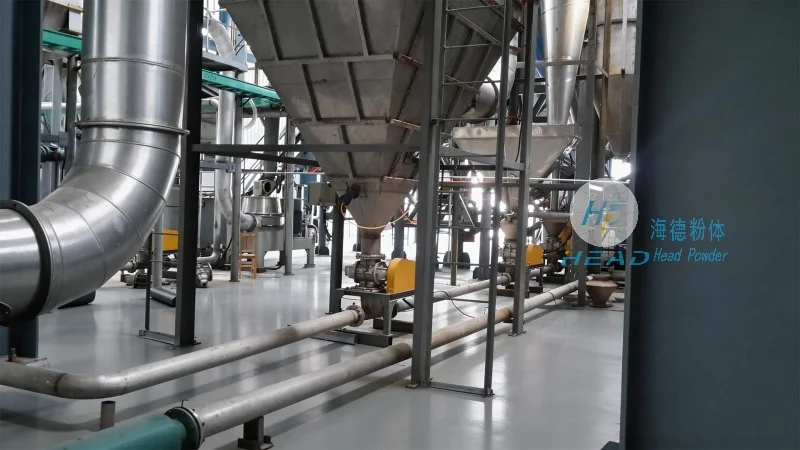
Conclusion
In conclusion, coal and coke pneumatic conveying equipment plays a vital role in modern industrial material handling, offering an efficient and flexible solution for transporting bulk materials. The principles of suction and pressure conveying, combined with the working scene characteristics tailored to industrial environments, make this equipment suitable for a wide range of applications. As industries continue to seek more efficient and sustainable material handling solutions, the use of pneumatic conveying systems is likely to grow, further solidifying its importance in the processing of coal and coke. The technology, developed and refined by companies like Shandong HeadPowder Engineering Co., Ltd., continues to advance, providing reliable and effective solutions for the evolving needs of industrial operations.