

Principles and Working Scene Characteristics of Coffee Pneumatic Conveying Equipment
For coffee processing facilities, efficient material handling is crucial to maintaining product quality and operational efficiency. Pneumatic conveying systems, particularly those designed for coffee beans and related products, offer a reliable solution. This article explores the principles behind coffee pneumatic conveying equipment and highlights key working scene characteristics that make it an ideal choice for coffee processing applications.
Introduction to Coffee Pneumatic Conveying Systems
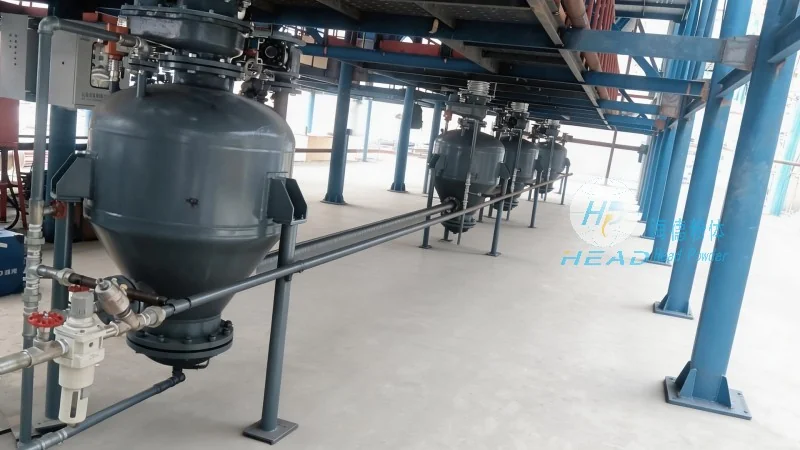
Coffee pneumatic conveying equipment utilizes air or gas to transport coffee beans, grounds, or other coffee-related materials from one location to another within a processing facility. Unlike traditional mechanical conveyors, pneumatic systems provide a closed-loop environment that minimizes product exposure to contaminants and reduces the risk of cross-contamination. This makes them particularly suitable for handling sensitive coffee products that require strict hygiene standards.
Core Principles of Pneumatic Conveying Technology
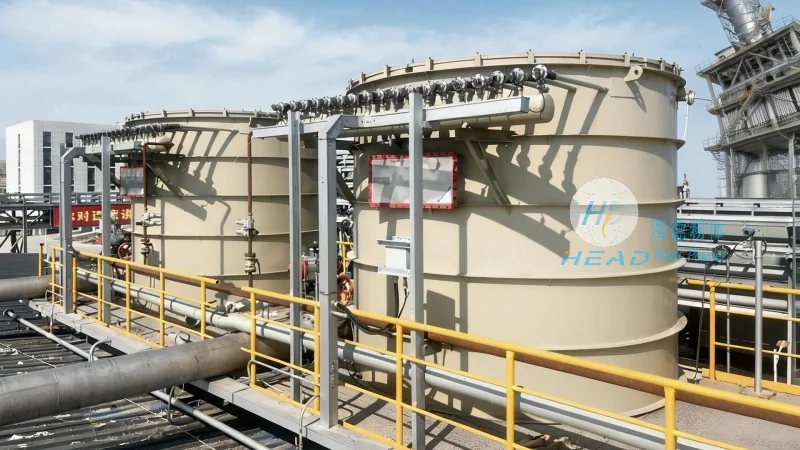
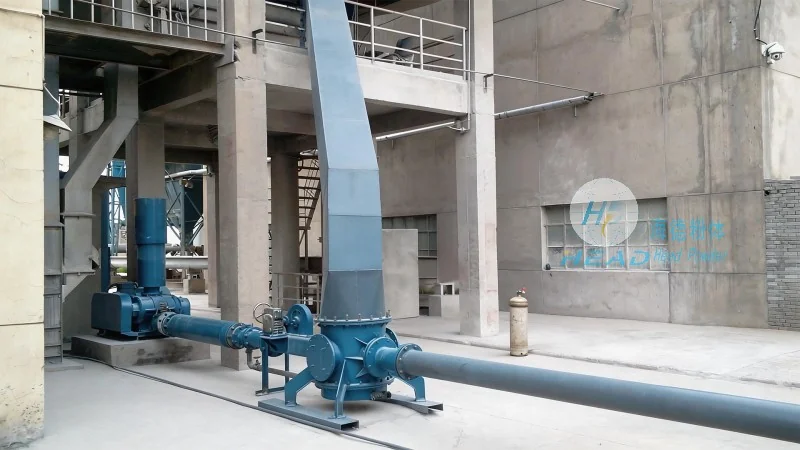
The fundamental principle of coffee pneumatic conveying is the use of differential pressure to move materials through a pipeline. The system typically consists of a blower or compressor that generates airflow, a hopper or feeder to introduce the coffee material, and a series of pipes, valves, and receivers to direct the material to its destination. The choice of conveying method—such as dilute phase or dense phase—depends on factors like material characteristics, distance, and required flow rate.
Working Scene Characteristics of Coffee Pneumatic Conveying
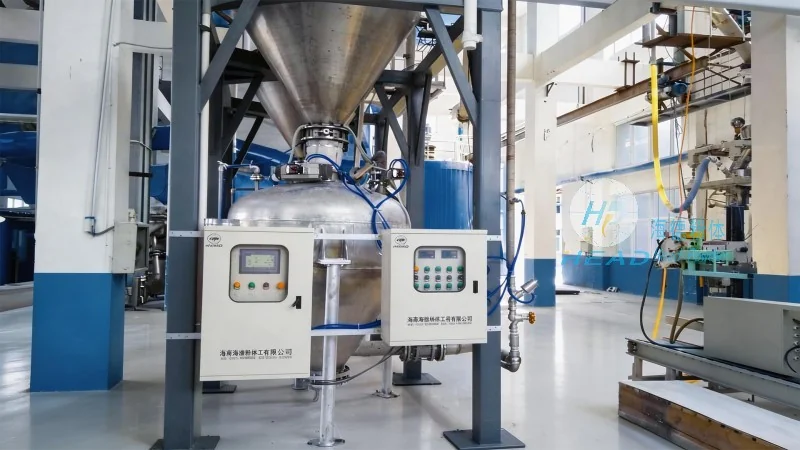
When applied in coffee processing environments, coffee pneumatic conveying equipment exhibits several distinct working scene characteristics that enhance operational performance. These include:
- Hygienic and Clean Design: The equipment is often constructed with stainless steel or food-grade materials to meet strict industry hygiene standards. This ensures that coffee products remain free from contaminants during transport.
- Flexibility in Layout: Pneumatic systems can be easily reconfigured to adapt to changing production layouts or to integrate with existing equipment, providing flexibility in facility design.
- Reduced Downtime: Unlike mechanical conveyors that may require regular maintenance or cleaning, pneumatic systems offer continuous operation with minimal downtime, as they do not have moving parts that can get clogged or damaged.
- Energy Efficiency: Modern coffee pneumatic conveying systems are designed to optimize energy usage, with adjustable airflow and pressure controls that reduce energy consumption while maintaining efficient material transport.
Applications in Coffee Processing
Coffee pneumatic conveying equipment is widely used in various stages of coffee processing, from raw bean handling to finished product packaging. For instance, it can be employed to transport freshly roasted coffee beans from the roaster to storage silos, or to move ground coffee from grinding machines to packaging lines. The ability to handle both bulk and fine materials makes it versatile for different coffee processing steps.
Conclusion
As coffee processing facilities strive for higher efficiency and product quality, coffee pneumatic conveying equipment offers a robust and hygienic solution. By understanding the core principles and working scene characteristics of these systems, coffee producers can make informed decisions to enhance their operational capabilities. With the support of companies like Shandong HeadPowder Engineering Co., Ltd., which specializes in engineering such equipment, coffee processing operations can achieve optimal performance and maintain the highest standards of product integrity.