

Principles and Working Scene Characteristics of Powdered Seasoning Pneumatic Conveying
HeadPowder, a leading provider in the field of powder handling technology, specializes in the design and implementation of pneumatic conveying systems for powdered seasonings. This article delves into the fundamental principles of pneumatic conveying and highlights the key characteristics of working scenes where such systems are commonly applied.
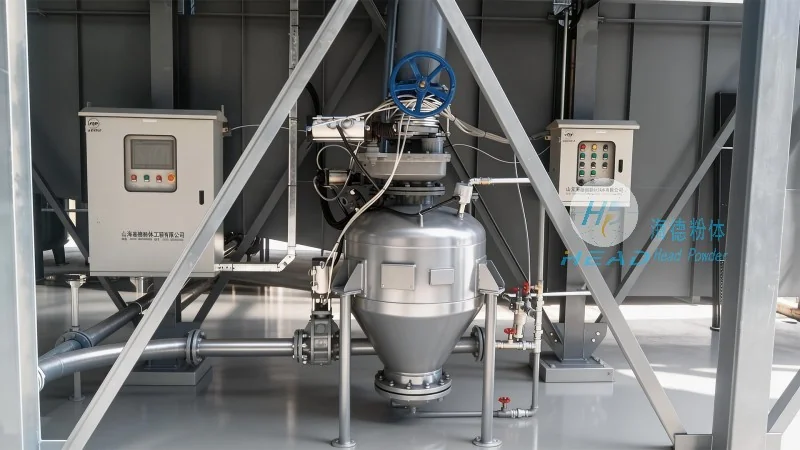
Understanding Pneumatic Conveying Principles
Pneumatic conveying is a method of transporting bulk materials, such as powdered seasonings, through a pipeline using a gas stream, typically air. The core principle involves creating a pressure differential within the system to move the material from the source to the destination. There are two primary types of pneumatic conveying systems: positive pressure and negative pressure systems.
In a positive pressure system, air is supplied under pressure at the material feed point, pushing the powder through the pipeline. This approach is often used for long-distance or high-capacity conveying, as it can handle larger volumes and is less prone to blockages compared to negative pressure systems. The system typically includes a blower or compressor to generate the necessary air pressure, a hopper for material storage, and a conveying line with appropriate valves and filters.
Conversely, negative pressure systems draw air and material from the discharge end of the pipeline, creating a vacuum that pulls the powder through the system. This method is generally more suitable for shorter distances and applications where dust control is critical, as the system operates under a lower pressure environment. Both systems rely on the principle of fluidization, where the gas stream creates a suspension of the powder particles, allowing them to be transported efficiently.
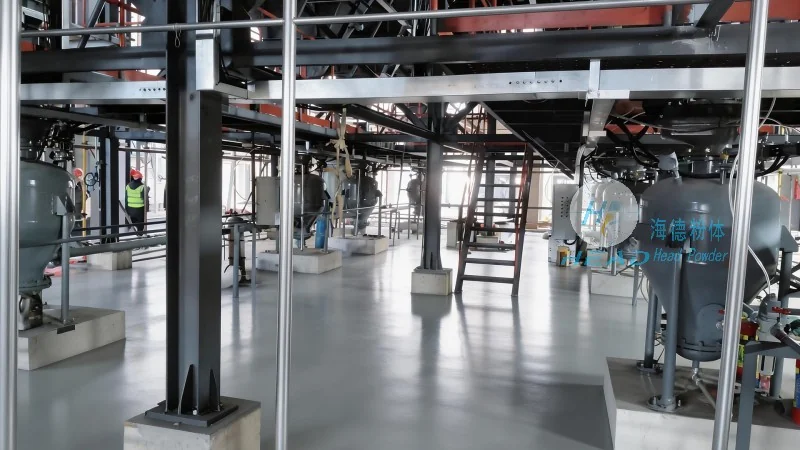
Key Working Scene Characteristics
The application of pneumatic conveying systems in the seasoning industry is defined by several distinct characteristics that optimize material handling and processing. These characteristics are tailored to meet the specific demands of food processing environments, where hygiene, efficiency, and product integrity are paramount.
One of the most significant characteristics is the ability to maintain a closed system, which is essential for preventing contamination and dust dispersion. Pneumatic conveying systems are typically enclosed, with sealed hoppers and pipelines, ensuring that the powdered seasonings remain within the system from the point of origin to the point of use. This feature is particularly important in food processing, where cross-contamination and product safety are top priorities.
Another critical characteristic is the high efficiency in material transport. By using air as the conveying medium, the system can move large quantities of powdered seasonings quickly and with minimal labor. The speed and capacity of pneumatic conveying are significantly higher than traditional methods like manual handling or mechanical conveyors, reducing processing time and increasing overall productivity. This efficiency is especially valuable in large-scale seasoning production facilities where continuous operation is required.
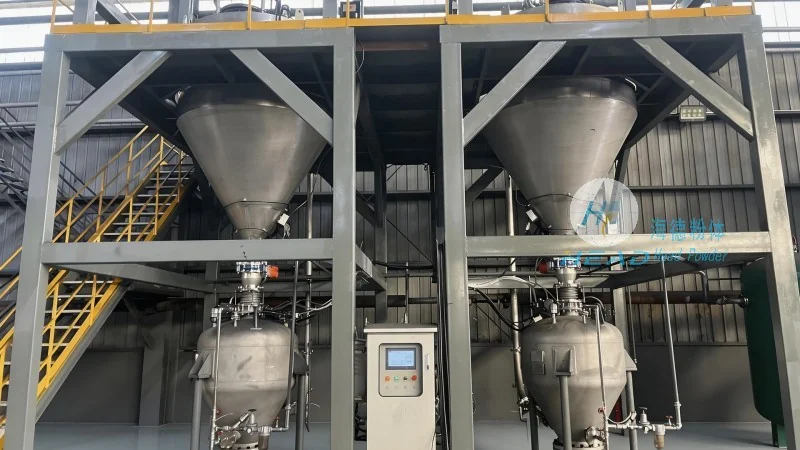
Sanitation and ease of cleaning are also key considerations in working scenes. Pneumatic conveying systems are designed with smooth, non-porous surfaces that are easy to clean and sanitize. The absence of moving parts in the conveying line reduces the risk of product buildup and contamination. Additionally, the system can be equipped with cleaning mechanisms, such as backflushing or reverse flow, to maintain hygiene standards. This is crucial in food processing environments where strict regulatory compliance is required.
Flexibility in system design is another important characteristic. Pneumatic conveying systems can be customized to fit various production layouts and operational needs. They can be integrated with existing equipment, such as mixers, blenders, and packaging lines, to create a seamless material flow. The ability to adjust the conveying rate, pressure, and flow direction allows for adaptability in different production scenarios, from small-scale seasoning preparation to large-scale industrial processing.
Conclusion
HeadPowder Engineering Co., Ltd., based in Shandong, China, leverages these principles and characteristics to deliver tailored pneumatic conveying solutions for the seasoning industry. By understanding the fundamental mechanics of pneumatic conveying and the specific requirements of working scenes, the company ensures that its systems are efficient, hygienic, and reliable. The application of these systems not only enhances the productivity of seasoning production but also upholds the highest standards of food safety and quality control.