Bean pneumatic conveying is a critical process in the agricultural and food processing industries, particularly for handling bulk materials like beans efficiently. This method involves transporting dry or semi-dry beans using air as the conveying medium, which is essential for maintaining product quality and operational efficiency. The technology has evolved significantly over the years, offering solutions that are both effective and adaptable to various production environments.
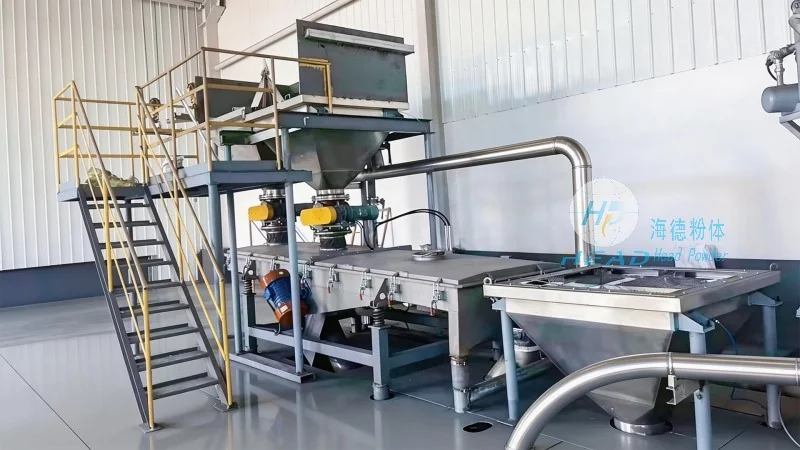
The Core Principles of Pneumatic Conveying
At its essence, pneumatic conveying of beans operates on the principle of using air pressure or vacuum to move materials through a pipeline system. The process typically involves a hopper or feeder that feeds the beans into a conveying line, where they are suspended and transported by the moving air. There are two main types of pneumatic conveying systems: pressure and vacuum. Pressure systems use positive pressure to push the material forward, while vacuum systems use negative pressure to pull it. For beans, which are relatively light and have a certain density, both systems can be effective, but the choice depends on factors such as the distance to be covered, the volume of material, and the need for gentle handling to avoid damage.
Key Components of a Bean Pneumatic Conveying System
A typical bean pneumatic conveying system consists of several key components that work in tandem to ensure smooth operation. These include a hopper or storage bin for holding the beans, a feeder or rotary valve to control the flow rate, a conveying line (usually made of stainless steel or other corrosion-resistant materials to prevent contamination), a fan or blower to generate the air flow, and a separator or cyclone to separate the beans from the air at the end of the line. Each component plays a crucial role in maintaining the integrity of the beans and the efficiency of the system. For example, the feeder ensures a consistent flow, preventing blockages or uneven distribution, while the separator effectively removes the beans from the air stream, allowing the air to be recycled or vented safely.
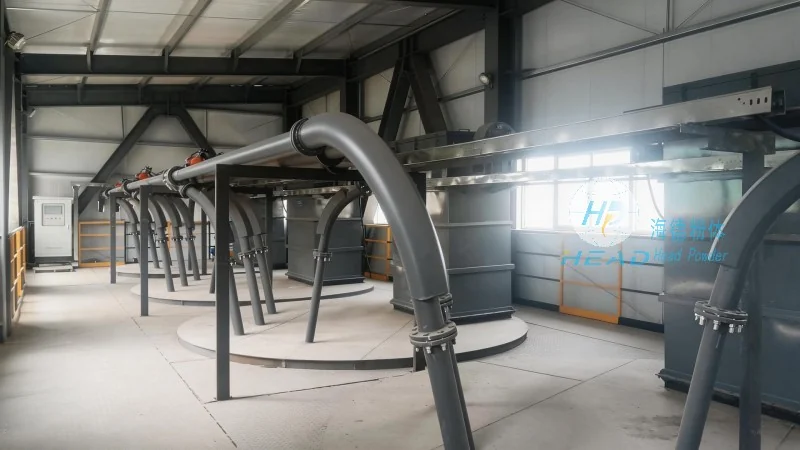
Working Scene Characteristics: Industrial Applications
The working scene characteristics of bean pneumatic conveying systems are tailored to meet the specific needs of different industrial applications. In processing facilities, these systems are commonly used for transporting beans from storage to processing equipment, such as hullers, cleaners, or roasters. The ability to handle large volumes of beans quickly and with minimal human intervention makes this method ideal for high-throughput operations. Additionally, the gentle handling of beans during transport helps preserve their quality, which is particularly important for products that will be further processed or sold as whole beans. For example, in a bean processing plant, a pneumatic conveying system can transport beans from a silo to a cleaning machine, ensuring that the beans are free from debris and foreign materials before further processing.
Working Scene Characteristics: Agricultural and Storage Applications
Beyond industrial processing, pneumatic conveying systems are also used in agricultural and storage settings. In farms or storage facilities, these systems can be used to move beans from storage bins to trucks or other transport vehicles, facilitating efficient loading and unloading. The use of pneumatic conveying in these settings reduces the need for manual labor and minimizes the risk of contamination or damage during handling. For instance, a farmer may use a pneumatic conveyor to transfer harvested beans from a field bin to a storage silo, ensuring that the beans are kept in good condition until they are ready for processing or sale. The system's ability to handle bulk materials efficiently makes it a valuable tool for both large-scale agricultural operations and smaller farms looking to improve their handling processes.
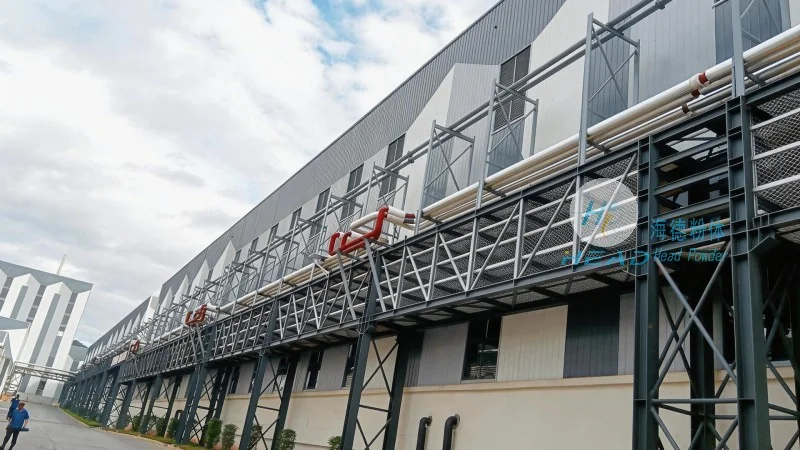
Advantages of Using Pneumatic Conveying for Beans
There are several advantages to using pneumatic conveying systems for beans. One of the primary benefits is the ability to handle bulk materials with minimal equipment and space. Unlike traditional methods such as bucket elevators or belt conveyors, pneumatic systems require less floor space and can be installed in a variety of configurations, including vertical, horizontal, or a combination of both. This makes them ideal for facilities with limited space or where flexibility is needed. Another advantage is the gentle handling of the beans, which helps preserve their quality and reduces the risk of breakage or damage. This is particularly important for high-value beans or those that will be used in food products where appearance and texture are critical. Additionally, pneumatic conveying systems are generally more hygienic and easier to clean than other types of conveying equipment, which is essential in food processing environments where sanitation is a top priority.
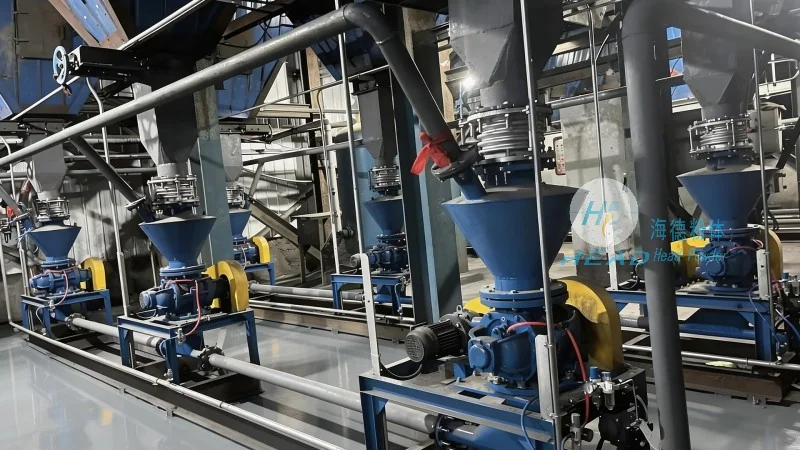
Challenges and Considerations in Bean Pneumatic Conveying
While pneumatic conveying offers many benefits, there are also challenges and considerations that need to be addressed. One of the main challenges is the potential for material buildup or blockages in the conveying line, especially if the beans are sticky or have a high moisture content. To prevent this, systems often include features such as air knives or vibrators to keep the material moving and prevent clogs. Another consideration is the energy consumption of the system, as the fan or blower required to generate the air flow can be a significant cost factor. However, advances in technology have led to more energy-efficient systems that can help reduce operating costs. Additionally, the selection of the appropriate conveying system (pressure vs. vacuum) depends on the specific application and the characteristics of the beans, as different systems may be better suited for different distances or material types.
Conclusion: The Role of Pneumatic Conveying in Bean Handling
Bean pneumatic conveying is a vital technology in the agricultural and food processing industries, offering efficient, gentle, and hygienic methods for handling bulk materials. By understanding the principles and working scene characteristics of these systems, businesses can optimize their operations and improve product quality. As technology continues to advance, we can expect to see further improvements in pneumatic conveying systems, making them even more effective and adaptable to the changing needs of the industry. For companies like Shandong HeadPowder Engineering Co., Ltd., which specializes in engineering solutions for material handling, pneumatic conveying systems are a key part of their product offerings, helping clients achieve efficient and reliable bean handling processes.




