Understanding the working principle and characteristics of pneumatic conveying systems is crucial for pharmaceutical manufacturers dealing with granular materials. This article provides a detailed overview of how these systems operate and their key attributes, tailored for the specific needs of the pharmaceutical industry.
Introduction to Pneumatic Conveying for Pharmaceutical Granular Materials
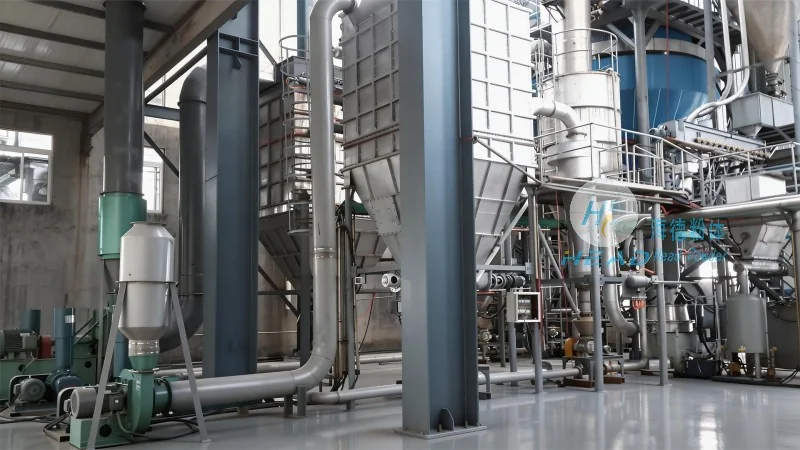
Pneumatic conveying, also known as pneumatic transport, is a method used to move bulk materials like pharmaceutical granules through a pipeline using air or other gas as the conveying medium. This technology is widely adopted in the pharmaceutical sector due to its ability to handle sensitive materials with precision and maintain stringent hygiene standards. The system involves a series of components that work in tandem to ensure efficient and safe material transport.
The Working Principle of Pneumatic Conveying Systems
The core working principle of a pneumatic conveying system involves creating a pressure differential to move material through a pipeline. There are two primary types of pneumatic conveying systems: pressure and vacuum. In pressure systems, compressed air is used to push material from a source to a destination, while vacuum systems use a vacuum to pull material from a source to a collection point. For pharmaceutical applications, pressure systems are more commonly used as they offer better control over material flow and can handle a wider range of particle sizes and densities.
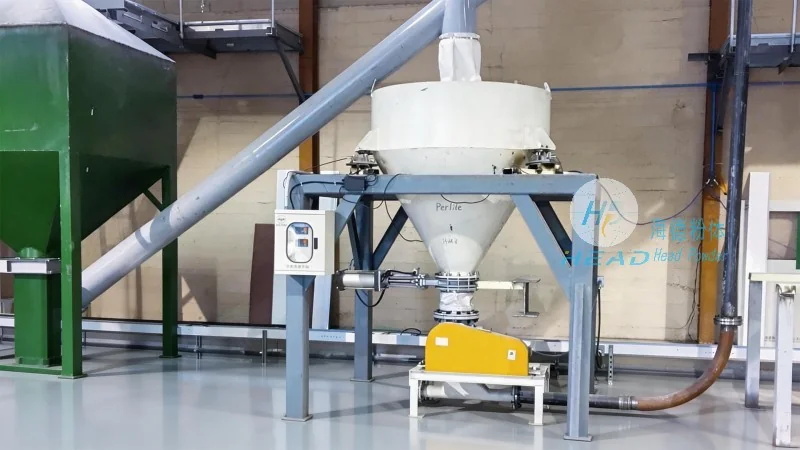
Key components of a typical pressure pneumatic conveying system include a hopper for material storage, a rotary valve to control material feed, a conveying line (usually made of stainless steel to meet GMP standards), a venturi or eductor to accelerate the material-air mixture, and a receiver for the discharged material. The system operates by first charging the hopper with the pharmaceutical granules. The rotary valve then regulates the flow of material into the conveying line. Compressed air is introduced at the venturi, creating a low-pressure zone that draws the material into the air stream. The mixture of air and material is then transported through the pipeline to the receiver, where the material is separated from the air and collected.
Key Characteristics of Pneumatic Conveying for Pharmaceutical Granular Materials
Several distinct characteristics make pneumatic conveying an ideal choice for pharmaceutical granular materials. Firstly, it offers a closed system, which is essential for maintaining product integrity and preventing contamination from external sources. This is particularly important in pharmaceutical manufacturing, where product purity and sterility are non-negotiable. Secondly, the system allows for precise control over material flow rates and pressure, ensuring consistent and reliable transport. This control is vital for maintaining batch consistency and meeting regulatory requirements.
Another significant characteristic is the ability to handle a wide range of particle sizes and shapes. Pharmaceutical granules can vary significantly in size and density, and pneumatic conveying systems are designed to accommodate these variations without causing blockages or degradation of the material. The system's flexibility also allows for integration with other processing equipment, such as mixers, dryers, and packaging machines, creating a seamless production line.
Hygiene and safety are also critical characteristics of pneumatic conveying systems used in pharmaceutical applications. The use of stainless steel components and sealed systems ensures that the material remains free from contaminants. Additionally, the system can be designed to meet Good Manufacturing Practice (GMP) standards, which are mandatory for pharmaceutical production. This includes features like easy cleaning, minimal dead space, and the ability to handle sterile materials if required.
Applications and Benefits in Pharmaceutical Manufacturing
Pneumatic conveying systems are widely used in various stages of pharmaceutical manufacturing, from raw material handling to final product packaging. In the raw material stage, these systems can transport granules from storage silos to processing equipment, ensuring a continuous and controlled supply of materials. During the manufacturing process, pneumatic conveying can be used to move materials between different processing units, such as from a mixer to a dryer or from a dryer to a packaging machine. This integration improves overall production efficiency and reduces downtime.
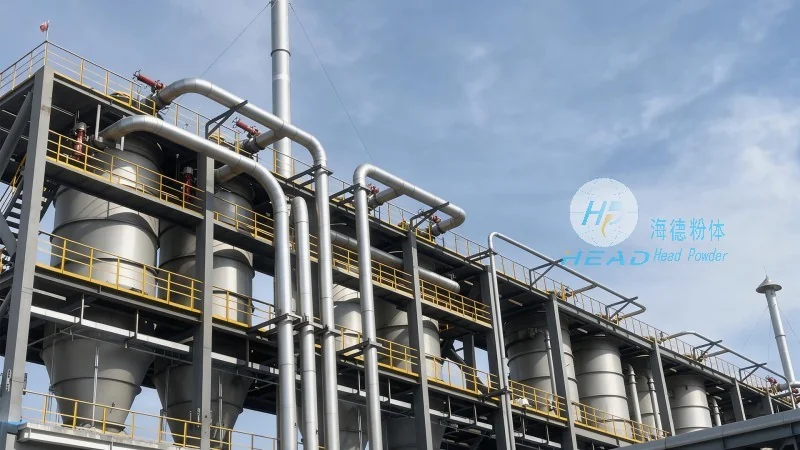
The benefits of using pneumatic conveying in pharmaceutical manufacturing extend beyond just material transport. By maintaining a closed system, it reduces the risk of cross-contamination between different batches of products. The precise control over flow rates also helps in maintaining consistent product quality, which is essential for meeting regulatory standards and ensuring patient safety. Furthermore, the system's ability to handle various particle sizes and shapes makes it versatile for different types of pharmaceutical products, including powders, granules, and even some liquid-liquid mixtures.
Conclusion and Company Overview
Pneumatic conveying systems are a vital technology in the pharmaceutical industry, offering efficient, hygienic, and reliable transport of granular materials. The working principle, which relies on pressure differentials and a closed system, ensures that pharmaceutical products are handled with the highest standards of quality and safety. The key characteristics of these systems, including their ability to maintain product integrity, handle diverse materials, and meet GMP requirements, make them an indispensable part of modern pharmaceutical manufacturing.
Shandong HeadPowder Engineering Co., Ltd., a leading provider of pneumatic conveying solutions, specializes in designing and manufacturing systems tailored to the specific needs of the pharmaceutical industry. With a focus on quality, innovation, and compliance, HeadPowder offers a range of pneumatic conveying systems that enhance production efficiency and ensure product safety. HeadPowder's systems are engineered to meet the stringent requirements of pharmaceutical manufacturing, providing reliable and effective material transport solutions. Based in Shandong, China, HeadPowder leverages its expertise and experience to deliver high-quality pneumatic conveying systems that meet the evolving needs of the pharmaceutical sector.




