

Working Principle and Characteristics of Pneumatic Conveying for Sweet Potato Starch Materials
HeadPowder, a leading engineering firm based in Shandong, China, specializes in the design and implementation of pneumatic conveying systems tailored for handling sweet potato starch materials. This article delves into the fundamental working principles and key characteristics of such systems, providing a comprehensive overview for industry professionals and potential clients.
Company Background: HeadPowder Engineering
Shandong HeadPowder Engineering Co., Ltd. is a reputable company dedicated to providing advanced material handling solutions. With a focus on efficiency and reliability, HeadPowder has established itself as a trusted partner in the starch processing industry. The company’s headquarters is located in Shandong, China, where it leverages local expertise and resources to deliver high-quality engineering services.
The Working Principle of Pneumatic Conveying for Sweet Potato Starch
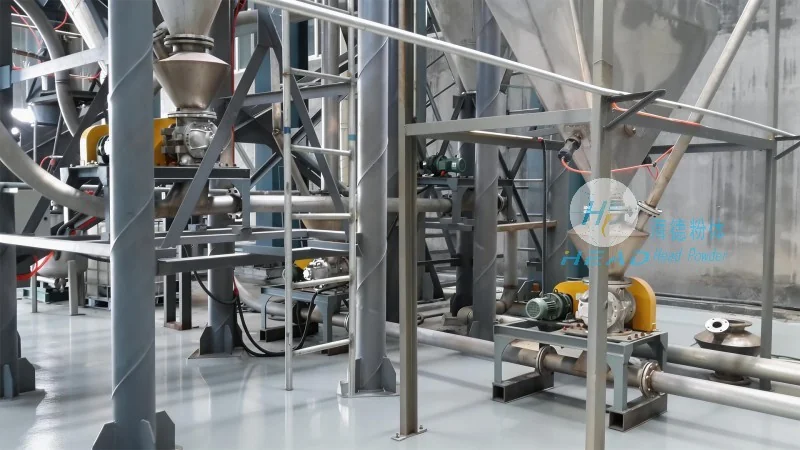
Pneumatic conveying systems operate by transporting bulk materials, such as sweet potato starch, through a pipeline using air or gas as the conveying medium. The process typically involves several key components, including a hopper for material storage, a feeder to control the flow rate, a conveyor line (often equipped with a venturi or rotary valve), and a receiver for the discharged material. The system works by creating a pressure differential between the inlet and outlet of the conveyor line. When air is introduced into the system, it draws the starch particles into the pipeline, where they are carried along by the moving air stream. The velocity of the air is carefully controlled to ensure that the particles remain suspended and are transported efficiently without causing blockages or excessive wear on the system components.
Key Characteristics of Pneumatic Conveying for Sweet Potato Starch
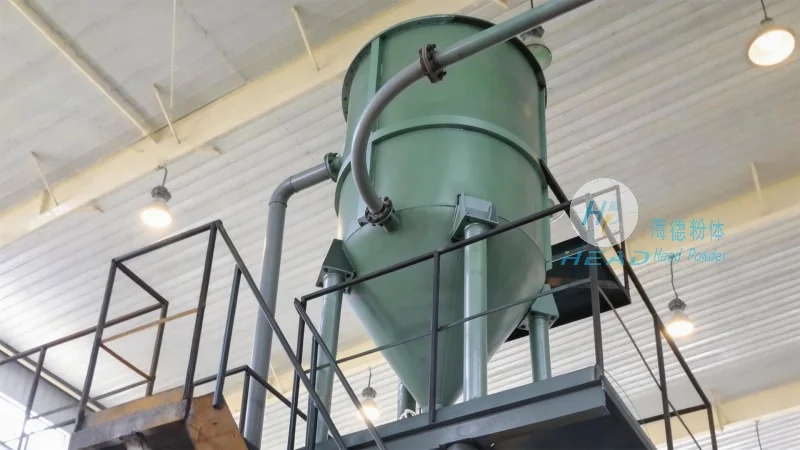
Several distinct characteristics define the performance of pneumatic conveying systems for sweet potato starch materials. Firstly, the system offers a high degree of flexibility in terms of layout and installation. Unlike traditional mechanical conveyors, pneumatic systems can be configured to follow complex routes, making them suitable for facilities with limited space or irregular layouts. Secondly, the process is gentle on the material, minimizing the risk of degradation or damage to the starch particles. This is particularly important for sweet potato starch, which is often used in food and pharmaceutical applications where product quality is critical. Thirdly, pneumatic conveying systems provide excellent dust control, as the material is contained within the pipeline and the air is filtered before release. This helps to maintain a clean and safe working environment, reducing the risk of respiratory issues or contamination. Additionally, the systems are relatively easy to maintain and operate, with automated controls that can be integrated with existing production lines. This reduces downtime and increases overall operational efficiency.
Advantages and Considerations in Implementing Pneumatic Conveying
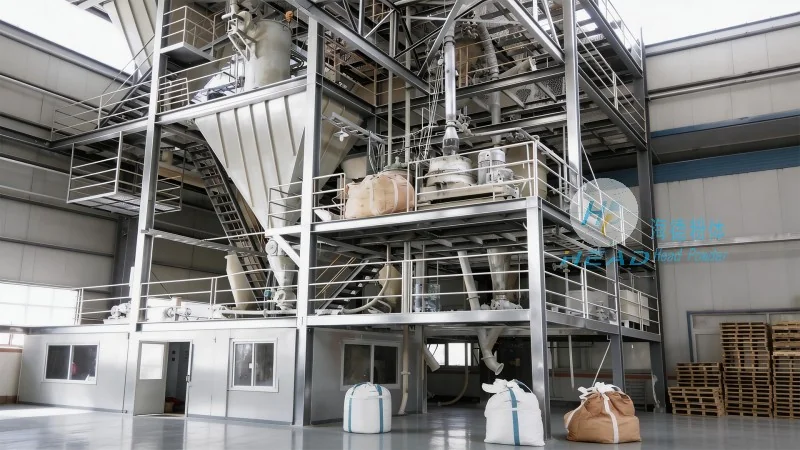
When considering the implementation of a pneumatic conveying system for sweet potato starch, several advantages and considerations must be taken into account. The primary advantage is the ability to handle a wide range of material properties, including fine powders like sweet potato starch, without the need for additional processing steps. The system also offers a high degree of scalability, allowing for adjustments in capacity as production needs change. However, there are also some considerations to keep in mind. For example, the initial investment cost for a pneumatic conveying system can be higher than that of traditional mechanical conveyors. Additionally, the system requires a reliable source of compressed air, which may increase operational costs. Furthermore, the design of the system must be carefully optimized to prevent material buildup or blockages, as these can lead to system failures and downtime.
Conclusion
HeadPowder Engineering provides comprehensive solutions for pneumatic conveying systems tailored to the unique needs of sweet potato starch processing. By understanding the working principles and characteristics of these systems, manufacturers can make informed decisions about the most suitable material handling technology for their operations. With a focus on efficiency, reliability, and product quality, HeadPowder continues to deliver innovative solutions that meet the evolving demands of the starch processing industry.