Calcium hydroxide, commonly known as slaked lime, is a widely used industrial material with applications in construction, chemical processing, and environmental remediation. Efficient material handling is crucial for industries dealing with calcium hydroxide, as its physical properties—such as its tendency to agglomerate or generate dust—can pose challenges during transportation. Pneumatic conveying offers a reliable solution to address these challenges, enabling safe and effective transport of calcium hydroxide from storage to processing or packaging areas. This article explores the working principle and key characteristics of pneumatic conveying systems designed for calcium hydroxide materials, with a focus on the expertise of Shandong HeadPowder Engineering Co., Ltd.
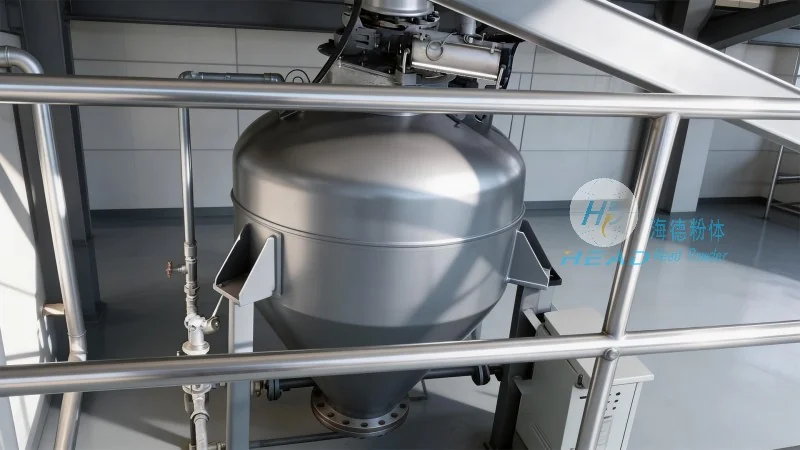
Working Principle of Pneumatic Conveying for Calcium Hydroxide
The core of pneumatic conveying for calcium hydroxide involves the use of a gas stream (typically air) to transport solid particles through a pipeline. The system operates on the principle of creating a pressure differential between the inlet and outlet of the conveying line. There are two primary modes of pneumatic conveying: positive pressure and negative pressure (or vacuum) systems.
In a positive pressure system, compressed air is introduced at the material feed point, creating a pressure higher than the ambient air pressure. This pressure forces the calcium hydroxide particles into the pipeline, where they are carried by the air stream to the discharge point. The air velocity within the pipeline must be sufficient to overcome the particle's weight and friction, ensuring stable transport without clogging. For calcium hydroxide, which can be abrasive or prone to dust generation, the air velocity is carefully controlled to prevent material degradation and equipment wear.
In a negative pressure (vacuum) system, a vacuum is created at the discharge end of the pipeline, drawing air and calcium hydroxide particles from the feed point. This method is often preferred for applications requiring dust-free environments or when the material needs to be transported over longer distances with minimal pressure drop. The vacuum system relies on a fan or blower to maintain the pressure differential, ensuring consistent material flow. Both systems require precise control of air flow rate and pressure to optimize conveying efficiency and protect the equipment from damage.
Key Characteristics of Pneumatic Conveying for Calcium Hydroxide
When applied to calcium hydroxide, pneumatic conveying systems exhibit several distinct characteristics that make them suitable for this material's handling needs:
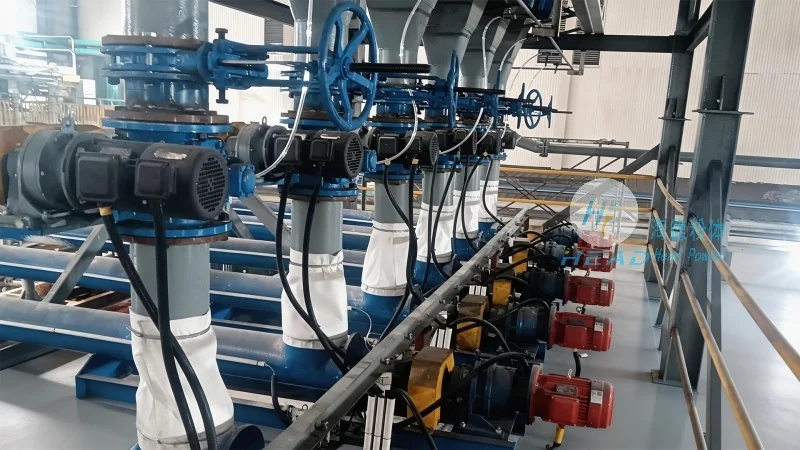
1. Efficiency and Capacity: Pneumatic conveying can handle large volumes of calcium hydroxide with high throughput, making it ideal for industrial-scale operations. The system's ability to transport material over long distances without intermediate storage or manual handling reduces operational costs and improves overall productivity.
2. Environmental Benefits: Unlike traditional bulk handling methods (such as belt conveyors or bucket elevators), pneumatic conveying minimizes dust emissions and noise pollution. This is particularly important for calcium hydroxide, which can generate fine particles that are hazardous to human health and the environment. The enclosed pipeline design ensures that the material remains contained during transport, adhering to environmental regulations and promoting workplace safety.
3. Flexibility and Adaptability: Pneumatic conveying systems can be configured to handle varying particle sizes and moisture content of calcium hydroxide. The air velocity and pressure can be adjusted to accommodate different material characteristics, ensuring stable transport even with changes in feed rate or material consistency. This flexibility allows the system to be integrated into existing production lines or customized for new applications.
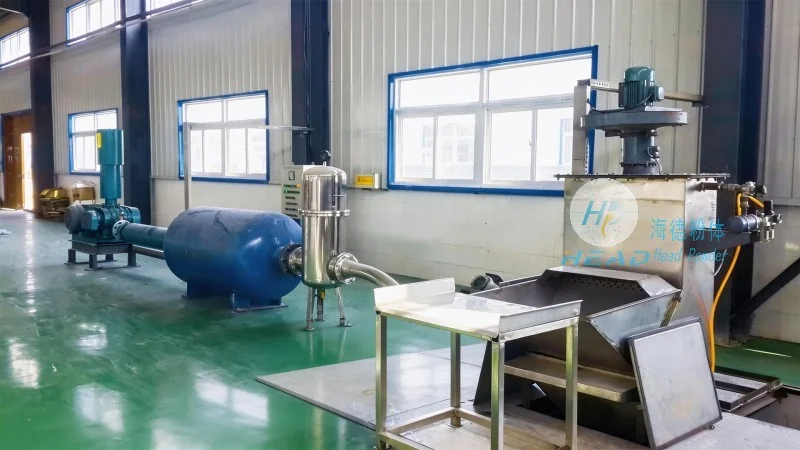
4. Reduced Maintenance and Downtime: Compared to mechanical conveying systems (such as screw conveyors or chain conveyors), pneumatic conveying systems have fewer moving parts, which reduces the risk of mechanical failure and lowers maintenance requirements. The absence of direct contact between the material and the conveying equipment also minimizes wear and tear, extending the lifespan of the system and reducing downtime for repairs.
Expertise of Shandong HeadPowder Engineering Co., Ltd. in Pneumatic Conveying Solutions
Shandong HeadPowder Engineering Co., Ltd., operating under the brand name headpowder, specializes in designing and manufacturing customized pneumatic conveying systems tailored to the unique needs of calcium hydroxide and other industrial materials. With years of experience in the field, the company has developed a deep understanding of the challenges associated with handling calcium hydroxide, including its tendency to agglomerate, generate dust, or cause equipment corrosion.
The company's engineers work closely with clients to assess their specific requirements, such as material flow rates, distance to be covered, and environmental constraints, before designing a pneumatic conveying system. They consider factors like the particle size distribution, moisture content, and bulk density of the calcium hydroxide to ensure the system operates efficiently and safely. For example, if the calcium hydroxide is prone to dusting, the system may include dust collection and filtration components to maintain air quality and comply with regulations.
HeadPowder's pneumatic conveying systems are built with high-quality materials, such as stainless steel or corrosion-resistant alloys, to withstand the abrasive nature of calcium hydroxide and prevent material buildup. The company also provides comprehensive after-sales support, including installation, commissioning, and maintenance services, to ensure the system operates at peak performance throughout its lifecycle. By leveraging their expertise in material handling and pneumatic technology, headpowder helps industries improve their calcium hydroxide processing efficiency while reducing operational costs and environmental impact.




