Shandong HeadPowder Engineering Co., Ltd., a leading provider in the field of material handling solutions, specializes in the design, manufacturing, and installation of advanced pneumatic conveying systems. Based in Shandong, China, the company, often referred to as HeadPowder, has established itself as a trusted partner for industries requiring efficient and reliable transport of bulk materials, including iron sand. This article delves into the working principle and key features of iron sand material pneumatic conveying systems, highlighting how these systems enhance operational efficiency and safety in material handling processes.
Working Principle of Iron Sand Material Pneumatic Conveying Systems
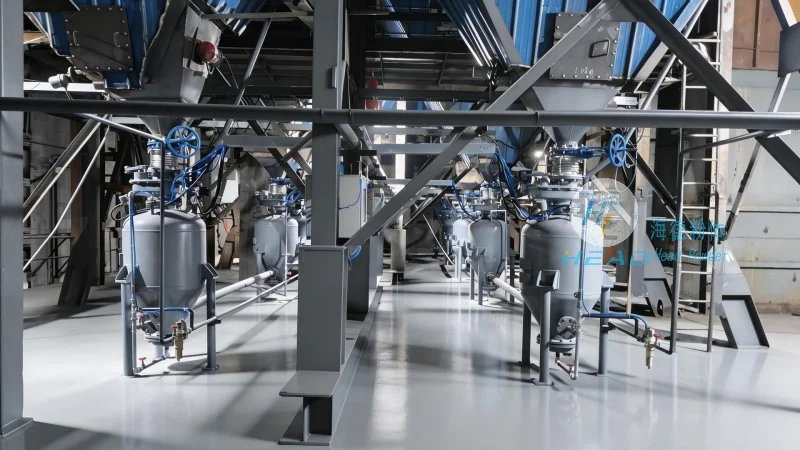
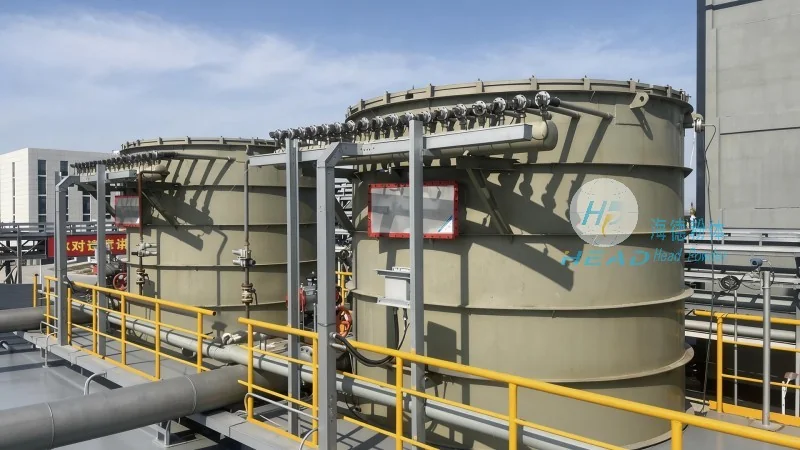
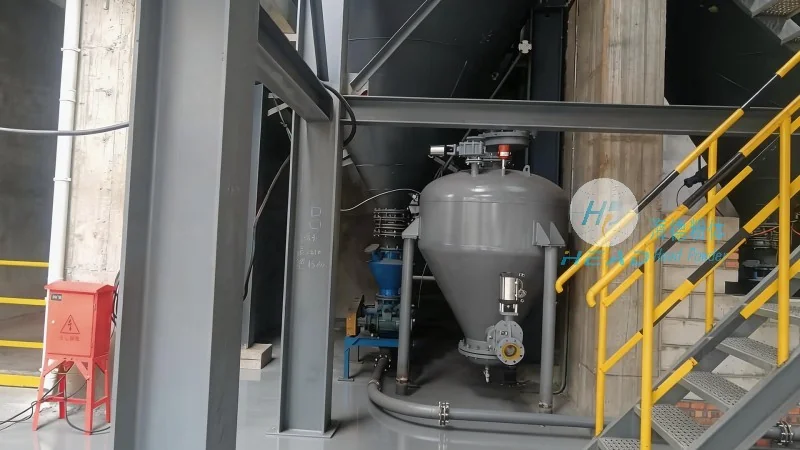
The core of an iron sand material pneumatic conveying system lies in its ability to transport bulk materials through a pipeline using a pressurized or vacuum air stream. The system typically operates by drawing iron sand particles into a hopper or feeder, where they are then accelerated by a high-velocity air flow. This air stream, generated by a positive displacement blower or a rotary lobe pump, propels the iron sand through the pipeline to the destination point, such as a storage silo or processing unit. The process involves several critical components, including a material hopper, a rotary valve feeder, a pressure vessel or vacuum receiver, and a control system. The rotary valve feeder ensures a consistent and controlled flow of iron sand into the system, preventing blockages and maintaining system efficiency. The pressure vessel or vacuum receiver acts as a buffer, regulating the air pressure and ensuring a smooth flow of material. The control system monitors and adjusts the air flow and material feed rate, optimizing the conveying process. The entire system is designed to handle the abrasive nature of iron sand, with components such as wear-resistant liners and high-quality seals to minimize wear and tear, thereby extending the system's lifespan and reducing maintenance costs.
Key Features of Iron Sand Material Pneumatic Conveying Systems
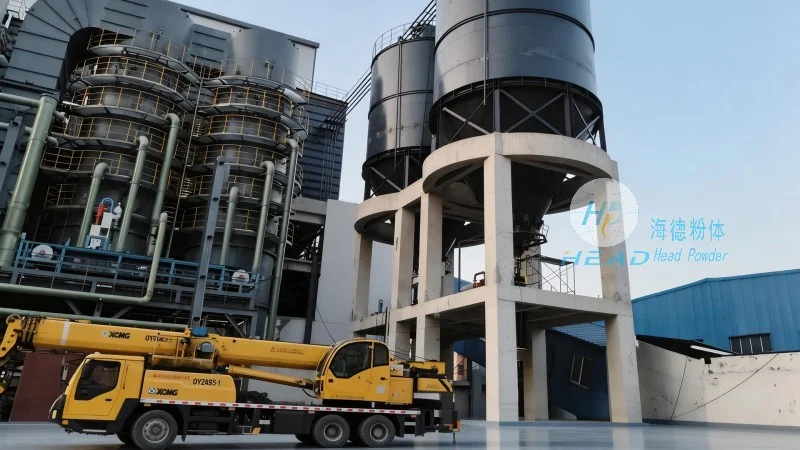
Iron sand material pneumatic conveying systems offer several distinct advantages that make them ideal for industrial applications. One of the primary features is their ability to transport iron sand in a closed system, which significantly reduces dust emissions and improves workplace safety. This is particularly important in environments where dust can pose health risks or interfere with other processes. The closed system also helps maintain the quality of the iron sand, preventing contamination from external sources and ensuring consistent material properties for downstream processes. Another key feature is the system's flexibility in terms of layout and installation. Pneumatic conveying systems can be configured to follow existing plant layouts, with pipelines installed along walls or overhead, minimizing the need for additional floor space. This flexibility allows for easy integration into existing production lines, reducing downtime and installation costs. The systems are also highly efficient in terms of energy consumption. By using a single air stream to transport multiple batches of iron sand, the system minimizes energy waste compared to traditional methods like belt conveyors or bucket elevators. Additionally, the system's ability to handle high volumes of iron sand at a time makes it suitable for large-scale production operations, where throughput is a critical factor. The wear-resistant design of the system components is another notable feature. Iron sand is an abrasive material, and the system is engineered with materials like stainless steel, polyurethane, and ceramic liners to withstand the constant impact and friction. This reduces the frequency of maintenance and replacement, leading to lower operational costs over the long term. Furthermore, the system's control capabilities allow for precise regulation of the conveying process. The control system can adjust the air pressure, feed rate, and pipeline length to optimize the conveying speed and efficiency. This precision ensures that the iron sand is transported at the optimal velocity, minimizing energy consumption and preventing material degradation. The system also includes safety features such as pressure relief valves and emergency shut-off mechanisms, ensuring that the operation is safe and compliant with industrial standards. In summary, the key features of iron sand material pneumatic conveying systems include dust-free operation, flexible installation, energy efficiency, wear resistance, and precise control, making them a superior choice for industries handling iron sand.




