Working Principle and Features of Flour Material Pneumatic Conveying Systems
Release time:2026-09-18 07:01:29
name of the company:Shandong Headpowder Engineering Co., Ltd.
telephone:156-6277-7102
contacts:Zhang manager
HeadPowder, a leading provider of industrial conveying solutions, specializes in the design, manufacturing, and installation of pneumatic conveying systems for flour and other bulk materials. Based in Shandong, China, the company leverages decades of expertise to deliver efficient and reliable systems tailored to the unique demands of the flour processing industry.
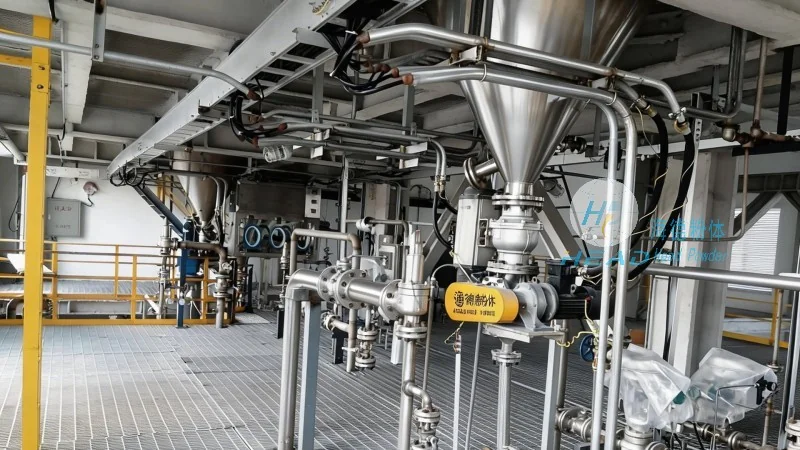
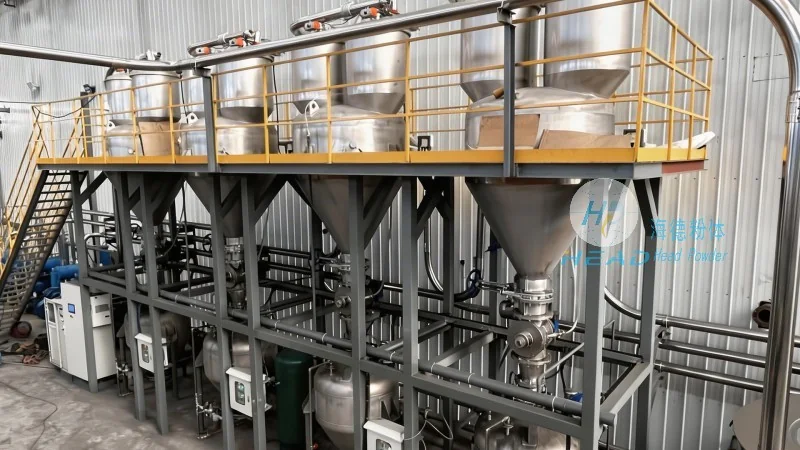
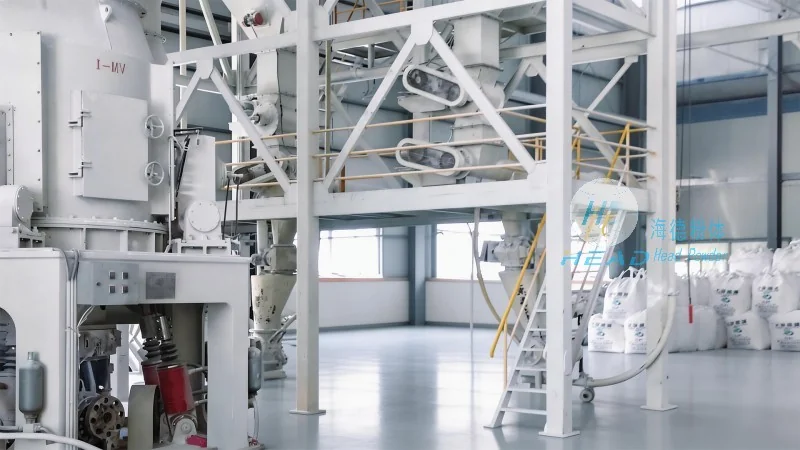
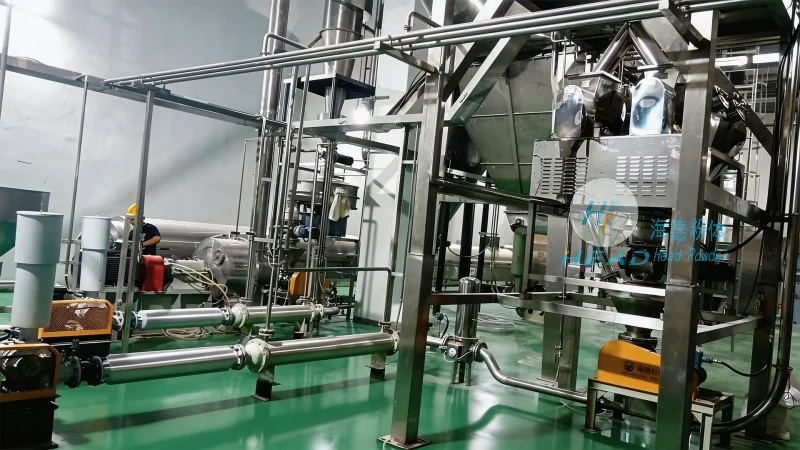
Working Principle of Flour Material Pneumatic Conveying Systems
The core mechanism of a flour material pneumatic conveying system involves the use of air to transport bulk materials through a network of pipes. There are two primary types of pneumatic conveying systems: positive pressure and negative pressure. In positive pressure systems, air is forced into the conveying line, creating a pressure higher than the ambient air, which propels the material forward. The material is typically introduced into the system at the inlet, where it is mixed with the air stream, forming a slurry that travels through the pipeline. Negative pressure systems, on the other hand, create a vacuum at the receiving end, drawing the material and air into the system. This method is often preferred for applications requiring dust control and material containment. The system components, including air blowers, filters, and material feeders, work in tandem to ensure smooth and continuous material transport. The air flow rate and pressure are carefully controlled to maintain optimal conveying efficiency and prevent material degradation or blockages.
Key Features and Advantages of Flour Material Pneumatic Conveying Systems
Flour material pneumatic conveying systems offer several distinct advantages that make them a preferred choice in the flour processing industry. One of the most significant features is their ability to handle fine, powdery materials like flour without causing segregation or degradation. The enclosed system design minimizes dust exposure, enhancing workplace safety and compliance with environmental regulations. Additionally, these systems provide high conveying efficiency, allowing for the rapid and continuous transport of large volumes of material over long distances. The flexibility of pneumatic conveying systems enables easy integration with existing production lines, reducing downtime and installation costs. Another key feature is the system's ability to handle a wide range of material characteristics, including different moisture contents and particle sizes, without requiring extensive modifications. The use of advanced control systems ensures precise regulation of air flow and pressure, optimizing performance and reducing energy consumption. Furthermore, the compact design of modern pneumatic conveying systems allows for efficient use of space in production facilities, making them suitable for both new installations and retrofit applications. The durability and low maintenance requirements of these systems contribute to long-term cost savings and operational reliability.




