

Working Principle and Characteristics of Pneumatic Conveying for Cellulose Materials
HeadPowder, a leading engineering company based in Shandong, China, specializes in the design and implementation of advanced pneumatic conveying systems for various industrial applications, including the efficient handling of cellulose materials. This article explores the fundamental working principles and key characteristics of pneumatic conveying for cellulose materials, providing a comprehensive overview for industry professionals seeking to understand this critical technology.
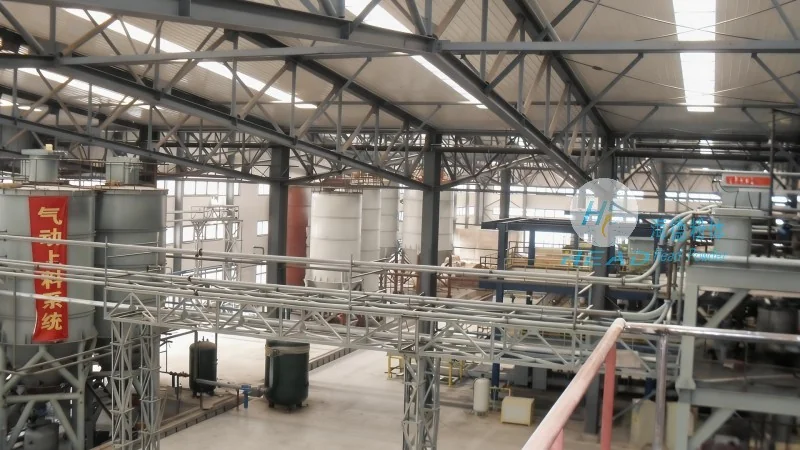
Understanding Pneumatic Conveying Systems
Pneumatic conveying is a method of transporting bulk materials through a pipeline using a stream of pressurized or suctioned air. In the context of cellulose materials, which include substances like wood pulp, paper fibers, and other plant-based fibers, this technology offers a versatile and efficient solution for material handling. The core principle involves creating a flow of air that propels the cellulose particles through the pipeline, eliminating the need for mechanical components such as belts or buckets in traditional conveying systems.
Working Principle of Pneumatic Conveying for Cellulose Materials
The operation of a pneumatic conveying system for cellulose materials typically involves several key steps. First, the cellulose material is introduced into a hopper or feeder, where it is then fed into the conveying pipeline. Simultaneously, a fan or blower generates a flow of air, which can be either positive pressure (blowing air into the pipeline) or negative pressure (suctioning air from the pipeline). The air flow creates a drag force on the cellulose particles, lifting them and moving them along the pipeline. The system may include components such as cyclones or filters to separate the material from the air stream at the receiving end, ensuring that the material is deposited in the desired location without contamination.
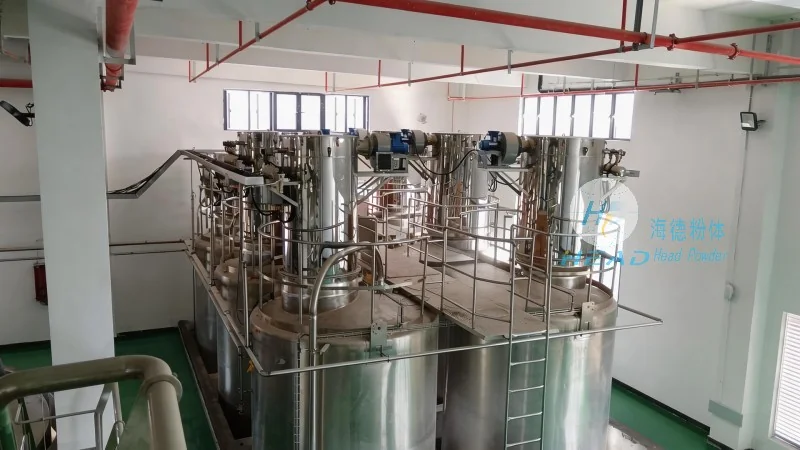
Key Characteristics of Pneumatic Conveying for Cellulose Materials
Several distinct characteristics make pneumatic conveying an attractive option for handling cellulose materials. Firstly, it offers high efficiency in terms of material transport, as the system can move large volumes of material over long distances with minimal energy consumption compared to other methods. Secondly, it provides a clean and hygienic environment, as the material is contained within the pipeline, reducing dust and contamination risks. Thirdly, the system is flexible and adaptable, allowing for changes in material flow rates and pipeline configurations without significant modifications. Additionally, pneumatic conveying systems are relatively low in maintenance, as they have fewer moving parts compared to mechanical conveying systems, which contributes to lower operational costs over time.
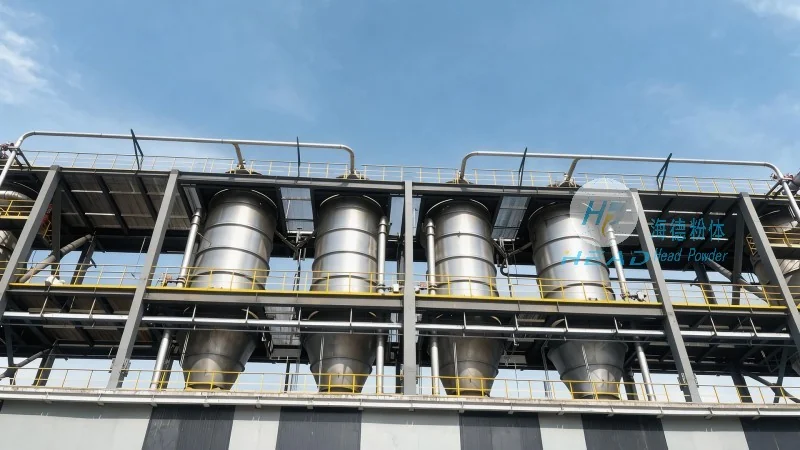
Advantages and Applications in Industrial Settings
The advantages of pneumatic conveying for cellulose materials extend to various industrial applications. In the paper and pulp industry, for example, these systems are used to transport wood chips, pulp, and other raw materials from storage to processing facilities. In the manufacturing of cellulose-based products, such as paper or fiberboard, pneumatic conveying ensures a consistent and reliable supply of raw materials, enhancing production efficiency. The technology also finds applications in recycling facilities, where it helps in the recovery and transport of cellulose waste materials, supporting sustainable industrial practices.
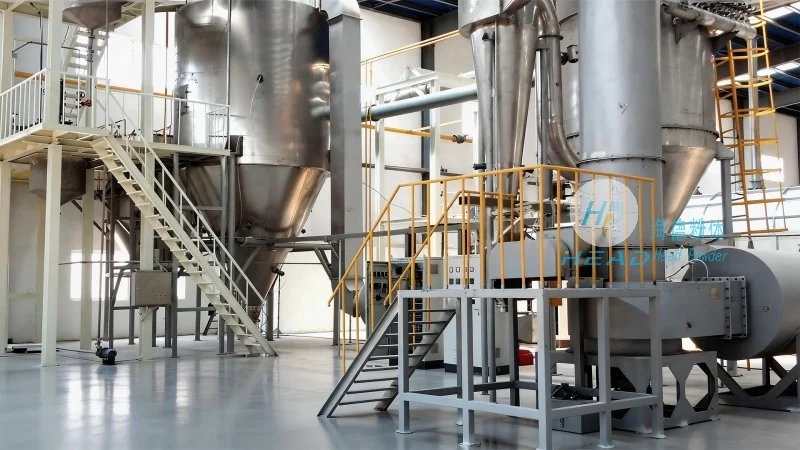
Considerations for System Design and Implementation
When designing a pneumatic conveying system for cellulose materials, several factors must be considered to ensure optimal performance. The particle size and density of the cellulose material are critical, as they affect the air velocity required for effective transport. The pipeline diameter and length also play a significant role, as they determine the pressure drop and energy consumption of the system. Additionally, the system must be equipped with appropriate filtration and separation equipment to prevent material buildup and maintain air quality. HeadPowder, with its expertise in engineering, provides tailored solutions that address these considerations, ensuring that the pneumatic conveying system meets the specific needs of each client.
Conclusion
Pneumatic conveying for cellulose materials represents a sophisticated and efficient technology that addresses the challenges of material handling in industrial settings. By leveraging the principles of air flow and particle transport, these systems offer advantages such as high efficiency, cleanliness, and flexibility. As a leading provider in the field, HeadPowder continues to innovate and deliver reliable pneumatic conveying solutions that support the operational needs of industries relying on cellulose materials. With its headquarters in Shandong, China, HeadPowder remains committed to advancing the technology and providing expert support to its clients worldwide.