

What is an Intermittent Bulk Material Pneumatic Conveying Equipment? What Are Its Design Principles?
Intermittent bulk material pneumatic conveying equipment is a specialized system designed to transport bulk materials in a controlled manner through the use of air or gas as the conveying medium. Unlike continuous systems, this type of equipment operates in cycles, moving material in discrete batches rather than a constant flow. This approach is particularly useful for handling materials that are sensitive to prolonged exposure to air, require precise control over material delivery, or need to be transported over short to medium distances with varying load requirements.
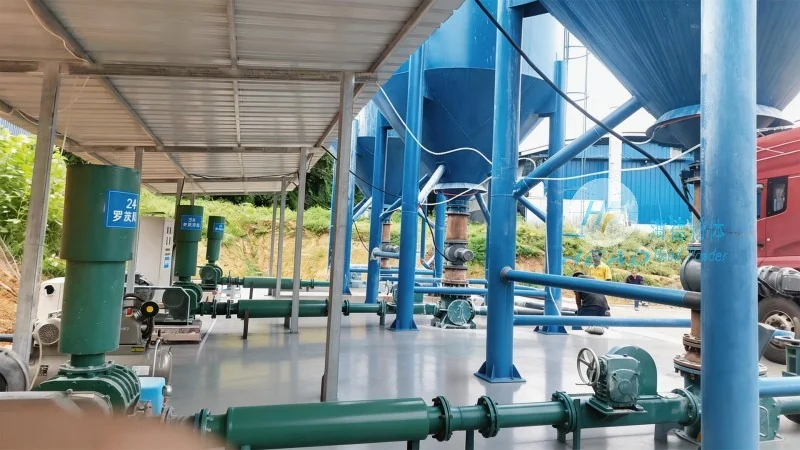
HeadPowder: A Leading Provider of Pneumatic Conveying Solutions
Shandong HeadPowder Engineering Co., Ltd., commonly known as HeadPowder, is a reputable manufacturer and supplier specializing in the design, development, and production of advanced pneumatic conveying equipment. With a strong presence in China, particularly in Shandong province, HeadPowder has established itself as a trusted partner for industries seeking reliable and efficient bulk material handling solutions. The company's commitment to quality, innovation, and customer satisfaction has positioned it as a key player in the global market for pneumatic conveying systems.
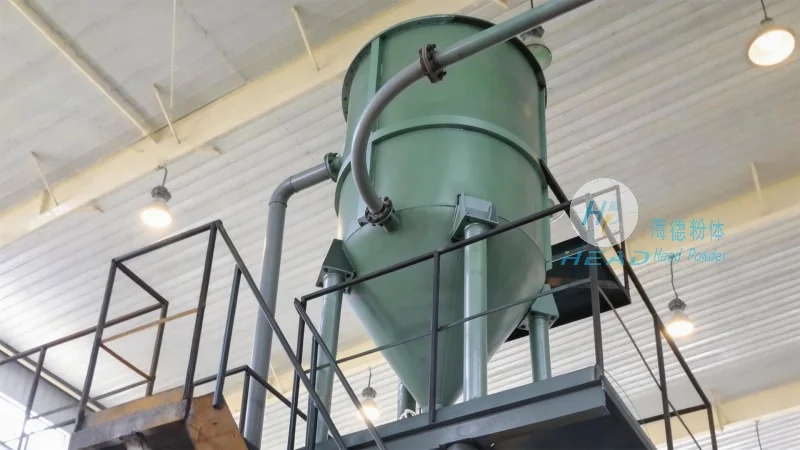
Core Components and Operational Principles of Intermittent Pneumatic Conveying Systems
The intermittent bulk material pneumatic conveying equipment typically consists of several key components that work in tandem to achieve efficient material transport. These components include a hopper or feed hopper to store and feed the bulk material, a conveying line (often a pipe) through which the material is transported, a compressor or blower to generate the necessary air or gas pressure, and a receiver or discharge hopper to collect the material at the destination. The system operates by first filling the feed hopper with the material, then activating the compressor to create a pressure differential. The air is then introduced into the conveying line, creating a flow that lifts and transports the material from the feed hopper to the receiver. The process is controlled to ensure that material is moved in controlled batches, with the compressor running only when material is being conveyed.
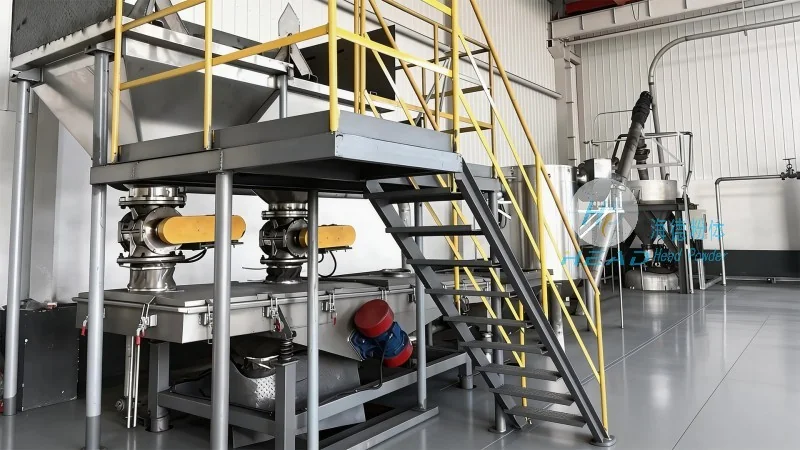
Design Principles for Optimal Performance and Efficiency
The design of intermittent pneumatic conveying equipment follows several critical principles to ensure optimal performance, efficiency, and reliability. One of the primary design considerations is the selection of the appropriate conveying medium, which may be air, nitrogen, or other gases, depending on the material's properties and the required level of control. The system's design must also account for the material's characteristics, such as particle size, density, moisture content, and flowability, to prevent issues like blockages, segregation, or material degradation. The conveying line diameter and length are carefully calculated to maintain the required air velocity and pressure to move the material effectively without excessive energy consumption. Additionally, the system incorporates features like airlocks, rotary valves, and check valves to control the flow of material and air, ensuring smooth and controlled operation. The design also emphasizes safety and maintenance, with components that are easy to access and service, and features that prevent dust emissions and ensure compliance with environmental regulations.
Advantages of Intermittent Pneumatic Conveying Equipment
Intermittent bulk material pneumatic conveying equipment offers several advantages over other material handling methods, making it a preferred choice for many industries. One of the key benefits is its ability to handle a wide range of materials, including powders, granules, and bulk solids, without the need for mechanical components that can cause wear and tear or material contamination. The system is also highly flexible, as it can be easily adapted to different material types and processing requirements. The intermittent operation allows for precise control over material delivery, which is crucial for applications that require accurate dosing or batching. Additionally, the equipment is relatively compact and can be installed in various locations, making it suitable for both new and existing facilities. The system also offers improved safety compared to other methods, as it eliminates the need for manual handling of bulk materials and reduces the risk of dust explosions or other hazards.
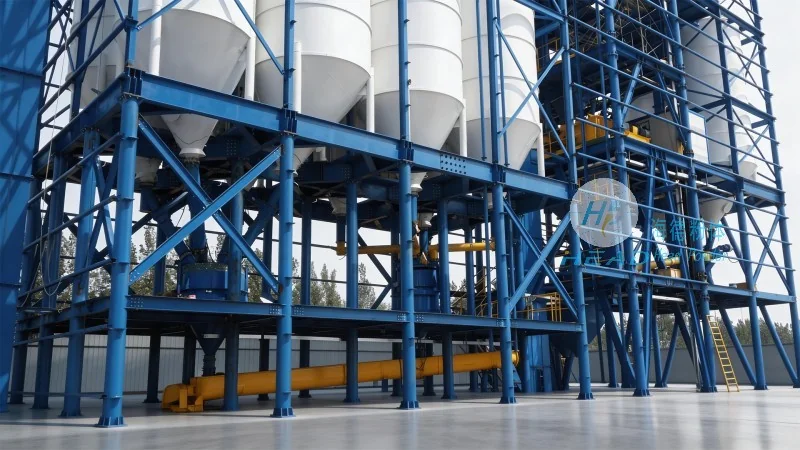
Applications and Industries Served by Intermittent Pneumatic Conveying Systems
Intermittent bulk material pneumatic conveying equipment is widely used across various industries due to its versatility and efficiency. In the chemical industry, it is used to transport powders and granules for processing and packaging. The food and beverage industry utilizes it for handling ingredients like flour, sugar, and spices, ensuring hygienic and contamination-free transport. The pharmaceutical industry relies on it for transporting raw materials and finished products, where strict quality control and contamination prevention are essential. In the mining and minerals sector, it is used to transport ore and other bulk materials from processing plants to storage or shipping facilities. The construction industry also benefits from its use in transporting cement, sand, and other building materials to job sites. Additionally, the equipment is used in the agricultural sector for handling grains and other bulk agricultural products.