

What is a Melamine Powder Material Pneumatic Conveying System? What are the Design Principles?
For industrial operations dealing with melamine powder, efficient material handling is crucial. This article explores the concept of a melamine powder material pneumatic conveying system and its underlying design principles, highlighting the technology's importance in modern manufacturing processes.
Introduction to Melamine Powder Pneumatic Conveying Systems
HeadPowder, a leading engineering company based in Shandong, China, specializes in providing advanced material handling solutions. The company's expertise lies in designing and implementing pneumatic conveying systems tailored for various industrial applications, including the transport of melamine powder—a key chemical used in plastics, adhesives, and other products. Understanding the fundamentals of such systems is essential for optimizing production efficiency and ensuring safe material transport.
What is a Pneumatic Conveying System?
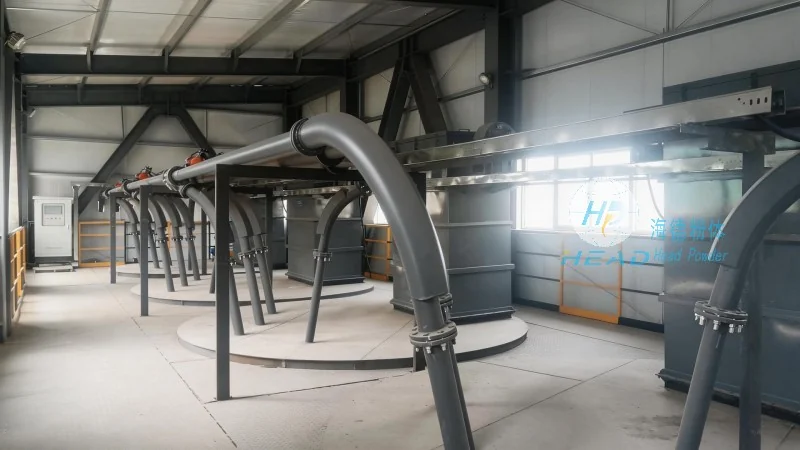
A pneumatic conveying system is a method of transporting bulk materials, such as powders, granules, or small particles, using a stream of air or gas. Unlike traditional mechanical systems (e.g., conveyors or elevators), pneumatic systems rely on air pressure to move materials through a pipeline. This technology offers several advantages, including flexibility in layout, ability to handle hazardous or sensitive materials, and reduced risk of contamination. The system typically consists of a material feed hopper, a conveyor line, and a receiver or discharge point, all connected by a network of pipes.
Melamine Powder: Characteristics and Handling Challenges
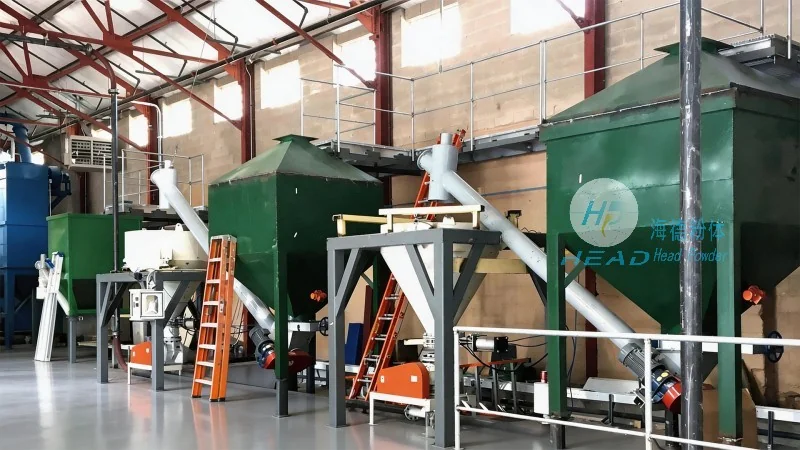
Melamine powder is a fine, white crystalline powder with a high density and low moisture content. Its properties make it suitable for various industrial applications but also present unique handling challenges. For instance, melamine powder is prone to caking or agglomeration, which can block pipelines and reduce system efficiency. Additionally, its fine particle size increases the risk of dust dispersion, requiring effective dust control measures. Pneumatic conveying systems are particularly well-suited for melamine powder due to their ability to handle fine powders and maintain material integrity during transport.
Core Design Principles of Melamine Powder Pneumatic Conveying Systems
The design of a melamine powder pneumatic conveying system is based on several key principles to ensure optimal performance and reliability. The first principle is the selection of the appropriate conveying method, which can be classified as dilute-phase or dense-phase. Dilute-phase systems use high air velocities to transport materials in a dispersed state, while dense-phase systems use lower velocities and higher material concentrations. For melamine powder, dilute-phase systems are often preferred due to their efficiency and ability to handle fine powders. The second principle is the calculation of air velocity and material flow rate, which must be optimized to prevent blockages and ensure consistent transport. Engineers at HeadPowder use advanced computational fluid dynamics (CFD) and material flow analysis to determine the ideal parameters for each application.
Key Components and Their Functions
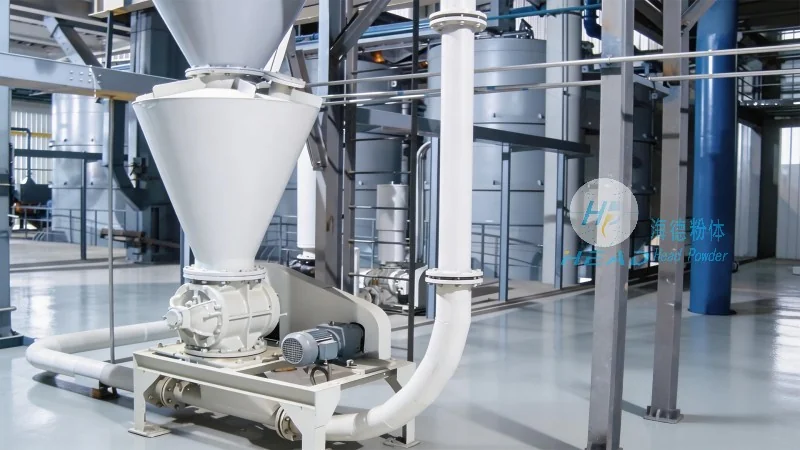
A melamine powder pneumatic conveying system comprises several critical components, each playing a vital role in the overall operation. The material feed hopper is responsible for storing and feeding the melamine powder into the system. It typically includes a hopper with a discharge valve and a feeder (e.g., a rotary valve or screw feeder) to control the flow rate. The conveyor line, made of stainless steel or other corrosion-resistant materials, transports the powder through the system. The line includes elbows, tees, and other fittings to direct the material flow. The receiver or discharge point is where the melamine powder is collected, often equipped with a dust collection system to prevent environmental contamination. The air system, including a blower or compressor, provides the necessary pressure and airflow to move the material. The control system monitors and regulates the operation of the components, ensuring safe and efficient transport.
Applications and Benefits in Industrial Settings
Melamine powder pneumatic conveying systems are widely used in industries such as plastics manufacturing, adhesives production, and chemical processing. In these applications, the system helps streamline the material handling process, reducing downtime and improving productivity. The benefits of using pneumatic conveying for melamine powder include: 1) Reduced labor costs due to automated material transport; 2) Improved safety by minimizing manual handling of powders; 3) Enhanced product quality by preventing contamination and material degradation; 4) Flexibility in system layout, allowing for integration with existing production lines. HeadPowder's systems are designed to meet the specific needs of each client, ensuring that the melamine powder is transported efficiently and safely.
Conclusion
Understanding the design principles and components of a melamine powder material pneumatic conveying system is essential for industrial manufacturers seeking to optimize their material handling processes. HeadPowder, with its expertise in engineering and material handling solutions, provides customized systems that address the unique challenges of melamine powder transport. By leveraging advanced technology and careful design, these systems offer significant benefits in terms of efficiency, safety, and product quality. For companies dealing with melamine powder, investing in a well-designed pneumatic conveying system is a strategic decision that can enhance overall operational performance.