

Electrode Dust Gas-Pneumatic Conveying System: What It Is and Its Design Principles
Electrode dust, also known as calcium carbide ash, is a byproduct generated during the production of calcium carbide. This material is typically fine and powdery, posing challenges for handling and disposal. To address these issues, the gas-pneumatic conveying system has emerged as an effective solution for transporting such dusty materials. Shandong HeadPowder Engineering Co., Ltd., a leading provider of material handling solutions, specializes in designing and implementing systems tailored to the unique needs of industries dealing with electrode dust. This article explores the concept of an electrode dust gas-pneumatic conveying system and delves into its design principles, highlighting the technical aspects and practical applications.
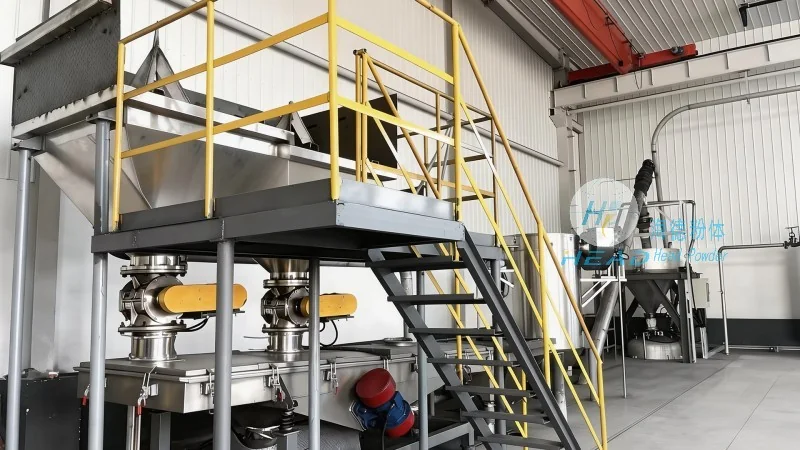
Understanding the Electrode Dust Gas-Pneumatic Conveying System
At its core, a gas-pneumatic conveying system uses compressed air or other gases to transport particulate materials through a pipeline. In the case of electrode dust, this system is specifically designed to handle the fine, abrasive nature of calcium carbide ash. The system typically consists of several key components, including a material feed hopper, a blower or compressor, a pipeline network, and a collection or discharge unit. Each component plays a crucial role in ensuring efficient and reliable material transport.
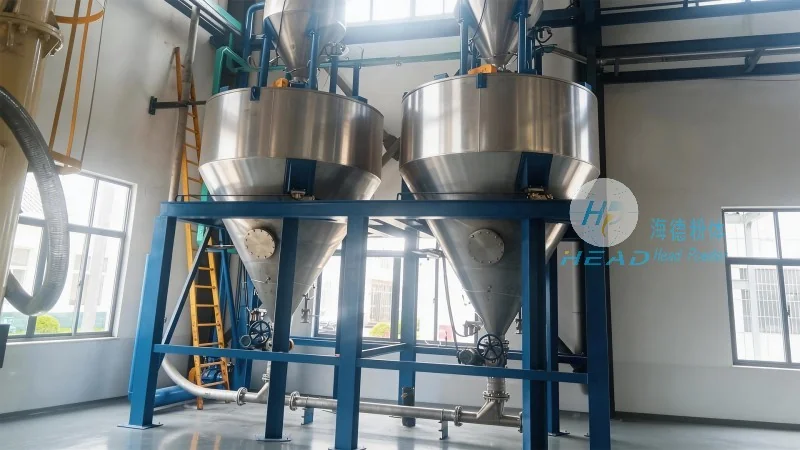
Key Design Principles for the System
The design of an electrode dust gas-pneumatic conveying system is guided by several fundamental principles to optimize performance and minimize operational issues. First, the system must be capable of handling the high moisture content and abrasive properties of electrode dust without causing excessive wear to the equipment. This often involves selecting appropriate materials for the pipeline and components, such as stainless steel or specialized coatings, to resist corrosion and abrasion. Second, the system must maintain a consistent air flow and pressure to ensure smooth material movement. This is achieved through the use of properly sized blower systems and pressure regulators, which maintain the necessary differential pressure to overcome resistance in the pipeline. Third, the system should incorporate features to prevent material buildup and blockages, such as pulse jets or vibration mechanisms, which help keep the pipeline clear and prevent clogging. Additionally, the design must consider the need for dust collection and filtration to comply with environmental regulations and ensure safe operation. By adhering to these design principles, the system can effectively transport electrode dust while minimizing maintenance and operational costs.
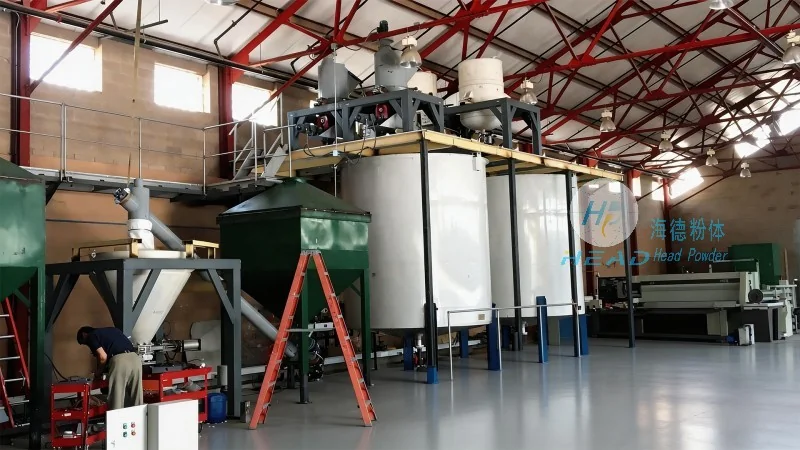
Components and Their Functions
The effectiveness of an electrode dust gas-pneumatic conveying system relies on the proper integration and operation of its key components. The material feed hopper is responsible for storing and feeding the electrode dust into the system. It is typically equipped with a gate valve or rotary valve to control the flow rate and prevent material from spilling. The blower or compressor provides the necessary air pressure to move the material through the pipeline. The choice of blower type—such as a positive displacement blower or a centrifugal blower—depends on the specific characteristics of the electrode dust, including particle size, moisture content, and flow rate. The pipeline network connects the feed hopper to the discharge point and is designed to minimize pressure loss and resistance. It is usually made of flexible or rigid materials, depending on the application, and may include bends, elbows, and tees to direct the material flow. The collection or discharge unit is where the electrode dust is deposited, either for further processing or disposal. This unit may include a cyclone separator or a baghouse filter to capture any dust that escapes the pipeline, ensuring compliance with environmental standards. Each component must be carefully selected and sized to match the specific requirements of the electrode dust material, ensuring optimal performance and longevity of the system.
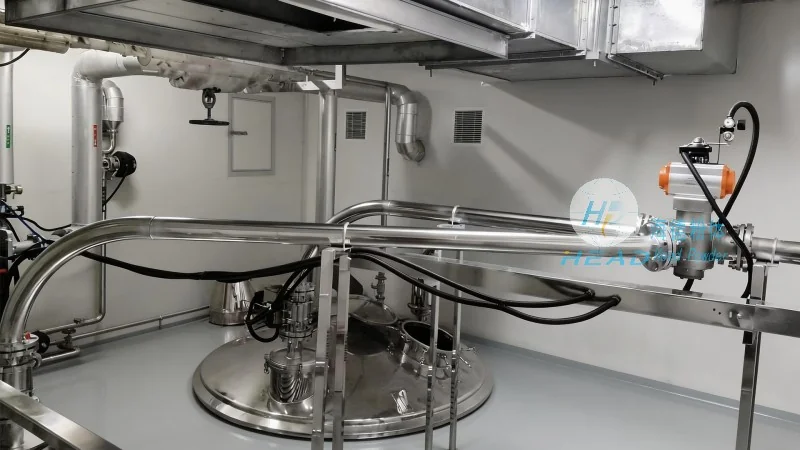
Benefits and Applications
The electrode dust gas-pneumatic conveying system offers several advantages over traditional material handling methods, such as bucket elevators or belt conveyors. One of the primary benefits is its ability to handle fine, dusty materials without the need for additional equipment like dust collectors at the feed point. This reduces the risk of dust exposure and improves workplace safety. Additionally, the system is more flexible in terms of layout, as the pipeline can be installed in various configurations to accommodate different plant layouts. This flexibility allows for easier integration into existing facilities or new construction projects. The system also provides a more hygienic and clean operation, as the material is contained within the pipeline, minimizing the risk of contamination. These benefits make the gas-pneumatic conveying system suitable for various applications in the calcium carbide industry, including material transport from production lines to storage silos, or from storage to processing units. It is also used in environmental applications, such as transporting electrode dust to disposal sites or treatment facilities. By leveraging the gas-pneumatic conveying system, companies can improve operational efficiency, reduce labor costs, and enhance safety in the handling of electrode dust.