

What is an Aminoacetic Acid Material Pneumatic Conveying System and Its Design Principles?
For industries dealing with aminoacetic acid, a specialized material handling solution is often required to ensure efficient and safe transportation. This article explores the concept of an aminoacetic acid material pneumatic conveying system, detailing its design principles and the key factors that contribute to its effective operation.
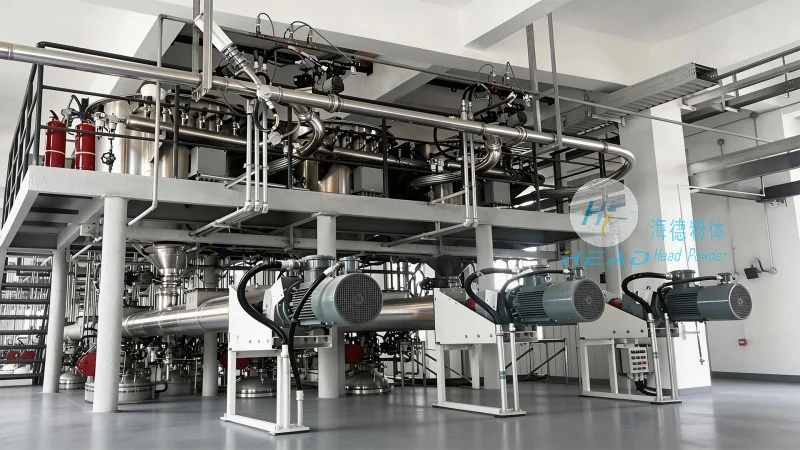
Introduction to Aminoacetic Acid Material Pneumatic Conveying Systems
Aminoacetic acid, commonly known as glycine, is a widely used chemical in various industrial applications, including pharmaceuticals, food additives, and chemical synthesis. The handling of this material requires careful consideration due to its properties, such as hygroscopic nature and potential reactivity. Pneumatic conveying systems offer a reliable method for transporting aminoacetic acid from storage to processing units, minimizing material loss and ensuring product integrity.
Core Components of the Pneumatic Conveying System
The aminoacetic acid pneumatic conveying system typically consists of several critical components that work in tandem to achieve efficient material transport. These include the material feed hopper, which holds the aminoacetic acid and regulates the flow rate; the air compressor or blower, which generates the necessary air pressure to move the material; the conveying line, which can be either positive or negative pressure, depending on the system design; and the discharge equipment, such as a receiver or silo, where the material is deposited.
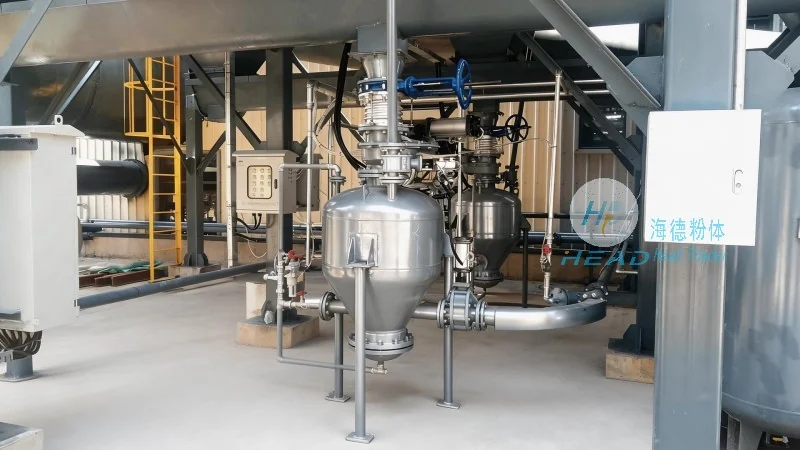
Design Principles for Efficient Material Transport
The design of an aminoacetic acid pneumatic conveying system is based on several key principles to ensure optimal performance. First, the system must maintain the material's quality by preventing moisture absorption or contamination during transport. This is achieved through proper sealing of the conveying line and the use of appropriate air filtration. Second, the system must balance the air velocity and material flow rate to avoid material degradation or blockages. Engineers calculate the necessary air volume and pressure based on the material's bulk density, particle size, and flow characteristics. Third, the system is designed to minimize energy consumption while maximizing throughput. This involves selecting the right type of air compressor and optimizing the conveying line length and diameter.
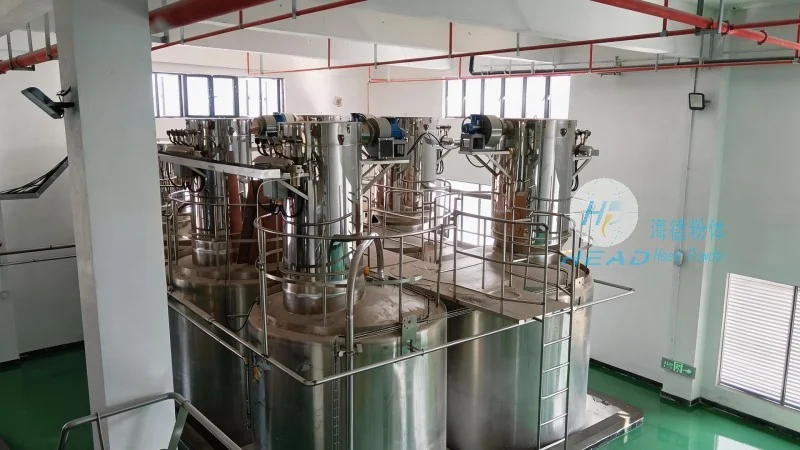
Material Handling Considerations for Aminoacetic Acid
When designing a pneumatic conveying system for aminoacetic acid, several material-specific factors must be considered. The hygroscopic nature of aminoacetic acid means that the system must be equipped with moisture-proof components and possibly a dehumidification unit to prevent material clumping or caking. Additionally, the material's reactivity with certain metals or components must be taken into account, requiring the use of corrosion-resistant materials like stainless steel for the conveying line and equipment. The particle size distribution of the aminoacetic acid is also critical, as larger particles may require higher air velocities to prevent settling or blockages in the system.
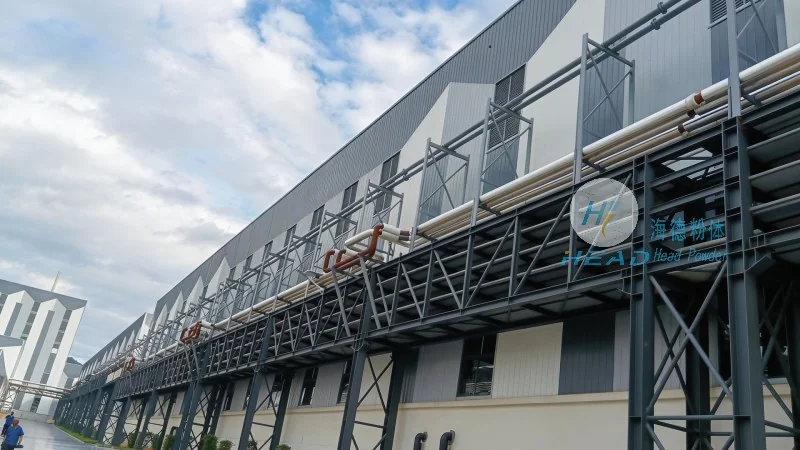
Application of Pneumatic Conveying in Aminoacetic Acid Production
In aminoacetic acid production facilities, the pneumatic conveying system plays a vital role in integrating various processing steps. For example, after the aminoacetic acid is produced in a reactor, it is conveyed from the reactor to a drying unit or storage silo. The system ensures that the material is transported without loss or contamination, maintaining the product's purity. Similarly, in pharmaceutical applications, the system is used to transfer aminoacetic acid to mixing or packaging lines, where it is combined with other ingredients to form final products. The efficiency of the pneumatic conveying system directly impacts the overall production throughput and cost-effectiveness of the manufacturing process.
HeadPowder Engineering: Expertise in Aminoacetic Acid Pneumatic Conveying Systems
Shandong HeadPowder Engineering Co., Ltd., a leading provider of material handling solutions, specializes in designing and manufacturing aminoacetic acid pneumatic conveying systems tailored to the unique needs of various industries. With years of experience in the field, HeadPowder Engineering understands the critical factors involved in handling aminoacetic acid and has developed advanced systems that meet the highest standards of efficiency and safety. The company's team of engineers utilizes state-of-the-art technology and rigorous testing to ensure that each system is optimized for the specific material and application requirements. HeadPowder Engineering's commitment to quality and customer satisfaction has made it a trusted partner for businesses seeking reliable aminoacetic acid material handling solutions.