When it comes to the efficient and reliable transportation of sand, gravel, and other fine powders in industrial settings, the sand and gravel powder conveying line has emerged as a critical solution. This system is designed to handle bulk materials with precision, ensuring smooth operation from intake to discharge. The following sections will explore the working principle and key features of such a conveying line, highlighting how it meets the demands of modern material handling.
Understanding the Working Principle of Sand and Gravel Powder Conveying Lines
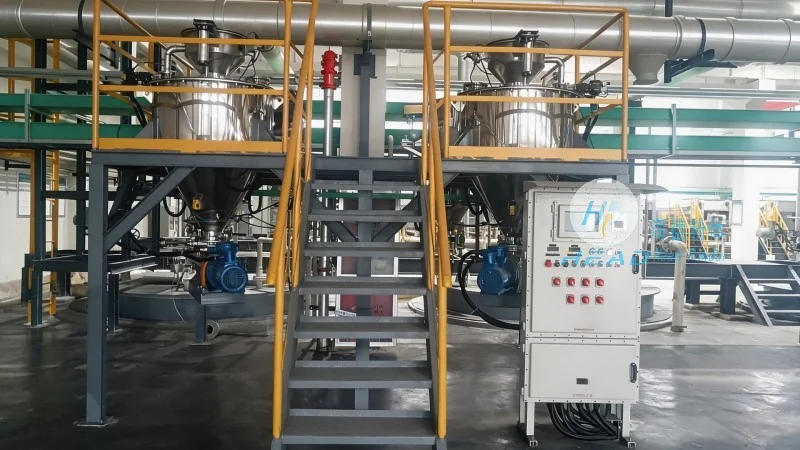
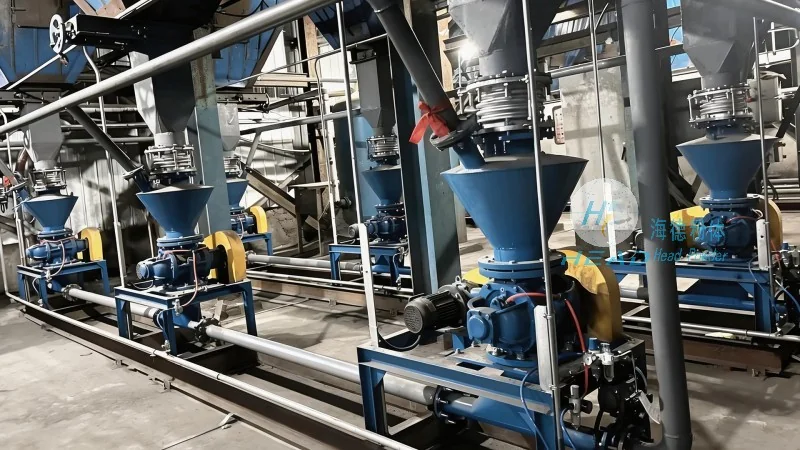
The core of a sand and gravel powder conveying line lies in its integrated components and the coordinated operation of each part. Typically, the system begins with a material hopper or feeder that collects the bulk sand or gravel. This hopper is equipped with a feeding mechanism, such as a screw feeder or a rotary valve, which regulates the flow of material into the conveying pipeline. The material then moves through a series of pipes or hoses, often under pressure or using vacuum technology, depending on the specific design. The conveying line may incorporate components like airlocks, cyclones, or rotary airlocks to control the flow and prevent backflow. At the discharge end, the material is released into a storage bin or processing unit, completing the cycle. The entire process is driven by a motor or power source that powers the feeding and conveying mechanisms, ensuring consistent and controlled movement of the material. This principle allows for continuous operation, minimizing downtime and maximizing productivity in material handling applications. The design may also include sensors and control systems that monitor the flow rate and pressure, providing real-time feedback to operators and adjusting the system as needed to maintain optimal performance.
Key Features of Sand and Gravel Powder Conveying Lines
Several key features distinguish effective sand and gravel powder conveying lines, making them suitable for a wide range of industrial applications. First, the system offers high efficiency in material transport, capable of handling large volumes of sand or gravel with minimal energy consumption. The design often includes adjustable feeding rates, allowing operators to control the flow based on processing needs. Additionally, the conveying line is built for durability, using materials like stainless steel or high-grade plastic to withstand the abrasive nature of sand and gravel, reducing wear and tear over time. Another important feature is the ability to handle fine powders without clogging, thanks to specialized components like airlocks and cyclones that maintain consistent airflow and material movement. The system also provides flexibility in layout, with modular components that can be configured to fit various facility sizes and operational requirements. Furthermore, safety features are integrated into the design, such as pressure relief valves and emergency shut-off mechanisms, ensuring safe operation in industrial environments. These features collectively contribute to the reliability and performance of the conveying line, making it a preferred choice for industries that require consistent and efficient material handling. The system's ability to handle both dry and slightly wet materials also adds to its versatility, accommodating different material characteristics in various applications.
Applications and Benefits in Industrial Settings
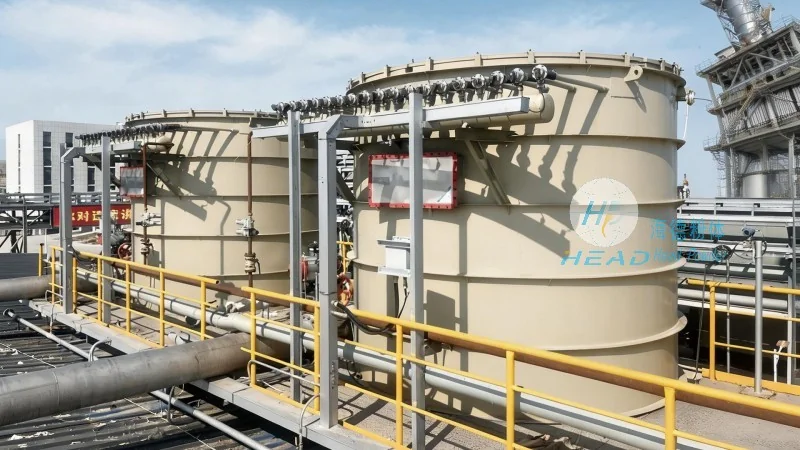
Sand and gravel powder conveying lines find extensive use in various industries, including construction, mining, and manufacturing. In construction, they are essential for transporting sand and gravel to building sites, ensuring a steady supply of materials for concrete production and other projects. The consistent flow of materials helps maintain production schedules and reduces delays caused by material shortages. In mining operations, the system helps move crushed rock and ore from processing plants to storage or transport facilities, improving operational efficiency and reducing the need for manual handling of heavy loads. The benefits of using such a conveying line include reduced labor costs, as automated systems minimize the need for workers to handle bulk materials directly. This not only lowers operational expenses but also enhances workplace safety by eliminating exposure to dust and heavy lifting. Furthermore, the system contributes to environmental sustainability by reducing dust emissions and controlling material flow, which is crucial in compliance with environmental regulations. The consistent and controlled transport of materials also improves the quality of the final product, as it prevents contamination and ensures uniform material distribution. For example, in the production of concrete, the precise delivery of sand and gravel through the conveying line results in better mix consistency, leading to higher quality construction materials. Overall, the sand and gravel powder conveying line offers significant advantages in terms of efficiency, safety, and cost-effectiveness, making it a vital component in modern industrial operations. The technology behind these systems continues to evolve, with advancements in materials and control systems enhancing their performance and adaptability to changing industrial needs.
Customization and Integration with Other Systems
Another important aspect of sand and gravel powder conveying lines is their ability to be customized and integrated with other industrial systems. Companies like Shandong HeadPowder Engineering Co., Ltd. specialize in designing and manufacturing tailored conveying solutions that meet specific customer requirements. The customization process involves assessing the customer's material characteristics, processing needs, and facility layout to develop a system that optimizes performance and efficiency. For instance, the conveying line can be integrated with batching systems, storage silos, or processing equipment to create a seamless material handling workflow. This integration ensures that materials move smoothly from one stage to the next, reducing bottlenecks and improving overall operational efficiency. The modular design of the conveying line allows for easy expansion or modification as production needs change, providing long-term value to the customer. Additionally, the use of advanced control systems enables remote monitoring and management of the conveying line, allowing operators to troubleshoot issues and adjust settings from a central location. This level of integration and customization is crucial for industries that require high precision and reliability in their material handling processes.
Maintenance and Longevity of the Conveying Line
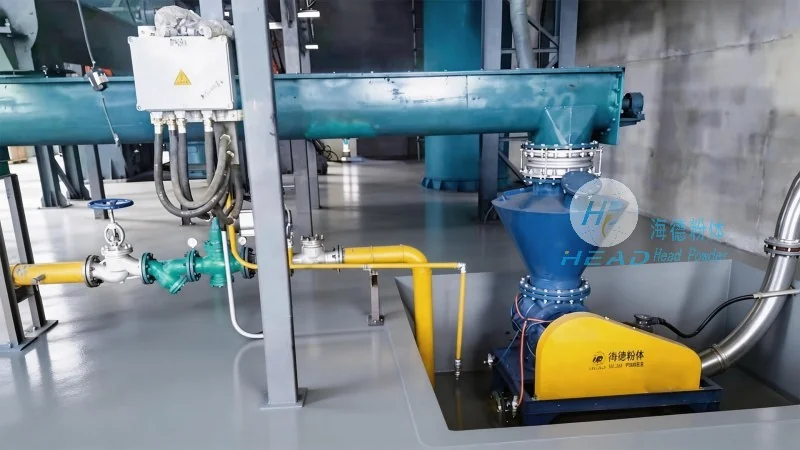
Maintaining the performance and longevity of a sand and gravel powder conveying line is essential for sustained operational efficiency. Regular maintenance is required to ensure that all components are functioning correctly and to prevent breakdowns that could disrupt production. Key maintenance tasks include inspecting and cleaning the material hopper and feeding mechanisms to prevent clogging, checking the condition of the conveying pipes and hoses for wear or damage, and lubricating moving parts to reduce friction and wear. The airlocks and cyclones, which are critical components for controlling material flow, should be inspected regularly to ensure they are operating efficiently and not causing blockages. Additionally, the motor and control systems should be checked for proper operation and any signs of wear or overheating. By following a regular maintenance schedule, companies can extend the lifespan of their conveying line and minimize the risk of costly repairs or downtime. The use of high-quality materials and components in the construction of the conveying line also contributes to its longevity, as they are designed to withstand the harsh conditions of sand and gravel handling. Shandong HeadPowder Engineering Co., Ltd. provides comprehensive maintenance services and support to its customers, ensuring that their conveying lines remain in optimal condition throughout their operational life. This commitment to maintenance and support helps customers achieve consistent performance and reliability from their material handling systems.




