

Working Principle and Features of Grain Powder Conveying Equipment
Grain powder conveying equipment is a critical component in modern agricultural and food processing industries, designed to efficiently transport bulk materials such as grains, powders, and other particulate substances. These systems are essential for optimizing workflow in storage facilities, processing plants, and distribution centers, ensuring smooth and reliable movement of raw materials. The technology behind these devices combines mechanical engineering principles with advanced material handling techniques to meet the demands of high-volume, low-maintenance operations.
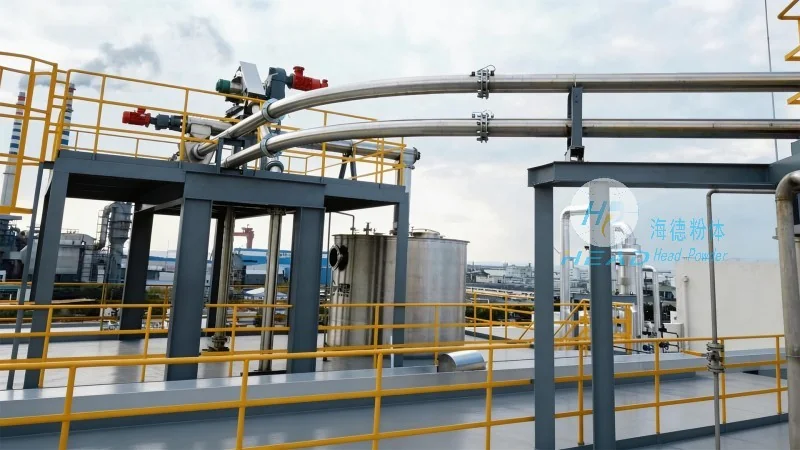
Introduction to Grain Powder Conveying Equipment
At Shandong HeadPowder Engineering Co., Ltd., we specialize in the design, manufacturing, and integration of advanced grain powder conveying systems. Our company, known in the industry as headpowder, is headquartered in Shandong, China, and has established a reputation for delivering high-quality, durable equipment tailored to the unique needs of agricultural and food processing sectors. The equipment we provide is engineered to handle a wide range of grain types, from wheat and corn to rice and soybeans, ensuring consistent performance under varying operational conditions.
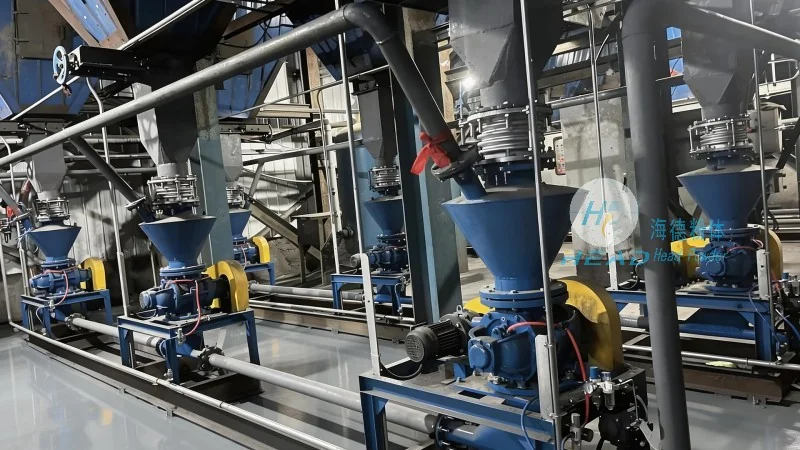
Working Principle of Grain Powder Conveying Equipment
The core working principle of grain powder conveying equipment revolves around the efficient transfer of bulk materials through a combination of mechanical and pneumatic systems. Many of our systems utilize a pneumatic conveying method, where air is used to create a flow that propels the powder through a pipeline. This approach eliminates the need for mechanical components like belts or chains, reducing friction and wear while maintaining high throughput rates. The process typically involves a hopper or storage bin that feeds the material into a conveying line, where a fan or blower generates the necessary air pressure to move the powder. The system may also incorporate features such as cyclone separators or filters to separate the material from the air stream, ensuring clean and efficient operation. Additionally, some of our equipment employs mechanical components, such as screw conveyors or bucket elevators, which use rotating mechanisms to push the powder along a fixed path. These mechanical systems are particularly effective for handling materials with higher moisture content or larger particle sizes, providing a reliable alternative to pneumatic methods.
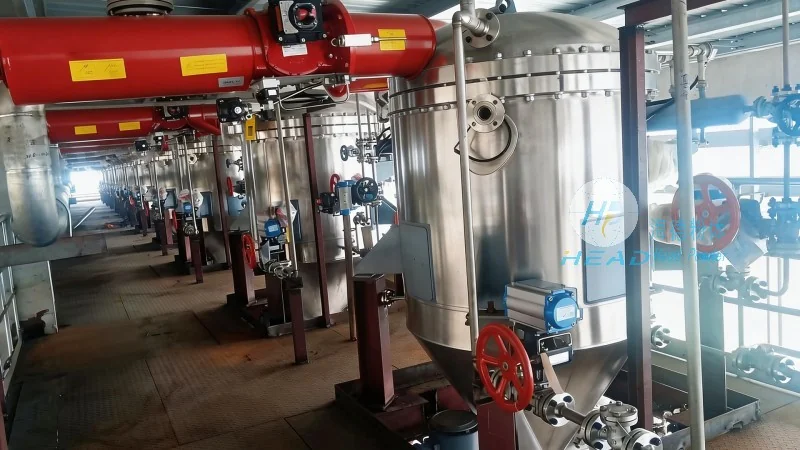
Key Features of Grain Powder Conveying Equipment
Our grain powder conveying equipment is distinguished by several key features that enhance performance, durability, and user experience. First, the equipment is designed for high efficiency, with optimized flow rates that minimize energy consumption while maximizing material throughput. This is achieved through advanced engineering, including variable speed drives and adjustable air pressure controls, allowing operators to tailor the system to specific material characteristics and operational requirements. Second, the equipment is built for durability and long-term reliability. We use high-quality materials, such as stainless steel and corrosion-resistant alloys, to withstand the harsh conditions of grain processing environments, including moisture, dust, and temperature fluctuations. This ensures that the equipment maintains its performance over extended periods without frequent maintenance or replacement. Third, the systems are user-friendly and easy to maintain. Many of our models feature accessible components, such as quick-release clamps and removable filters, which simplify cleaning and maintenance procedures. This reduces downtime and operational costs, making the equipment a cost-effective solution for businesses. Fourth, the equipment is highly versatile, capable of handling a wide range of grain types and particle sizes. Whether processing fine powders like flour or larger grains like corn, our systems can be adapted to meet diverse processing needs. This versatility makes our equipment suitable for various applications, from small-scale farms to large-scale industrial processing plants. Finally, the equipment is designed with safety in mind. We incorporate features such as emergency shut-off valves, pressure relief systems, and dust suppression mechanisms to protect operators and the environment from potential hazards. These safety measures ensure that the equipment operates within safe parameters, reducing the risk of accidents and compliance issues.
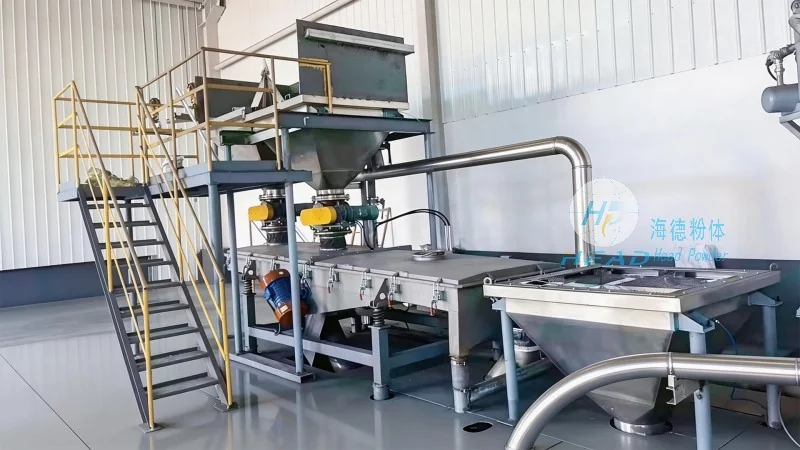
Application Examples and Benefits
The applications of grain powder conveying equipment are widespread across the agricultural and food processing industries. In storage facilities, these systems are used to transfer grain from silos or storage bins to processing lines, ensuring a continuous supply of raw materials. In processing plants, they are employed to move materials between different stages of production, such as from milling to packaging. The benefits of using our equipment extend beyond efficiency and reliability. By reducing manual labor and minimizing material loss, our systems help businesses improve their bottom line. Additionally, the consistent flow of materials ensures that processing lines operate at optimal capacity, preventing bottlenecks and delays. Our equipment also contributes to better product quality by maintaining the integrity of the grain during transport, avoiding contamination or degradation that can occur with manual handling. For businesses operating in the food industry, this is particularly important, as it helps meet regulatory standards and maintain product safety. Furthermore, the compact design of our systems allows for easy integration into existing facilities, minimizing the need for major renovations or construction. This makes our equipment a practical solution for businesses looking to upgrade their material handling capabilities without significant disruption to their operations.