

Working Principle and Features of Potassium Sulfate Powder Conveying Line
For industrial applications involving the transportation of potassium sulfate powder, efficient and reliable conveying systems are essential to ensure smooth operation and maintain product quality. The potassium sulfate powder conveying line, as a specialized equipment solution, plays a crucial role in various production processes. This article will delve into the working principle and key features of such a system, providing a comprehensive understanding for potential users and industry professionals.
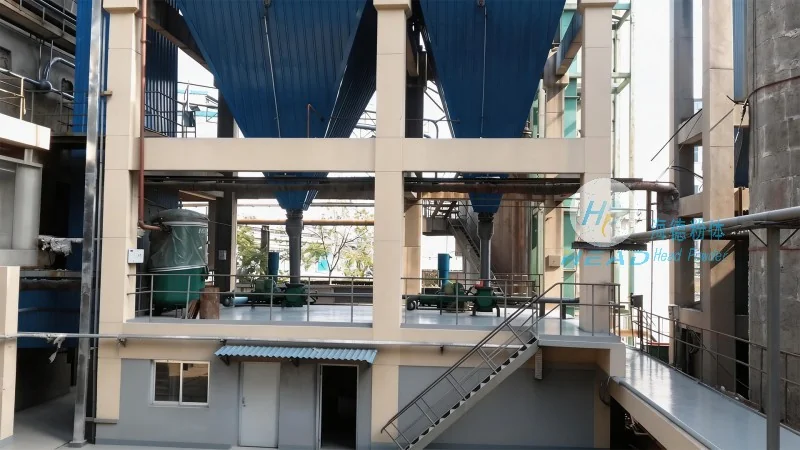
Overview of Potassium Sulfate Powder Conveying Line
Potassium sulfate, a vital mineral fertilizer and chemical raw material, requires specialized handling due to its powder form and potential for dust generation. The conveying line is designed to address these challenges by integrating multiple components that work in tandem to transport the material from one location to another within a production facility or between different processing stages. The system typically includes feeders, conveyors, dust collection units, and control systems, all tailored to handle the specific properties of potassium sulfate powder. This equipment is designed and manufactured by Shandong HeadPowder Engineering Co., Ltd., a leading provider of powder handling solutions in China.
Working Principle of the Conveying Line
The operation of a potassium sulfate powder conveying line is based on the principles of mechanical transport, where the powder is moved through a series of pipes or ducts using various types of conveyors. The process generally begins with the material being fed into the system from a storage silo or hopper. A feeder, often a rotary valve or a screw feeder, regulates the flow rate of the powder, ensuring a consistent and controlled supply to the conveyor. The conveyor itself, which can be a pneumatic system or a mechanical conveyor like a belt or screw conveyor, then transports the powder along the designated path. In pneumatic conveying systems, compressed air is used to create a flow that carries the powder particles through the pipeline. This method is particularly effective for handling fine powders and minimizing dust exposure. Mechanical conveyors, on the other hand, rely on physical movement, such as rotating screws or moving belts, to push the material forward. The control system monitors the flow rate, pressure, and other parameters to maintain optimal operation and prevent blockages or overloading. At the end of the conveying line, the powder is discharged into a receiving hopper or storage tank, completing the transport process.
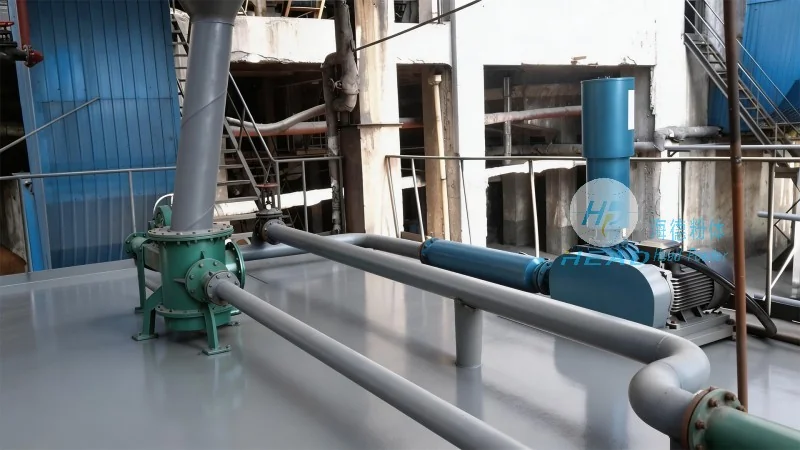
Key Features of the Conveying Line
The potassium sulfate powder conveying line is characterized by several features that enhance its performance and usability. Firstly, it offers high efficiency in material transport, with the ability to handle large volumes of powder at a consistent rate. This is crucial for maintaining production throughput and reducing downtime. Secondly, the system is designed for low dust generation, which is vital for maintaining a safe and clean working environment. Advanced dust collection and filtration systems are integrated to capture and remove airborne particles, ensuring compliance with environmental regulations and protecting the health of operators. Thirdly, the conveying line is highly customizable to meet the specific requirements of different applications. Manufacturers can adjust the conveyor type, pipe diameter, and control settings to accommodate varying powder characteristics, such as particle size and moisture content. This flexibility allows the system to be adapted for different production scales, from small-scale laboratory use to large industrial operations. Additionally, the system is equipped with safety features, including overload protection and emergency stop mechanisms, to prevent accidents and ensure the safety of personnel. The use of durable materials, such as stainless steel or corrosion-resistant alloys, ensures the longevity of the equipment and resistance to the chemical properties of potassium sulfate. Finally, the conveying line is designed for easy maintenance and operation, with accessible components and user-friendly control interfaces that allow operators to monitor and adjust the system as needed.
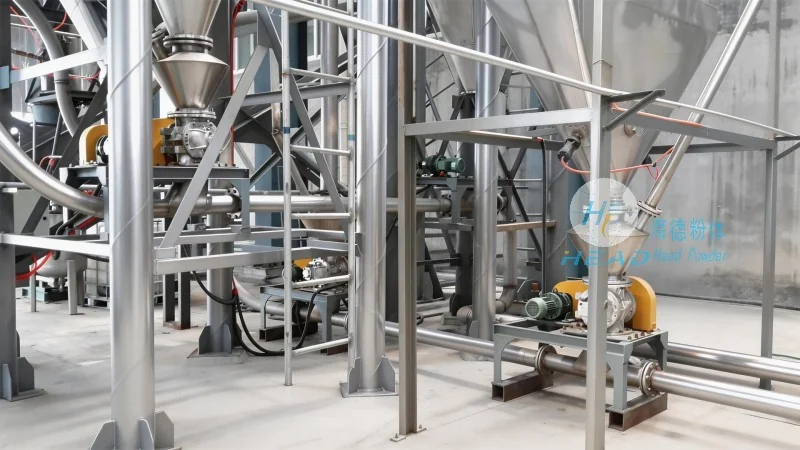
Application and Benefits in Industrial Settings
The potassium sulfate powder conveying line is widely used in various industrial sectors, including chemical manufacturing, fertilizer production, and food processing. In chemical plants, it facilitates the transport of potassium sulfate from storage to reaction vessels or packaging areas, ensuring a continuous supply of raw materials. In fertilizer production, the system is integral to the processing of potassium sulfate as a key component of agricultural fertilizers, enabling efficient blending and distribution. The benefits of using such a conveying line extend beyond mere transportation; it also contributes to improved product quality by minimizing contamination and maintaining the integrity of the powder. By reducing handling and exposure to the environment, the system helps preserve the purity and effectiveness of the potassium sulfate, which is critical for its use in agricultural applications. Furthermore, the efficient operation of the conveying line reduces energy consumption and operational costs, making it a cost-effective solution for industrial operations. The reliability of the system also minimizes production interruptions, which can lead to significant financial losses in manufacturing environments.
Conclusion
In conclusion, the potassium sulfate powder conveying line is a sophisticated and essential piece of equipment for the efficient handling and transportation of potassium sulfate powder. Its working principle, based on mechanical or pneumatic transport, ensures reliable and consistent material movement, while its key features, such as low dust generation, customization options, and safety measures, enhance its performance and usability. The system is widely adopted in industrial applications due to its ability to improve production efficiency, maintain product quality, and reduce operational costs. As a result, the potassium sulfate powder conveying line remains a critical component in the production and processing of potassium sulfate, supporting the needs of various industries and contributing to the overall productivity and sustainability of industrial operations.