Metallurgical coke powder conveying systems are essential in industrial processes, particularly in the steel and iron production sectors. These systems are designed to efficiently transport coke powder, a critical raw material, from storage to processing units. The working principle and features of such systems are tailored to meet the demanding requirements of high-temperature and high-pressure environments typical in metallurgical applications.
Working Principle of Metallurgical Coke Powder Conveying Lines
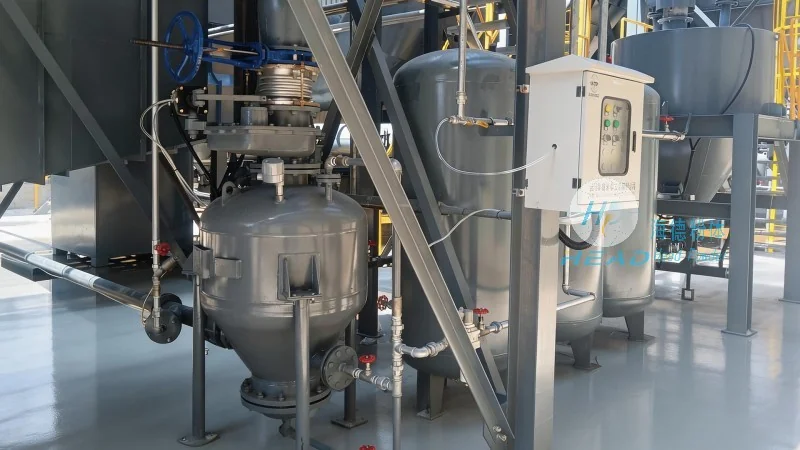
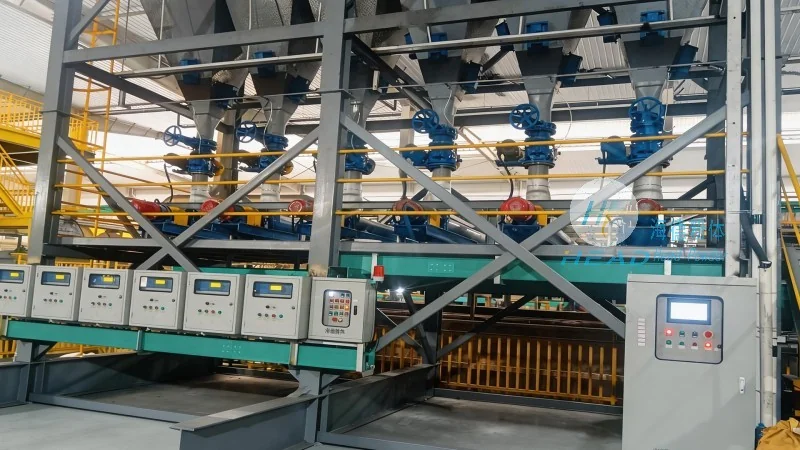
The core working principle of metallurgical coke powder conveying lines involves the use of specialized equipment to move coke powder through a closed or semi-closed system. The process typically starts with the storage of coke powder in silos or bulk storage tanks. From there, the material is fed into a conveyor system, which may include screw conveyors, pneumatic conveyors, or a combination of both. The choice of conveyor type depends on factors such as the particle size of the coke powder, the required conveying distance, and the environmental conditions. For example, pneumatic conveyors use air pressure to transport the powder, while screw conveyors rely on rotating screws to push the material forward. The system is equipped with control mechanisms to regulate the flow rate, ensuring consistent and reliable delivery of coke powder to the next stage of the production process. This controlled movement minimizes material loss and prevents contamination, which is crucial for maintaining product quality in metallurgical operations.
Key Features of Metallurgical Coke Powder Conveying Systems
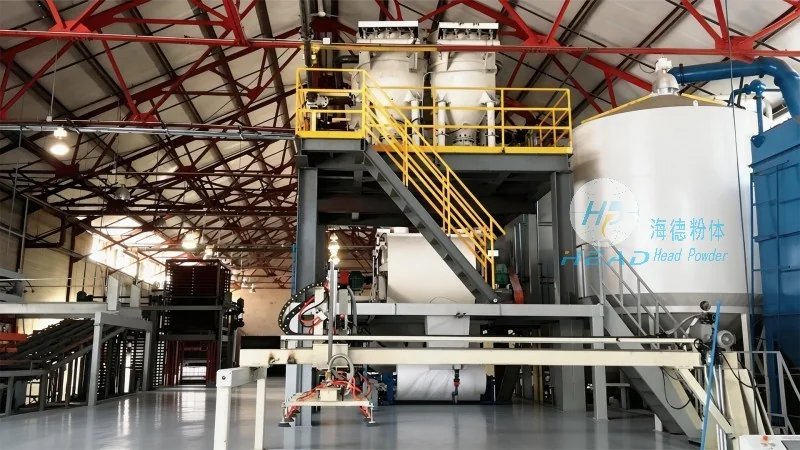
Metallurgical coke powder conveying systems from Shandong HeadPowder Engineering Co., Ltd. are characterized by several key features that enhance their performance and reliability. One of the primary features is the robust construction, designed to withstand the harsh conditions of metallurgical environments, including high temperatures and abrasive materials. The systems are made from corrosion-resistant materials, such as stainless steel or special alloys, to ensure longevity and reduce maintenance costs. Another important feature is the integration of advanced control systems, which allow for precise monitoring and adjustment of the conveying process. These systems can be equipped with sensors to detect blockages, overloads, or other issues, providing real-time feedback and enabling immediate corrective actions. Additionally, the conveying lines are designed for flexibility, allowing for easy integration into existing production facilities and adaptation to changing operational needs. The systems also prioritize safety, incorporating features like explosion-proof designs and emergency shut-off mechanisms to protect personnel and equipment. These features collectively contribute to the efficiency and safety of coke powder handling in metallurgical plants.
Application and Benefits
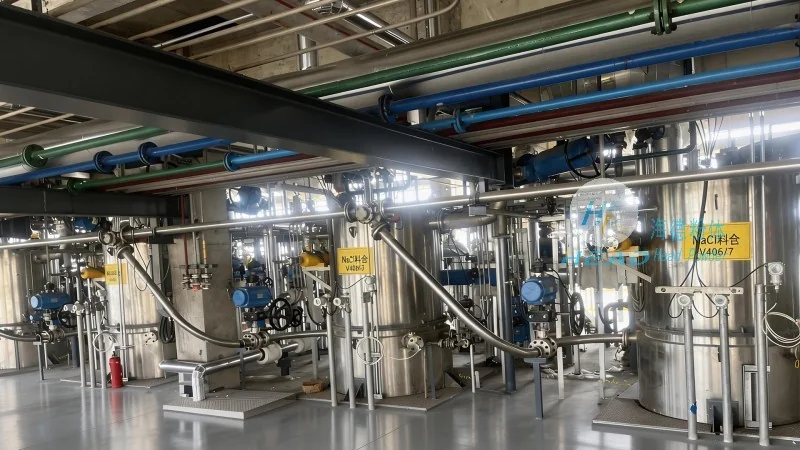
The applications of metallurgical coke powder conveying systems are widespread in the steel and iron industry. They are used in coke handling plants, where coke powder is transported from storage to coking ovens or other processing units. The benefits of these systems include improved operational efficiency, reduced labor costs, and enhanced product quality. By ensuring a consistent and reliable supply of coke powder, the systems help maintain optimal production rates and minimize downtime. Furthermore, the advanced features of these systems, such as automated control and monitoring, reduce the risk of human error and improve overall process control. The systems also contribute to environmental sustainability by minimizing material loss and preventing dust emissions, which is increasingly important in modern industrial operations. Overall, metallurgical coke powder conveying systems are critical components in the efficient and safe operation of metallurgical facilities.




