

Working Principle and Features of White Carbon Black Powder Conveying Equipment
White carbon black, a widely utilized industrial material, plays a pivotal role in sectors including rubber, plastics, and coatings. The efficient transportation of white carbon black powder is critical for optimizing production processes and ensuring product quality. This article delves into the working principles and distinctive features of white carbon black powder conveying equipment, offering a comprehensive overview of how these systems enhance industrial operations.
Working Principle of White Carbon Black Powder Conveying Equipment
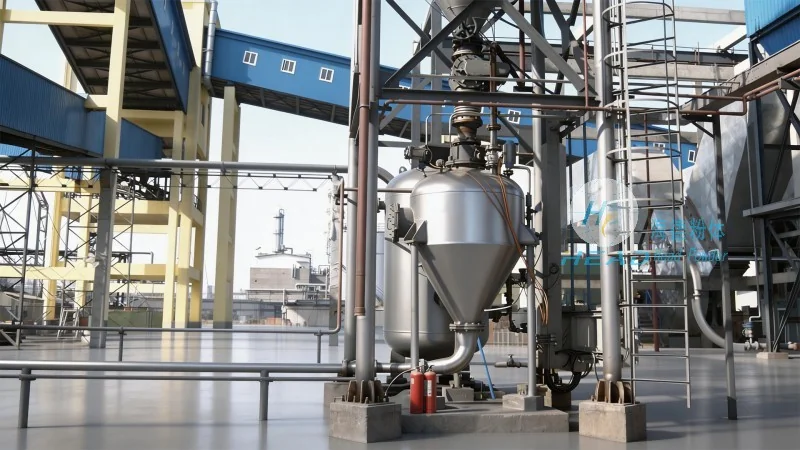
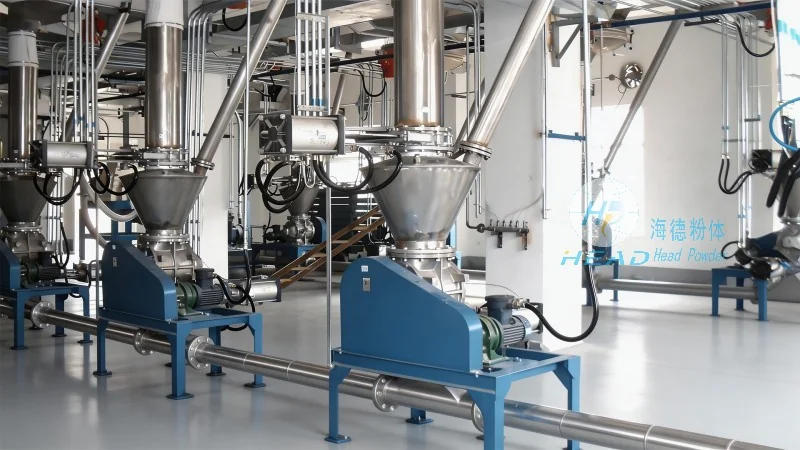
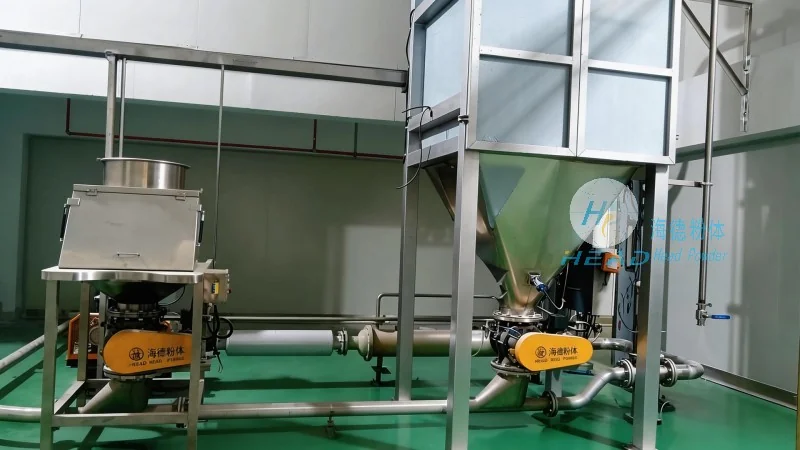
The operation of white carbon black powder conveying equipment is centered on the systematic transfer of fine powder materials. Two primary methods are commonly employed: pneumatic and mechanical conveying. Pneumatic systems utilize compressed air to generate a flow that propels the powder particles through pipelines. This approach is particularly effective for white carbon black due to its fine particle size and low bulk density, as it minimizes particle degradation and prevents agglomeration. The process typically involves a hopper where the powder is loaded, a venturi or eductor that creates the air-powder mixture, and a pipeline network that transports the mixture to the destination. The air pressure and flow rate are carefully controlled to maintain a stable and consistent material transport. Mechanical conveying systems, such as screw or belt conveyors, rely on mechanical force to move the powder. These systems are often used for bulk handling and are less energy-intensive than pneumatic systems. However, they may not be as suitable for delicate powders like white carbon black, as they can cause friction and particle breakdown. The selection of the conveying method depends on factors like material properties, production scale, and operational constraints. For white carbon black, pneumatic conveying is generally preferred due to its ability to handle fine particles with minimal damage, ensuring the material's integrity is preserved throughout the transport process.
Key Features of White Carbon Black Powder Conveying Equipment
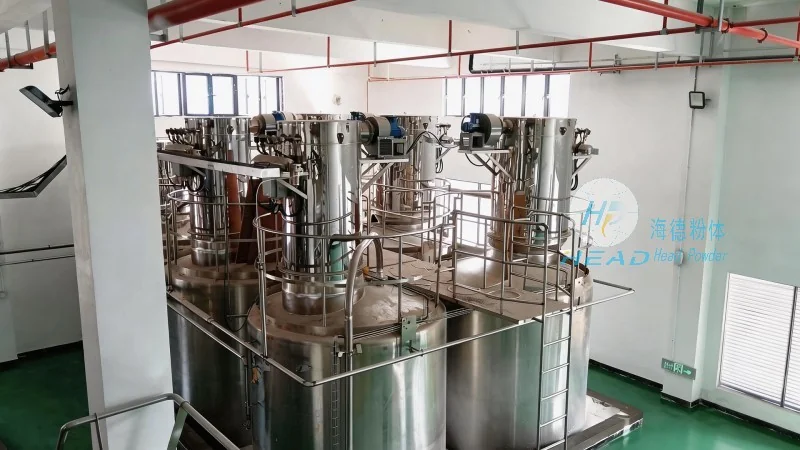
White carbon black powder conveying equipment is characterized by several key features that enhance its performance and usability. One of the most significant features is its high efficiency in material transport. These systems can handle substantial volumes of white carbon black powder at a consistent rate, reducing downtime and boosting overall production throughput. Another critical feature is the equipment's ability to maintain material integrity. By employing gentle conveying techniques, such as low-pressure pneumatic systems, the powder is protected from clumping or degradation, which is essential for maintaining the quality of the final product. Advanced control systems are also integrated into modern designs, allowing for precise regulation of flow rates and pressure. This enables operators to adjust the transport parameters in real-time, ensuring optimal performance and minimizing the risk of spills or overloading. Environmental considerations are a prominent feature of contemporary white carbon black powder conveying equipment. Many systems include dust collection and filtration mechanisms to reduce airborne particles and comply with environmental regulations. This not only enhances workplace safety but also contributes to a cleaner production environment. The equipment is constructed from durable materials that can withstand the abrasive nature of white carbon black powder, ensuring long-term reliability and reducing maintenance costs. Additionally, the design of these systems allows for easy integration into existing production lines, making them a versatile solution for various industrial applications, such as rubber manufacturing, plastic processing, and coating production. These features collectively make white carbon black powder conveying equipment an indispensable tool for industries relying on white carbon black, facilitating seamless and efficient material handling.