

What is Rice Husk Ash Powder Pneumatic Conveying? And What Are Its Design Principles?
Rice husk ash, a byproduct of rice processing, is increasingly recognized for its potential in various industrial applications. One of the key challenges in handling this fine powder is its efficient and reliable transportation. Pneumatic conveying systems offer a solution, and understanding the technology behind rice husk ash powder pneumatic conveying is crucial for optimizing material handling processes.
Introduction to Rice Husk Ash Powder Pneumatic Conveying
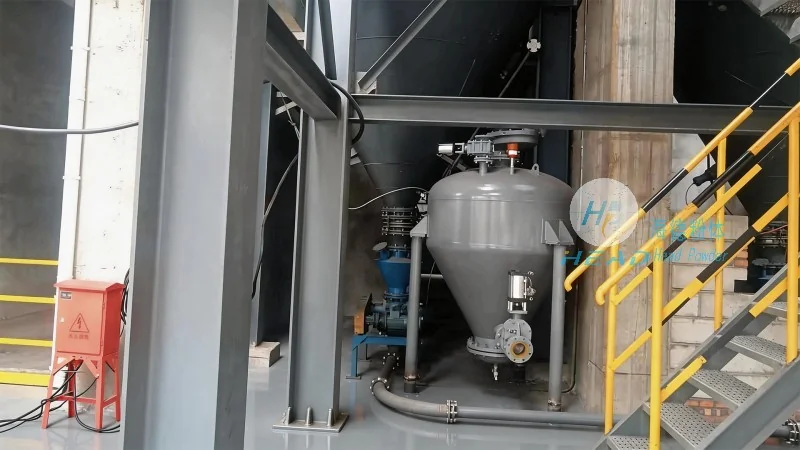
Pneumatic conveying, or powder pneumatic transport, involves the movement of dry powders through a pipeline using a gas stream, typically air. This method is particularly suitable for materials like rice husk ash, which are fine, lightweight, and can be prone to dusting or caking. The primary goal of a pneumatic conveying system is to transport the powder from a source to a destination, such as a storage silo, processing unit, or packaging area, while maintaining product integrity and minimizing material loss.
Key Components of a Pneumatic Conveying System
A typical pneumatic conveying system for rice husk ash powder consists of several critical components that work in tandem to ensure efficient operation. These components include the material feed system, the conveying line (pipeline), the air supply system, and the control and monitoring equipment. Each component plays a vital role in the overall performance of the system.
Material Feed System
The material feed system is responsible for introducing the rice husk ash powder into the conveying line. This can be achieved through various methods, such as a rotary valve, a star feeder, or a pressure feeder. The choice of feed device depends on the characteristics of the powder, including its flowability, density, and moisture content. For rice husk ash, which may have varying particle sizes and can be cohesive, a well-designed feed system is essential to prevent blockages and ensure a consistent flow rate.
Conveying Line and Pipeline Design
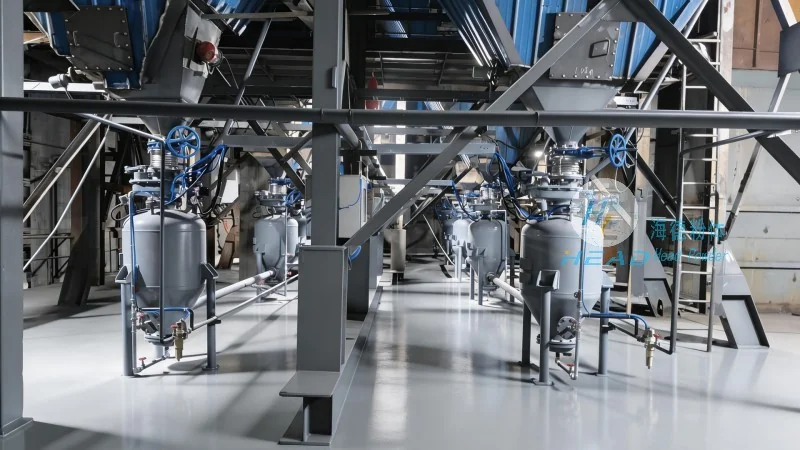
The conveying line, often made of stainless steel or other corrosion-resistant materials, is the main pathway for the powder and air mixture. The design of the pipeline is critical, as it must accommodate the flow of both materials and ensure minimal pressure drop. Factors such as pipe diameter, length, and the presence of bends or fittings significantly impact the system's efficiency. For rice husk ash powder, which is fine and can generate dust, the pipeline must be sealed to prevent leaks and maintain a controlled environment.
Air Supply System
The air supply system provides the necessary pressure and volume of air to move the powder through the pipeline. This system typically includes a blower or a positive displacement compressor, along with air treatment equipment like filters and moisture separators. The air must be clean and dry to prevent contamination of the rice husk ash powder and to ensure the longevity of the system components. For high-efficiency conveying, the air velocity within the pipeline must be maintained at an optimal level to prevent particle deposition and ensure smooth flow.
Control and Monitoring Equipment
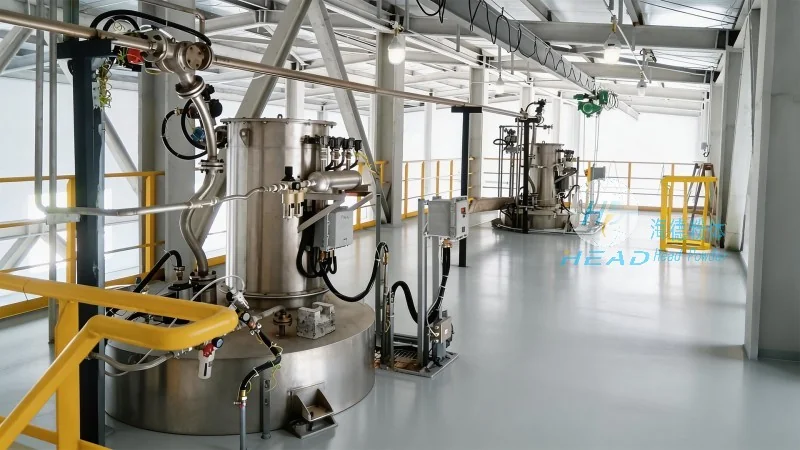
Modern pneumatic conveying systems are equipped with control and monitoring equipment to optimize performance and ensure safety. This includes pressure sensors, flow meters, and control valves that regulate the air pressure and flow rate. Additionally, some systems may incorporate dust collection and filtration systems to capture any airborne particles and maintain a clean working environment. For rice husk ash powder, which can be a source of fine dust, these monitoring and control features are essential for compliance with environmental regulations and for protecting personnel.
Design Principles for Efficient Rice Husk Ash Powder Pneumatic Conveying
The design of a pneumatic conveying system for rice husk ash powder must adhere to several key principles to ensure efficiency, reliability, and cost-effectiveness. These principles include selecting the appropriate conveying method (e.g., dilute-phase or dense-phase), determining the optimal air velocity and pressure, and ensuring proper system sizing. Dilute-phase conveying, where the powder is suspended in the air stream, is commonly used for long-distance or high-capacity applications, while dense-phase conveying, where the powder is transported in a plug flow, is suitable for short distances or when product integrity is critical.
Optimizing Air Velocity and Pressure
One of the most critical design considerations is the air velocity and pressure within the conveying line. The air velocity must be high enough to keep the powder particles suspended but not so high as to cause excessive wear on the pipeline or equipment. The pressure required depends on the system's length, the height of the conveying line, and the characteristics of the powder. For rice husk ash powder, which has a relatively low density, a moderate air velocity and pressure are typically sufficient to achieve efficient conveying. However, the system must be designed to handle variations in powder flow rate and particle size to maintain consistent performance.
System Sizing and Capacity
Proper system sizing is essential to ensure that the pneumatic conveying system can handle the required material flow rate without excessive energy consumption or pressure drop. The capacity of the system is determined by factors such as the feed rate, the pipeline length and diameter, and the air supply capacity. For rice husk ash powder, which may have varying feed rates due to production fluctuations, the system should be designed with some flexibility to accommodate changes in demand. This may involve using variable speed drives or adjustable feed devices to maintain optimal operation under different conditions.
Material Handling Considerations
In addition to the technical aspects of the pneumatic conveying system, there are several material handling considerations that must be addressed when dealing with rice husk ash powder. These include the prevention of dusting and caking, the maintenance of product purity, and the protection of equipment from corrosion or abrasion. Rice husk ash is known for its abrasive properties, which can lead to wear on the pipeline and equipment components. Therefore, the selection of appropriate materials for the pipeline and components is crucial to extend the system's lifespan and reduce maintenance costs.
Environmental and Safety Considerations
Pneumatic conveying systems for rice husk ash powder must also address environmental and safety concerns. The system should be designed to minimize dust emissions and comply with local regulations regarding air quality. This may involve incorporating dust collection and filtration systems to capture any airborne particles before they are released into the environment. Additionally, the system should be equipped with safety features such as pressure relief valves and emergency shutdown mechanisms to prevent accidents and protect personnel.
Conclusion
Rice husk ash powder pneumatic conveying is a sophisticated technology that offers an efficient and reliable method for handling this valuable byproduct. By understanding the key components, design principles, and operational considerations, industrial facilities can optimize their material handling processes and maximize the benefits of rice husk ash. With proper design and maintenance, pneumatic conveying systems can provide long-term performance and contribute to the sustainable use of rice husk ash in various applications.