

[Pneumatic Conveying of Sodium Hexafluorophosphate Powder: What It Is and Its Design Principles]
Understanding the pneumatic conveying of sodium hexafluorophosphate powder is crucial for industries that handle this specific chemical. This process involves transporting the powder through a pipeline using air or other gas as the conveying medium. The design principles behind such systems are critical to ensure efficiency, safety, and reliability in material handling operations.
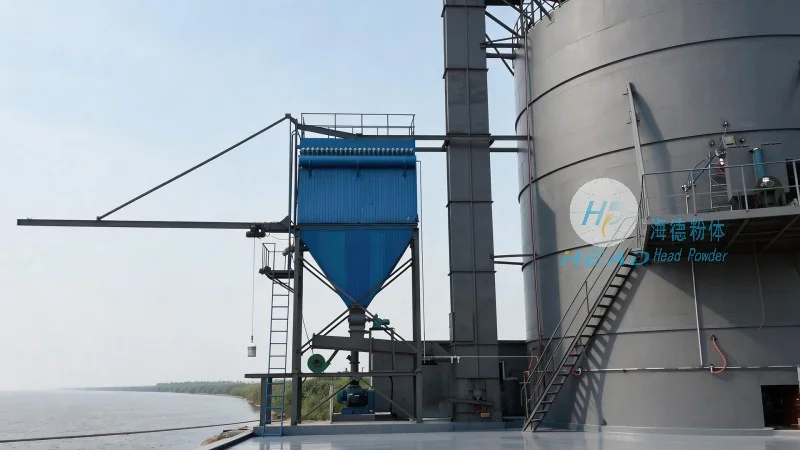
Introduction to Sodium Hexafluorophosphate Powder Pneumatic Conveying
Sodium hexafluorophosphate (NaPF₆) is a white crystalline powder commonly used in various industrial applications, including as a precursor in the production of high-purity silicon and as a component in certain chemical synthesis processes. The need to transport this powder efficiently and safely has led to the development of specialized pneumatic conveying systems. These systems are designed to handle the unique properties of NaPF₆, such as its particle size, density, and reactivity, while minimizing the risk of dust generation and material degradation.
Key Components of a Pneumatic Conveying System for Sodium Hexafluorophosphate
The core components of a pneumatic conveying system for sodium hexafluorophosphate powder typically include a material feed hopper, a conveying line (often with multiple sections), a gas source (usually a blower or compressor), and a collection or discharge unit. The feed hopper is designed to store and meter the powder into the conveying line, ensuring a consistent flow rate. The conveying line may consist of straight sections, bends, and sometimes expansion or contraction sections to accommodate changes in particle velocity and pressure. The gas source provides the necessary pressure or velocity to move the powder particles through the line. Finally, the collection or discharge unit receives the conveyed powder and directs it to its final destination, such as a storage silo or processing equipment.
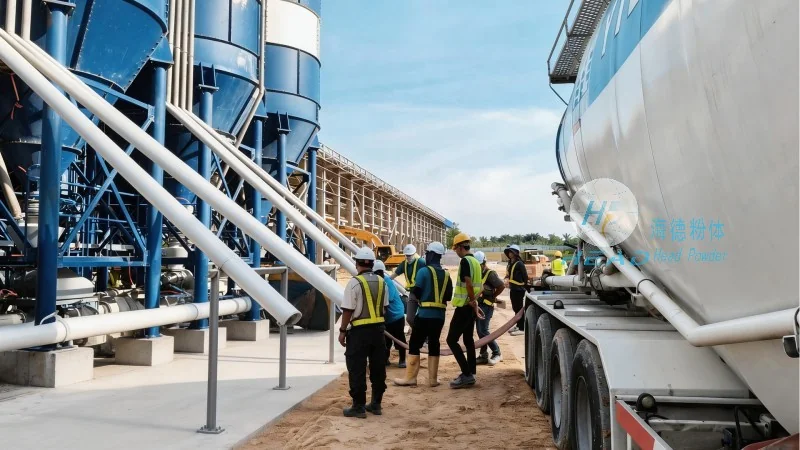
Design Principles for Efficient and Safe Conveying
Designing an effective pneumatic conveying system for sodium hexafluorophosphate powder requires careful consideration of several key principles. First, the system must be designed to handle the specific particle characteristics of NaPF₆, including its particle size distribution, density, and flowability. This ensures that the powder can be conveyed without excessive pressure drops or blockages. Second, the system must incorporate appropriate dust control measures to prevent the release of fine particles into the environment, which is essential for maintaining workplace safety and compliance with environmental regulations. Third, the system should be engineered to minimize the risk of material degradation, such as agglomeration or chemical reactions, during the conveying process. This may involve controlling the temperature and pressure within the system and using appropriate materials for the conveying components.
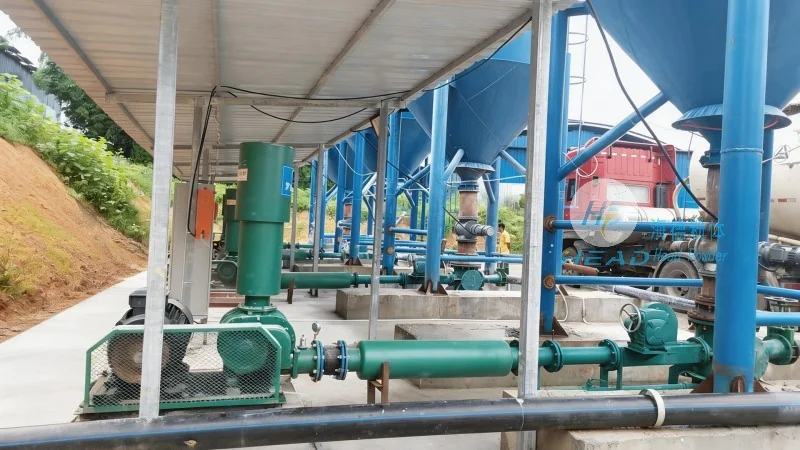
Applications and Benefits of Pneumatic Conveying for Sodium Hexafluorophosphate
The use of pneumatic conveying for sodium hexafluorophosphate powder offers several advantages over traditional bulk handling methods. These include reduced labor costs, improved safety by eliminating manual handling of powders, and increased efficiency in material transport. Additionally, pneumatic conveying systems can be integrated with other processing equipment, such as reactors or reactors, to create a continuous production line. This integration helps to streamline operations and improve overall productivity. The benefits of using a well-designed pneumatic conveying system for sodium hexafluorophosphate powder are particularly evident in industries where high-purity materials are required, as the system minimizes the risk of contamination and ensures consistent product quality.
Conclusion
In conclusion, the pneumatic conveying of sodium hexafluorophosphate powder is a sophisticated process that relies on carefully designed systems to ensure efficient and safe material handling. The design principles outlined above, including consideration of particle properties, dust control, and system integration, are essential for optimizing the performance of these systems. By understanding and implementing these principles, industries can effectively utilize sodium hexafluorophosphate in their production processes while maintaining high standards of safety and efficiency.