

[Dry Flue Gas Desulfurization Agent Powder Pneumatic Conveying: What It Is and Its Design Principles
Dry flue gas desulfurization (FGD) is a critical process in power plants and industrial facilities aimed at reducing sulfur dioxide emissions. A key component of this process involves the efficient handling and transportation of dry FGD agents, which are typically fine powders. Pneumatic conveying is a widely adopted method for transporting these powders due to its advantages in terms of safety, cost-effectiveness, and operational flexibility. This article explores the concept of dry FGD agent powder pneumatic conveying and delves into the fundamental design principles that underpin its successful implementation.
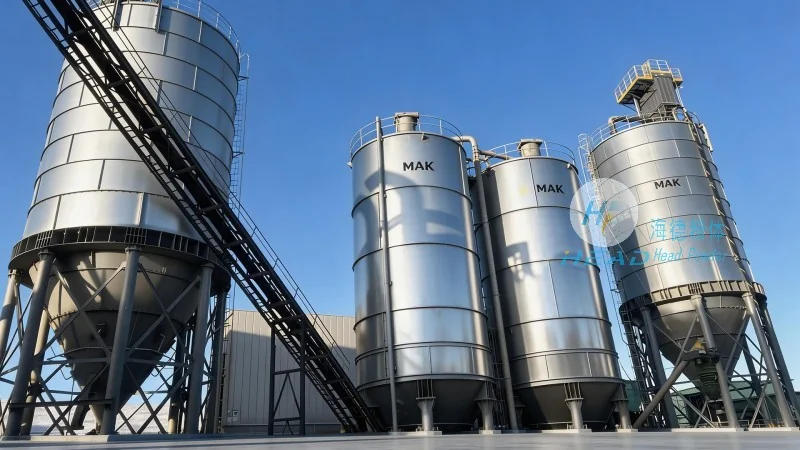
Understanding Dry Flue Gas Desulfurization Agent Powder Pneumatic Conveying
Pneumatic conveying systems are used to transport dry FGD agent powders from storage silos or reactors to the points of application, such as spray nozzles or reaction chambers. The process relies on the use of air or other gases to create a flow that moves the powder particles through a pipeline. This method is preferred over traditional mechanical conveying systems because it eliminates the need for moving parts that can cause wear and tear, reduces the risk of dust explosions, and allows for more precise control over the flow rate and particle distribution.
The Core Components of Pneumatic Conveying Systems
Effective pneumatic conveying of dry FGD agent powders requires a well-designed system that integrates several key components. These typically include a material feed device, a conveying line (often equipped with bends and expansion joints), a gas source (such as a blower or compressor), and a separation or collection system. The material feed device is responsible for introducing the powder into the conveying line, while the gas source provides the necessary pressure or velocity to move the particles. The conveying line must be designed to withstand the pressure and temperature conditions of the system, and the separation system is crucial for removing the powder from the gas stream at the destination point.
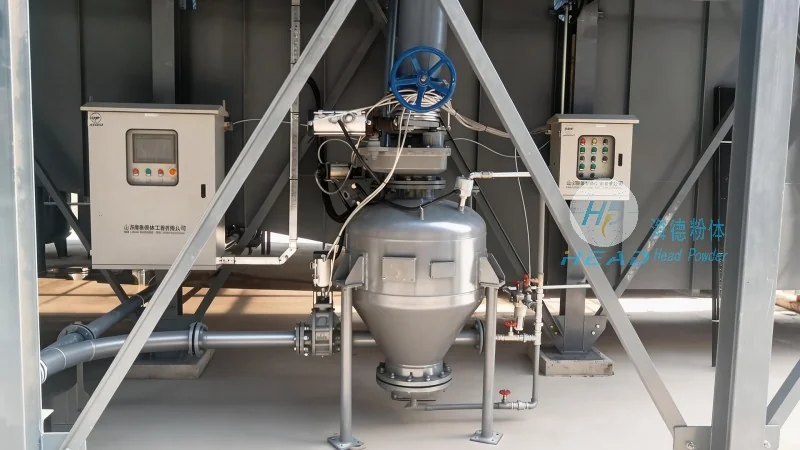
Design Principles for Optimal Pneumatic Conveying
The design of a pneumatic conveying system for dry FGD agent powders must consider several critical factors to ensure efficiency, reliability, and safety. First, the system must be sized appropriately to handle the required flow rate and particle size distribution of the powder. This involves selecting the right type of gas source and conveying line diameter. Second, the system must be designed to minimize pressure drop and energy consumption. This can be achieved by optimizing the pipeline layout, using appropriate bends and fittings, and selecting the right gas velocity. Third, the system must incorporate safety features to prevent dust explosions and ensure proper operation under varying conditions. This includes the use of explosion-proof components and proper ventilation systems.
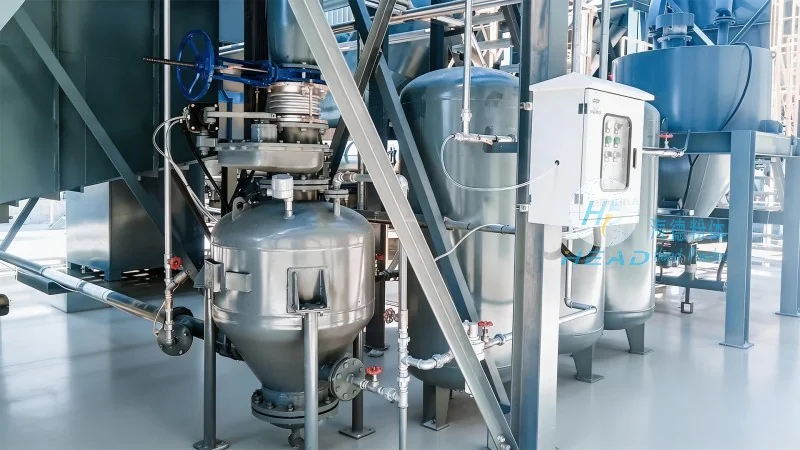
HeadPowder: A Leader in Pneumatic Conveying Solutions
Shandong HeadPowder Engineering Co., Ltd., commonly known as HeadPowder, is a prominent manufacturer and supplier of pneumatic conveying systems and related equipment for the dry FGD industry. With a focus on innovation and quality, HeadPowder has developed advanced solutions that meet the demanding requirements of modern power plants and industrial facilities. The company’s expertise lies in designing customized systems that optimize the handling of dry FGD agent powders, ensuring efficient operation and minimal downtime. HeadPowder’s products are engineered to provide reliable performance, high efficiency, and long service life, making them a trusted choice for clients worldwide.
Conclusion: The Importance of Proper Design and Implementation
In conclusion, the pneumatic conveying of dry flue gas desulfurization agent powders is a vital process that requires careful consideration of design principles and system components. By understanding the fundamental concepts and implementing the right design, facilities can achieve efficient and safe transportation of these critical powders. Companies like Shandong HeadPowder Engineering Co., Ltd. play a crucial role in providing the expertise and equipment needed to implement these systems effectively, contributing to the overall success of flue gas desulfurization operations.