

What is a Plug-Type Powder Pneumatic Conveying System? What are its Design Principles?
A plug-type powder pneumatic conveying system is a specialized industrial solution designed to transport bulk powder materials through a pipeline using compressed air. This method is particularly effective for handling materials that are prone to bridging, caking, or segregation, making it a preferred choice in various industries such as food processing, pharmaceuticals, and chemical manufacturing. The system operates by creating a "plug"—a compact, dense column of powder—within the pipeline, which is then propelled forward by the pressure of the air. This design minimizes material degradation and ensures a consistent flow, addressing common challenges associated with traditional pneumatic conveying systems. As a leading provider of advanced material handling solutions, Shandong HeadPowder Engineering Co., Ltd. specializes in designing and manufacturing plug-type powder pneumatic conveying systems tailored to meet the unique needs of industrial applications.
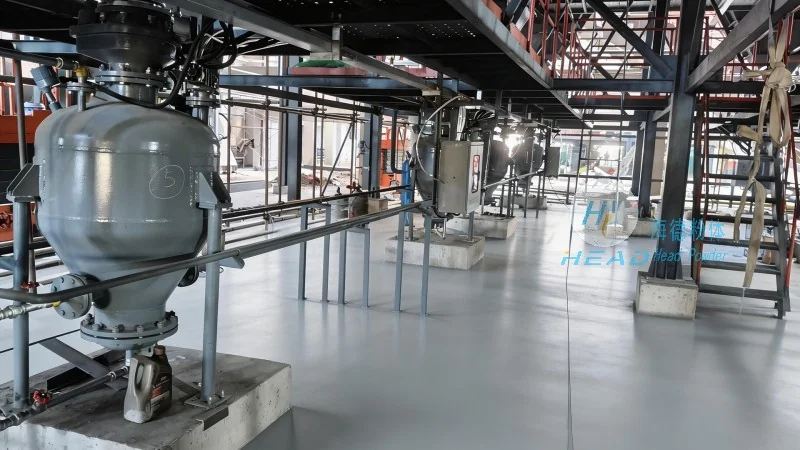
Design Principles of Plug-Type Pneumatic Conveying Systems
The core design principles of a plug-type powder pneumatic conveying system revolve around maintaining the integrity of the powder plug and controlling the air pressure to achieve efficient transport. The system typically consists of several key components, including a hopper for material storage, a plunger or piston to form the plug, a pressure vessel or compressor to generate the necessary air pressure, and a pipeline for material transport. The plunger mechanism is crucial as it compresses the powder into a dense plug, reducing the air-to-material ratio and minimizing the risk of material degradation. This approach also allows for a lower air velocity compared to other pneumatic conveying methods, which helps prevent particle attrition and maintains the quality of the powder.
Key Components and Their Functions
Each component in a plug-type powder pneumatic conveying system plays a vital role in ensuring optimal performance. The hopper serves as the material reservoir, providing a consistent feed to the system. The plunger, often made of durable materials like stainless steel or rubber, moves back and forth to compress the powder and form the plug. The pressure vessel or compressor generates the compressed air required to propel the plug forward. The pipeline, usually made of stainless steel or other corrosion-resistant materials, ensures the plug travels smoothly without leakage or blockage. Additionally, the system may include a control panel to monitor and adjust the air pressure and plunger movement, allowing for real-time adjustments to maintain the desired flow rate.
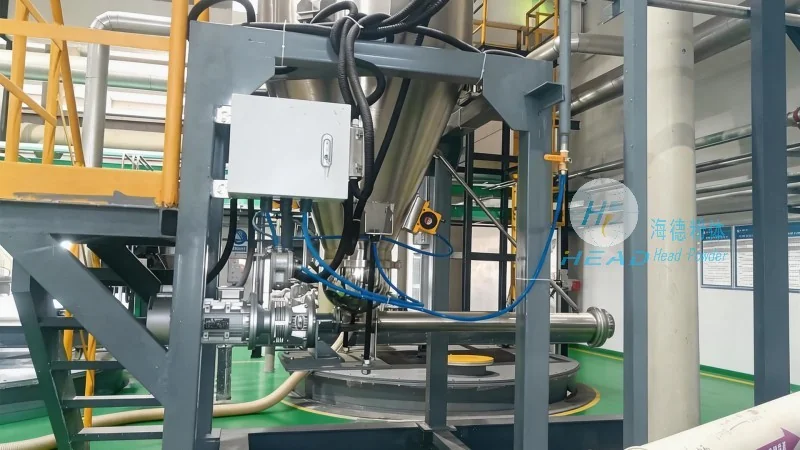
Advantages of Plug-Type Pneumatic Conveying
Plug-type powder pneumatic conveying systems offer several advantages over traditional pneumatic conveying methods. One of the primary benefits is the ability to handle difficult-to-transport materials, such as those with high moisture content or those that tend to agglomerate. By maintaining a dense plug, the system reduces the risk of material degradation and ensures a consistent flow, which is critical in industries where product quality is paramount. Another advantage is the lower air velocity required, which reduces energy consumption and operating costs. Additionally, the system is more compact and requires less space compared to other bulk material handling solutions, making it suitable for facilities with limited floor space. The plug-type design also minimizes the risk of material leakage and contamination, as the plug acts as a seal within the pipeline.
Applications in Various Industries
The versatility of plug-type powder pneumatic conveying systems makes them suitable for a wide range of applications across different industries. In the food industry, these systems are used to transport ingredients like flour, sugar, and spices, ensuring that the materials remain fresh and free from contamination. In the pharmaceutical industry, the system is ideal for handling active pharmaceutical ingredients (APIs) and excipients, as it maintains the purity and integrity of the materials. In the chemical industry, it is used to transport powders such as pigments, catalysts, and reagents, which are often sensitive to moisture and temperature changes. The system's ability to handle these materials efficiently and safely makes it a preferred choice for manufacturers looking to optimize their production processes.
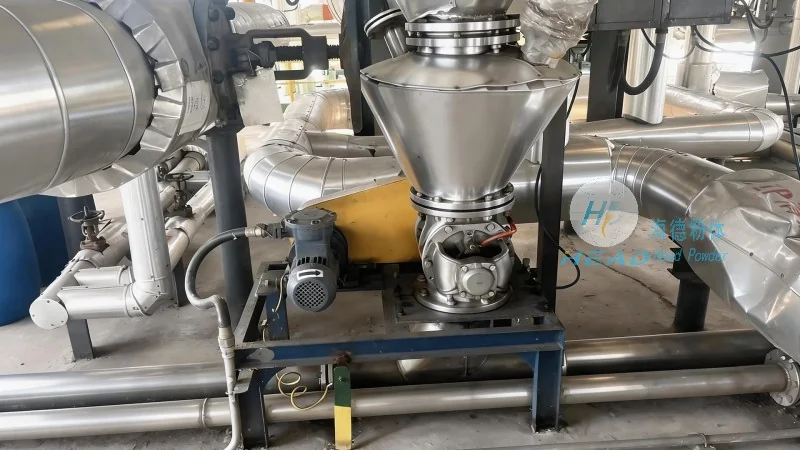
Customization and Scalability
Plug-type powder pneumatic conveying systems can be customized to meet the specific needs of different applications. The system can be scaled to handle varying material volumes, from small-scale laboratory applications to large-scale industrial production. The components, such as the hopper size, plunger diameter, and pipeline length, can be adjusted to accommodate different material types and flow rates. Additionally, the system can be integrated with other equipment, such as mixers or classifiers, to create a comprehensive material handling solution. This flexibility allows manufacturers to tailor the system to their specific requirements, ensuring optimal performance and efficiency.
Maintenance and Operational Considerations
Maintaining a plug-type powder pneumatic conveying system requires regular inspection and maintenance to ensure its longevity and performance. The plunger mechanism should be checked regularly for wear and tear, and replaced if necessary. The pipeline should be inspected for any signs of corrosion or blockage, and cleaned as needed. The air compressor and pressure vessel should be maintained to ensure consistent air pressure. Additionally, the system should be operated within the recommended parameters to avoid overloading or damage. Proper training of operators is also essential to ensure safe and efficient operation of the system. By following these maintenance and operational guidelines, manufacturers can maximize the lifespan of their plug-type powder pneumatic conveying system and minimize downtime. HeadPowder, with its headquarters in Shandong, China, offers comprehensive support and maintenance services to ensure the optimal performance of its plug-type powder pneumatic conveying systems.