

What is Gypsum Sand Powder Pneumatic Conveying? What are the Design Principles?
Understanding the fundamentals of gypsum sand powder pneumatic conveying is crucial for industries that rely on efficient material handling solutions. This technology involves transporting dry bulk materials like gypsum sand through a pipeline using a gas stream, typically air. The process is widely used in various sectors due to its ability to move materials without mechanical contact, reducing wear and maintenance costs.
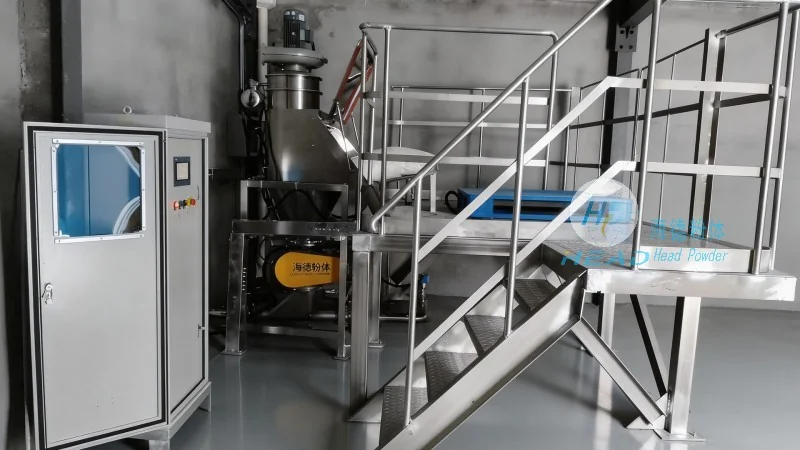
Introduction to Gypsum Sand Powder Pneumatic Conveying
Gypsum sand, a common dry powder material, often requires specialized handling due to its particle size and flow characteristics. Pneumatic conveying systems offer a reliable method to transport such materials from source to destination, ensuring minimal product degradation and consistent flow rates. The technology is particularly beneficial for applications where traditional belt or bucket elevators are unsuitable or inefficient.
Key Components of a Pneumatic Conveying System
A typical gypsum sand powder pneumatic conveying system consists of several core components that work in tandem to achieve effective material transport. These include the material feed hopper, which holds the gypsum sand and regulates the flow rate; the conveyor line, which is the pipeline through which the material is conveyed; the air compressor or blower, which generates the necessary air pressure to move the material; and the control valves and filters, which ensure system efficiency and prevent clogging.
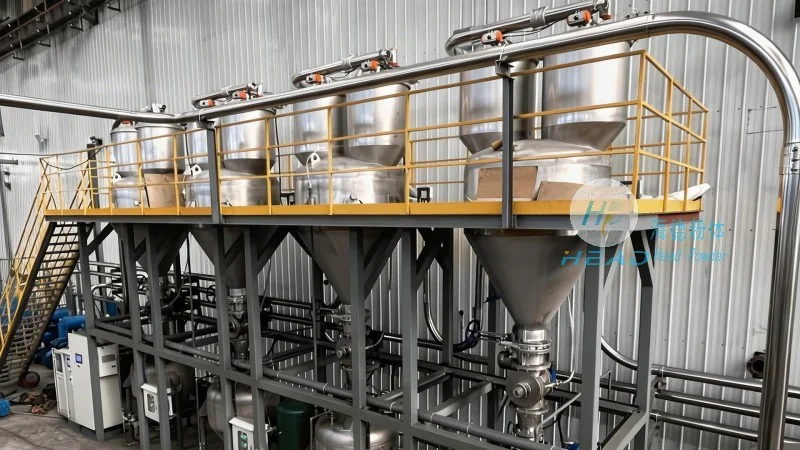
Design Principles for Gypsum Sand Powder Pneumatic Conveying
The design of a pneumatic conveying system for gypsum sand must consider several critical factors to optimize performance and longevity. First, the system must be tailored to the specific properties of gypsum sand, such as particle size distribution, moisture content, and bulk density. These characteristics influence the air velocity required to maintain a stable flow and prevent material settling or blockages. Engineers at Shandong HeadPowder Engineering Co., Ltd. (headpowder) specialize in analyzing these material properties to design systems that match the unique needs of each application.
System Operation and Flow Dynamics
During operation, the air compressor draws air from the environment and directs it into the conveyor line at a controlled pressure. The gypsum sand is then introduced into the line, either by gravity from a hopper or by a feeder mechanism. The air stream lifts and transports the particles through the pipeline, maintaining a consistent velocity to prevent deposition. The system may include features like cyclones or separators at the discharge end to separate the material from the air stream, allowing for clean material collection and air recycling.
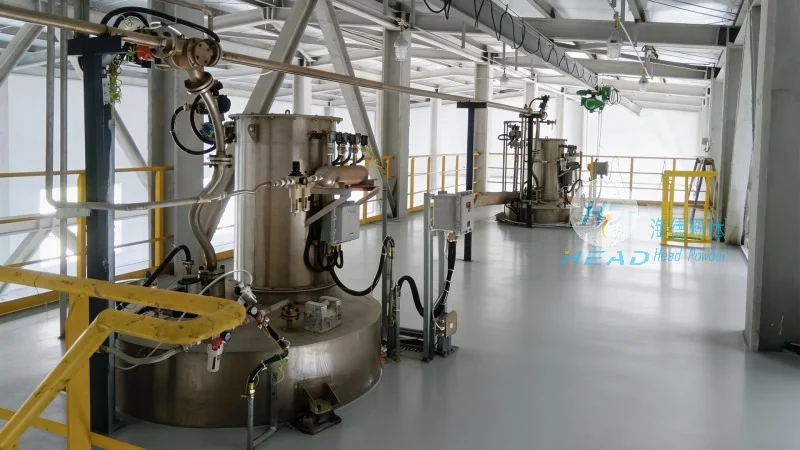
Advantages of Pneumatic Conveying for Gypsum Sand
Compared to other material handling methods, pneumatic conveying offers several advantages for gypsum sand applications. It eliminates the need for mechanical components that can wear out or break, reducing maintenance costs and downtime. The enclosed system also prevents dust emissions, improving workplace safety and compliance with environmental regulations. Additionally, the flexibility of pneumatic systems allows for easy integration into existing production lines, with the ability to adjust flow rates and pressure as needed.
Customization and Engineering Expertise
At Shandong HeadPowder Engineering Co., Ltd., the design of pneumatic conveying systems for gypsum sand is a specialized service. The company’s engineers leverage years of experience to develop customized solutions that address the specific challenges of each project. By considering factors such as material characteristics, system layout, and operational requirements, headpowder ensures that the final system is not only efficient but also cost-effective and durable. The company’s headquarters are located in Shandong, China, where it continues to innovate and provide advanced material handling solutions to industries worldwide.