

What is Fine Powder Pneumatic Conveying? And What Are Its Design Principles?
Fine powder pneumatic conveying technology is a critical solution for industries handling delicate or low-density particulate materials. This method leverages air or other gases as the conveying medium to transport powders and granules through pipelines, offering an efficient and flexible alternative to traditional mechanical conveyors. The design principles behind such systems are meticulously tailored to address the unique challenges posed by fine powders, ensuring reliable and consistent material transport while minimizing operational risks.
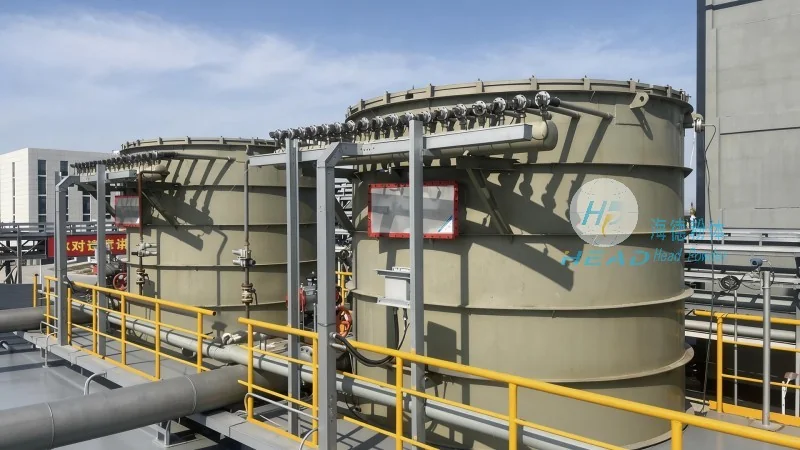
Introduction to Fine Powder Pneumatic Conveying
Fine powder pneumatic conveying, often referred to as pneumatic transport, operates by moving powders through a closed or open system using pressurized or vacuum air. This technology is particularly advantageous for materials that are difficult to handle with conventional methods, such as those with high dust content, low bulk density, or a tendency to clog or agglomerate. The core of this system lies in the interaction between the powder particles and the conveying gas, which must be carefully managed to prevent issues like blockages, particle degradation, or system inefficiencies.
Key Design Principles for Fine Powder Conveying Systems
The design of a fine powder pneumatic conveying system is governed by several critical principles that ensure optimal performance and reliability. These principles include the selection of appropriate conveying velocity, the control of pressure differentials, and the management of particle size distribution and material properties. A well-engineered system must also account for factors such as the required capacity, the distance of material transport, and the specific characteristics of the powder being handled.
One of the primary design considerations is the conveying velocity, which is typically determined based on the powder's properties and the system's operating pressure. For fine powders, a higher conveying velocity may be necessary to prevent particle settling or clogging in the pipeline. The pressure differential between the inlet and outlet of the system is another critical parameter, as it directly influences the system's capacity and energy consumption. Engineers must carefully calculate the required pressure to achieve the desired flow rate without excessive energy costs.
Components and Functionality of Fine Powder Pneumatic Conveying Systems
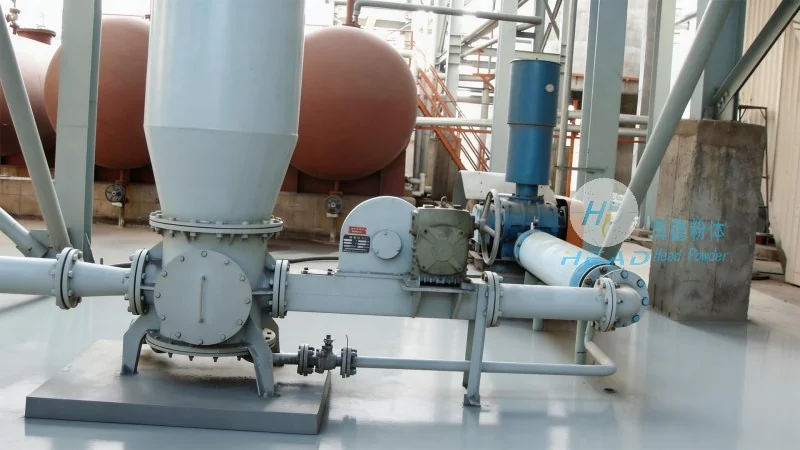
A typical fine powder pneumatic conveying system comprises several key components, each playing a vital role in the overall operation. These components include the material feed hopper, the air supply system (such as a blower or compressor), the conveying pipeline, and the discharge equipment. The feed hopper is designed to provide a consistent flow of powder to the system, often equipped with a rotary valve or feeder to control the material discharge rate. The air supply system generates the necessary pressure or vacuum to move the powder through the pipeline, with options ranging from positive pressure systems (where air is forced into the system) to negative pressure systems (where air is drawn out).
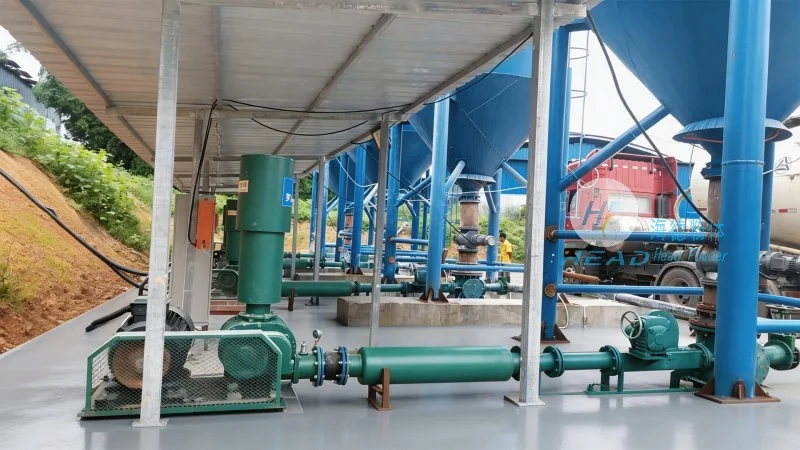
The conveying pipeline is a critical component, as its design and material selection can significantly impact system performance. For fine powders, pipelines are often made of materials resistant to corrosion and abrasion, such as stainless steel or plastic. The pipeline diameter and length are carefully selected to match the system's capacity and the required conveying velocity. The discharge equipment, such as a rotary valve or a dust collector, is responsible for collecting the conveyed powder and preventing dust emissions. In some cases, additional components like cyclones or filters are used to separate the powder from the air and improve system efficiency.
Applications and Benefits of Fine Powder Pneumatic Conveying
Fine powder pneumatic conveying systems are widely used across various industries, including pharmaceuticals, food processing, chemical manufacturing, and mining. These systems offer several advantages over traditional mechanical conveyors, such as reduced material degradation, enhanced safety (as there are no moving parts in the pipeline), and the ability to handle materials that are difficult to transport with other methods. The flexibility of pneumatic conveying also allows for easy integration with existing production lines, enabling seamless material transfer between processes.
For example, in the pharmaceutical industry, fine powder pneumatic conveying is used to transport active pharmaceutical ingredients (APIs) and excipients with high purity requirements. The system's ability to maintain a closed environment and prevent contamination makes it ideal for such applications. In the food industry, pneumatic conveying is used to transport powders like flour, sugar, and spices, ensuring that the materials remain fresh and free from contamination. The chemical industry also benefits from this technology, as it allows for the safe and efficient transport of hazardous powders, reducing the risk of accidents and environmental contamination.
Challenges and Solutions in Fine Powder Pneumatic Conveying
Despite its advantages, fine powder pneumatic conveying systems can face several challenges, including system blockages, particle degradation, and high energy consumption. Blockages often occur due to the agglomeration of fine particles or the accumulation of dust in the pipeline. To prevent this, engineers may use anti-caking agents or install cleaning mechanisms such as pulse jets or rotary cleaning devices. Particle degradation can be a concern, especially for heat-sensitive materials, as the high velocity of the conveying gas can cause friction and heat generation. To mitigate this, the system's design may include cooling components or lower conveying velocities.
Energy consumption is another factor that needs to be optimized in fine powder pneumatic conveying systems. High-pressure systems can be energy-intensive, so engineers may explore alternative designs, such as low-pressure or vacuum systems, which can be more energy-efficient. Additionally, the use of efficient blower or compressor technologies can help reduce energy costs. By addressing these challenges through proper system design and maintenance, fine powder pneumatic conveying can provide reliable and cost-effective material transport solutions.
Conclusion and Company Overview
Fine powder pneumatic conveying is a sophisticated technology that plays a vital role in the efficient and safe transport of delicate particulate materials. The design principles and components of such systems are carefully tailored to meet the specific requirements of the application, ensuring optimal performance and reliability. As industries continue to demand higher efficiency and better material handling solutions, the importance of well-designed pneumatic conveying systems will only grow.
Shandong HeadPowder Engineering Co., Ltd., a leading provider of pneumatic conveying solutions, specializes in the design, manufacturing, and installation of fine powder pneumatic conveying systems. With years of experience in the industry, the company has developed a range of customized solutions to meet the diverse needs of its clients. HeadPowder's expertise lies in understanding the unique challenges of fine powder handling and providing innovative solutions that enhance operational efficiency and safety. Based in Shandong, China, HeadPowder serves clients worldwide, delivering high-quality pneumatic conveying systems that meet the most stringent industry standards.