Comparison of Common Asphalt Powder Conveying Methods
Release time:2026-09-10 18:22:19
name of the company:Shandong Headpowder Engineering Co., Ltd.
telephone:156-6277-7102
contacts:Zhang manager
Asphalt powder, also known as filler or mineral filler in asphalt mixtures, plays a crucial role in enhancing the performance of asphalt concrete. The efficient and reliable conveyance of asphalt powder from storage to mixing or application sites is essential for maintaining consistent quality and productivity in road construction projects. Various conveying methods have been developed to meet the diverse needs of different construction scenarios, each with its own advantages and limitations. This article provides a detailed comparison of common asphalt powder conveying methods, focusing on their operational principles, key features, and typical applications. The information is presented by Shandong HeadPowder Engineering Co., Ltd., a leading provider of asphalt powder handling solutions based in China, with a focus on practical and industry-validated approaches.
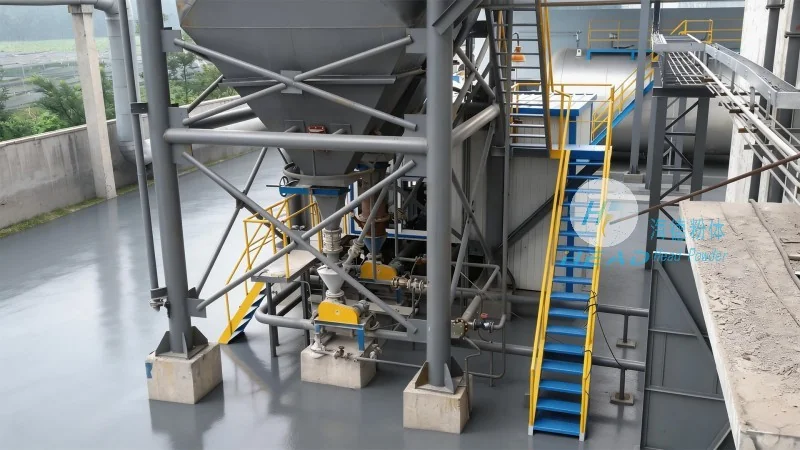
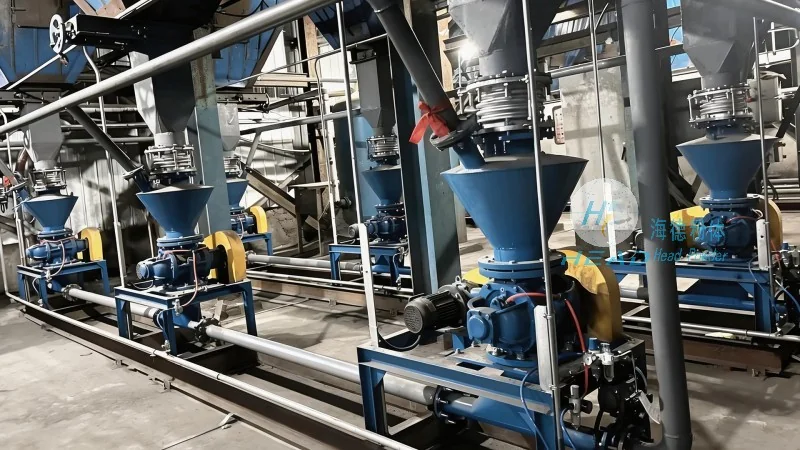
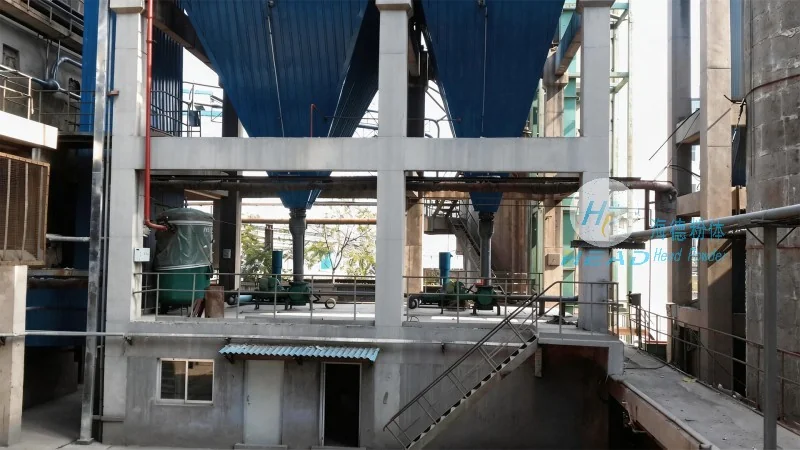
Pipeline Conveying for Asphalt Powder
Pipeline conveying, also referred to as pneumatic or hydraulic pipeline systems, is a widely used method for transporting asphalt powder over medium to long distances. This method involves the use of a closed pipeline system where the asphalt powder is conveyed using compressed air or a liquid medium (such as water or oil) under pressure. The pipeline system typically consists of a series of pipes, valves, and control units that regulate the flow rate and pressure. One of the primary advantages of pipeline conveying is its ability to transport large volumes of material continuously without the need for manual handling. The system can be designed to operate at high pressures, allowing for efficient transport over distances of several kilometers. However, pipeline conveying requires significant infrastructure investment, including the installation of pipelines, pumps, and control equipment. Maintenance of the pipeline system is also crucial to prevent leaks or blockages, which can disrupt the conveying process. In addition, the system may require regular cleaning to remove accumulated material, especially in cases where the asphalt powder has a high moisture content or contains fine particles that can cause clogging. Despite these considerations, pipeline conveying remains a popular choice for large-scale construction projects where the cost of infrastructure is justified by the efficiency and reliability it provides. Shandong HeadPowder Engineering Co., Ltd. specializes in designing and implementing pipeline conveying systems tailored to the specific requirements of road construction projects, ensuring optimal performance and minimal downtime.
Airborne (Pneumatic) Conveying Systems
Airborne or pneumatic conveying is another common method for transporting asphalt powder, particularly in applications where the material needs to be moved over shorter distances or in environments where dust control is a priority. This method utilizes a system of ducts and fans to create a flow of air that carries the asphalt powder particles through the conveying line. The air velocity is carefully controlled to ensure that the powder is suspended and transported without causing excessive wear on the ductwork or equipment. Pneumatic conveying systems can be either positive pressure or negative pressure, depending on the specific application requirements. Positive pressure systems use fans to force air and material through the ducts, while negative pressure systems use suction to draw the material into the system. One of the key advantages of pneumatic conveying is its ability to handle a wide range of particle sizes and moisture contents, making it suitable for various types of asphalt powders. The system is also relatively compact and can be easily integrated into existing construction setups. However, pneumatic conveying may not be as efficient for very long distances or high-volume applications, as the energy consumption increases with the length of the conveying line. Additionally, the system requires careful design to prevent dust emissions, as the air used for conveying can become contaminated with fine particles. Proper filtration and dust collection systems are essential to maintain air quality and comply with environmental regulations. Overall, pneumatic conveying is an effective solution for many asphalt powder conveying needs, especially in scenarios where flexibility and dust control are important factors. Shandong HeadPowder Engineering Co., Ltd. offers pneumatic conveying solutions that incorporate advanced dust control technologies to meet the stringent environmental standards of modern construction projects.




