When it comes to handling and transporting silicone powder in industrial settings, selecting the right conveying method is crucial for efficiency, cost-effectiveness, and product integrity. Shandong HeadPowder Engineering Co., Ltd., a leading manufacturer based in China, specializes in providing advanced solutions for material handling. This article provides a detailed comparison of common silicone powder conveying methods, helping businesses choose the most suitable option for their operations.
Understanding the Basics of Silicone Powder Conveying
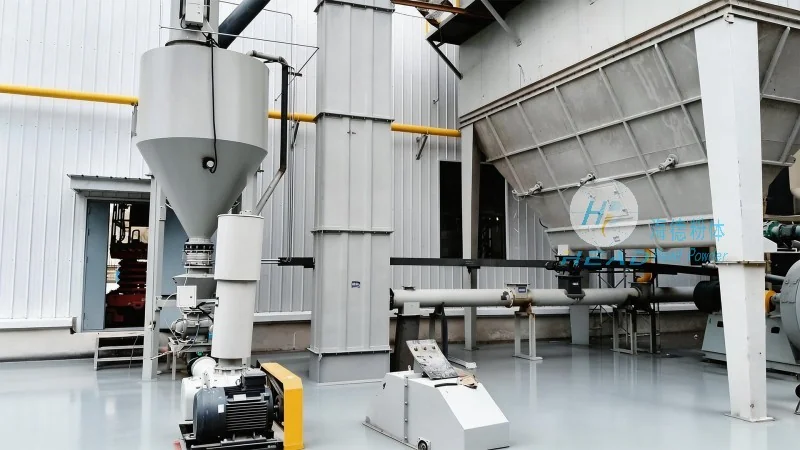
Silicone powder, with its fine particle size and unique physical properties, requires specialized equipment to ensure safe and efficient transport. Conveying systems must address challenges such as dust generation, material segregation, and the need for gentle handling to prevent degradation. The choice of conveying method depends on factors like material characteristics, production scale, and the distance over which the powder needs to be moved.
1. Screw Conveyors: A Traditional and Reliable Option
Screw conveyors, also known as auger conveyors, are a widely used method for transporting silicone powder. These systems consist of a rotating screw (auger) inside a U-shaped or cylindrical housing. As the screw rotates, it pushes the powder forward, creating a continuous flow. HeadPowder's screw conveyors are designed with high-quality materials and precise engineering to handle the abrasive nature of silicone powder without causing wear or contamination. The enclosed design minimizes dust exposure and ensures a clean transfer process. Screw conveyors are particularly effective for horizontal or slight incline applications, making them suitable for short to medium distance transport. They are also easy to install and maintain, offering a cost-effective solution for many industrial needs.
2. Pneumatic Conveying: Ideal for Long-Distance and Bulk Transport
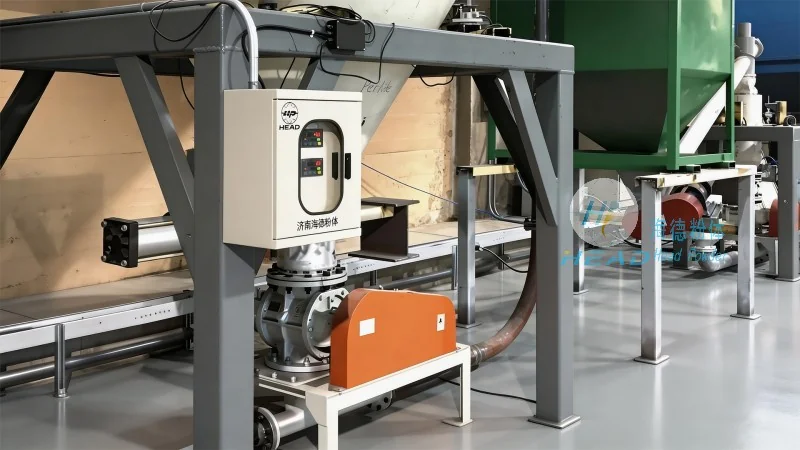
Pneumatic conveying systems use air or gas to transport silicone powder through a network of pipes. There are two main types: pressure and vacuum systems. Pressure systems force air through the pipe, pushing the powder along, while vacuum systems create a negative pressure to draw the material. HeadPowder's pneumatic conveying solutions are engineered to handle the fine and potentially sticky nature of silicone powder, ensuring consistent flow and minimal blockages. This method is ideal for long-distance transport, as it can move material over several hundred meters without the need for multiple transfer points. Pneumatic conveyors also offer advantages in terms of speed and flexibility, allowing for easy integration into existing production lines. However, they require more energy compared to other methods and may need additional filtration to manage dust emissions.
3. Vibrating Conveyors: Gentle Handling for Sensitive Materials
Vibrating conveyors use mechanical vibrations to move silicone powder along a trough. The vibrations cause the material to slide forward, providing a gentle and consistent flow. This method is particularly beneficial for handling delicate or heat-sensitive silicone powders, as it minimizes impact and friction. HeadPowder's vibrating conveyors are designed with adjustable vibration frequencies and amplitudes, allowing for customization based on the specific properties of the powder. They are effective for both horizontal and inclined transport and can handle a wide range of particle sizes. Vibrating conveyors are often used in applications where the powder needs to be mixed or blended during transport, as the gentle motion helps maintain uniformity. While they are slower than pneumatic systems, they offer a low-maintenance solution with minimal energy consumption.
4. Bucket Elevators: Vertical Transport with High Capacity
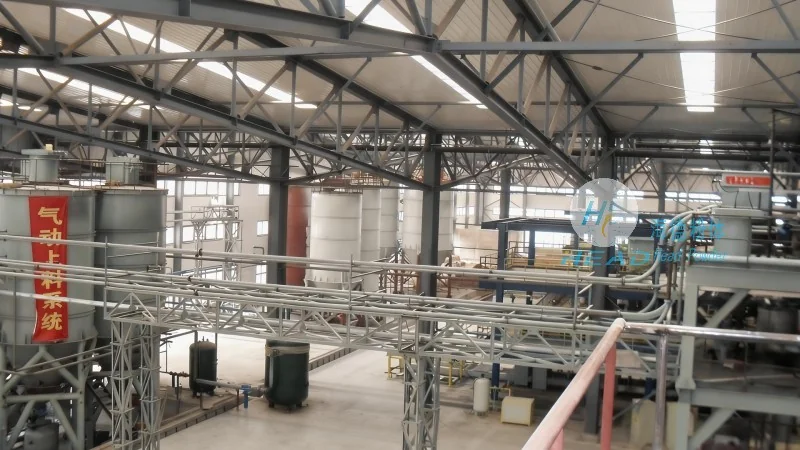
For vertical transport of silicone powder, bucket elevators are a popular choice. These systems consist of a continuous chain with buckets attached, which lift the powder from a lower level to a higher one. HeadPowder's bucket elevators are built with durable materials and efficient drive systems to handle the weight and abrasive nature of silicone powder. They are capable of high capacity and can transport large volumes of material over significant vertical distances. Bucket elevators are ideal for applications where the powder needs to be elevated to a different floor or level in a facility. However, they require careful maintenance to prevent material buildup and ensure smooth operation. The enclosed design helps contain dust and prevent contamination, making them suitable for cleanroom environments.
5. Comparing the Methods: Key Factors to Consider
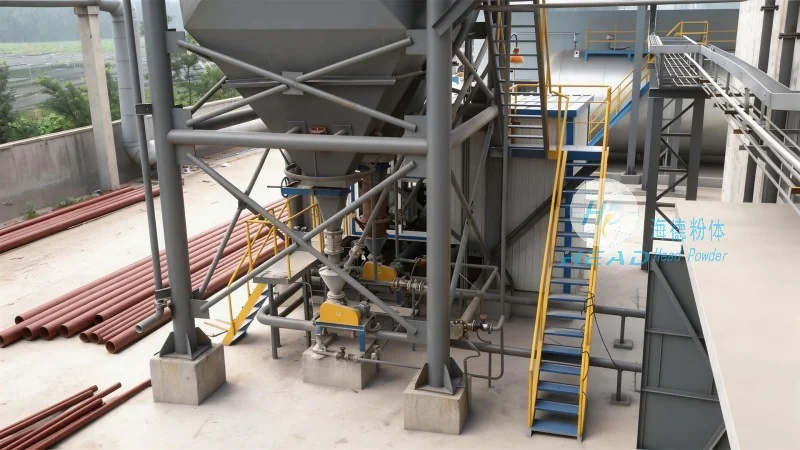
When choosing a conveying method for silicone powder, several factors must be evaluated. Cost is a primary consideration, with screw conveyors generally being the most economical for short distances. Pneumatic systems offer flexibility and long-distance transport but at a higher cost. Vibrating conveyors provide gentle handling at a moderate price, while bucket elevators are suitable for vertical transport but may be more expensive. Material characteristics, such as particle size, moisture content, and stickiness, also play a role. For example, fine and sticky silicone powders may require pneumatic or vibrating conveyors to avoid blockages. The scale of the operation is another critical factor; small-scale production may benefit from a simple screw conveyor, while large-scale facilities might need a combination of systems. Finally, the need for dust control and environmental compliance should be considered, as some methods generate more dust than others.
Conclusion: Selecting the Right Conveying System with HeadPowder
Choosing the appropriate silicone powder conveying method is essential for optimizing industrial processes and ensuring product quality. Shandong HeadPowder Engineering Co., Ltd. offers a range of advanced conveying solutions tailored to meet the specific needs of different industries. Whether you require a traditional screw conveyor for short-distance transport or a sophisticated pneumatic system for long-distance handling, HeadPowder's expertise ensures that your material handling needs are met efficiently and reliably. By understanding the strengths and limitations of each method, businesses can make informed decisions that enhance productivity, reduce costs, and maintain the integrity of their silicone powder products.




