When it comes to the transportation of calcium hydroxide powder, selecting the right conveying method is crucial for ensuring efficiency, safety, and cost-effectiveness in industrial applications. Calcium hydroxide, also known as slaked lime, is widely used in various industries such as construction, water treatment, and chemical manufacturing. The choice of conveying method directly impacts the overall performance of production lines and the quality of the final product. This article provides a detailed comparison of common calcium hydroxide powder conveying methods, highlighting their advantages and disadvantages to help industrial operators make informed decisions.
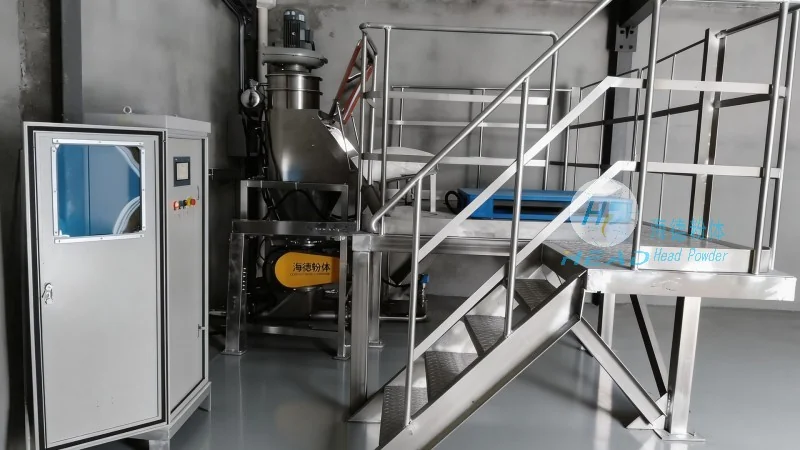
Introduction to Calcium Hydroxide Powder and Conveying Challenges
Calcium hydroxide powder is a fine, white powder with a Mohs hardness of about 1.5, making it relatively easy to handle but also prone to dust generation and caking under certain conditions. The material's hygroscopic nature means it can absorb moisture from the air, leading to clumping and blockages in conveying systems. Additionally, its relatively low bulk density compared to other powders requires specialized equipment to move it efficiently without excessive energy consumption. These challenges necessitate the use of appropriate conveying methods that can handle the material's characteristics while minimizing operational issues.
Common Conveying Methods for Calcium Hydroxide Powder
Several methods are commonly employed for transporting calcium hydroxide powder, each with its own set of advantages and limitations. The primary methods include pneumatic conveying, screw conveyors, and pump-based systems. Each method is suitable for different production scales, material properties, and operational environments.
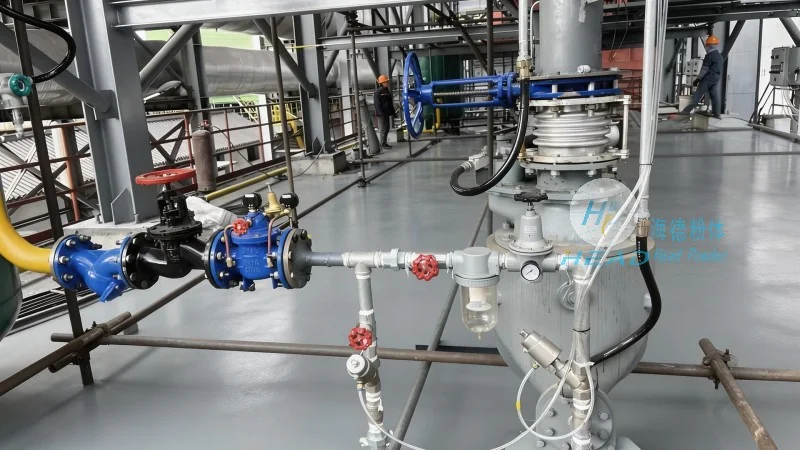
Pneumatic Conveying: Advantages and Disadvantages
Pneumatic conveying uses air or other gases to transport powders through a pipeline system. This method is particularly effective for calcium hydroxide powder due to its ability to handle fine particles and prevent material degradation. One of the key advantages of pneumatic conveying is its flexibility in routing, as the pipeline can be installed in various configurations to suit the layout of a production facility. This flexibility reduces the need for complex machinery and allows for easy integration with existing systems. Additionally, pneumatic systems can operate at relatively low pressures, minimizing the risk of material breakage and reducing energy costs. However, pneumatic conveying also has significant drawbacks. The primary disadvantage is the high energy consumption associated with moving powders through air, which can increase operational costs, especially for large-scale applications. Another issue is the potential for dust emissions, which may require additional filtration and ventilation systems to comply with environmental regulations. Furthermore, the system's efficiency can be affected by the moisture content of the powder, as high humidity can lead to clogging and reduced throughput.
Screw Conveyors: Advantages and Disadvantages
Screw conveyors, also known as auger conveyors, use a rotating screw to move powders along a trough. This method is widely used in the chemical and food industries due to its simplicity and reliability. For calcium hydroxide powder, screw conveyors offer several advantages. They are relatively low-cost to install and maintain, making them an attractive option for small to medium-sized operations. Screw conveyors also provide a continuous flow of material, which can improve production efficiency and reduce downtime. The enclosed design of the conveyor helps contain dust and prevent contamination, which is important for applications where product purity is critical. However, screw conveyors have notable limitations. The material's hygroscopic nature can cause the screw and trough to become coated with a layer of powder, leading to increased friction and reduced efficiency over time. This buildup may require frequent cleaning and maintenance, which can be time-consuming and costly. Additionally, screw conveyors are not suitable for very fine or cohesive powders, as they may experience blockages and reduced throughput. The relatively low capacity of screw conveyors compared to pneumatic systems also limits their use in large-scale production environments.
Pump-Based Systems: Advantages and Disadvantages
Pump-based systems, such as slurry pumps or positive displacement pumps, are used to transport calcium hydroxide powder in a slurry form. This method is particularly effective for applications where the powder needs to be mixed with water or other liquids to form a slurry. One of the main advantages of pump-based systems is their ability to handle high concentrations of solids, which can improve the overall efficiency of the conveying process. The enclosed nature of the system also helps prevent dust emissions and maintain product purity. Additionally, pump-based systems can operate at high pressures, allowing for long-distance transportation without the need for additional equipment. However, these systems have significant drawbacks. The primary disadvantage is the risk of clogging and wear due to the abrasive nature of calcium hydroxide powder. The material's hardness can cause rapid wear on pump components, leading to increased maintenance costs and reduced system lifespan. Another issue is the need for water or other liquids to form the slurry, which may increase the overall cost of the process and require additional treatment facilities. Furthermore, pump-based systems are not suitable for dry powder applications, as they rely on the presence of a liquid to transport the material.
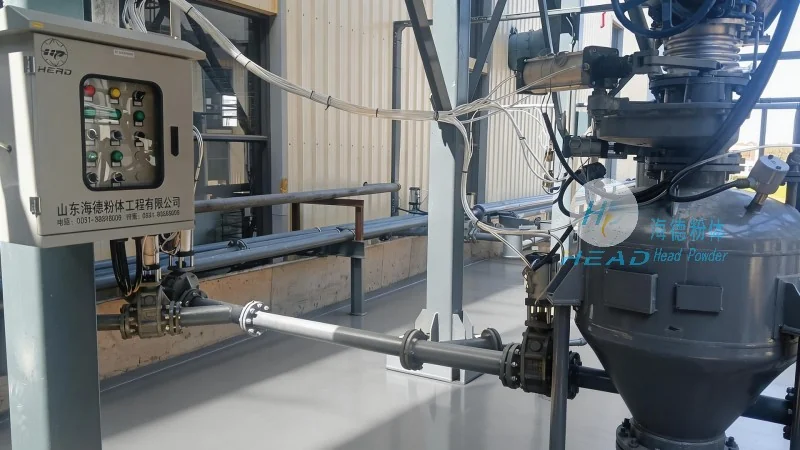
Factors to Consider When Choosing a Conveying Method
When selecting a conveying method for calcium hydroxide powder, several factors must be considered to ensure the best fit for the specific application. The first factor is the scale of production, as large-scale operations may require more robust and efficient systems than small-scale ones. The second factor is the material's properties, including its particle size, moisture content, and cohesive tendency. These properties will determine the suitability of each conveying method. The third factor is the operational environment, including the available space, budget, and regulatory requirements. For example, in environments with strict dust control regulations, pneumatic conveying may be preferred despite its higher energy costs. The fourth factor is the desired throughput and distance of transportation, as different methods have varying capacities and ranges. By carefully evaluating these factors, industrial operators can choose the most appropriate conveying method that balances efficiency, cost, and operational requirements.
Conclusion: Selecting the Right Conveying Method for Calcium Hydroxide Powder
Choosing the right conveying method for calcium hydroxide powder is a critical decision that impacts the overall performance and profitability of industrial operations. Pneumatic conveying offers flexibility and dust control but at a higher energy cost. Screw conveyors provide simplicity and low maintenance but may suffer from clogging and low capacity. Pump-based systems are effective for slurry applications but require additional liquid and have higher maintenance costs. The optimal choice depends on the specific needs of the application, including production scale, material properties, and operational constraints. By understanding the advantages and disadvantages of each method and considering the relevant factors, operators can select the most suitable conveying system to ensure efficient and reliable transportation of calcium hydroxide powder. Shandong HeadPowder Engineering Co., Ltd., a leading manufacturer of calcium hydroxide powder handling solutions, provides a range of equipment and services tailored to meet the diverse needs of industrial clients. With years of experience in the industry, HeadPowder offers customized solutions that enhance the efficiency and safety of calcium hydroxide powder transportation, helping clients achieve their production goals while minimizing operational costs.




