When it comes to handling and transporting Nickel Cobalt Aluminum Lithium (NCA) materials, selecting the right method is crucial for ensuring product integrity, safety, and operational efficiency. NCA powders are widely used in lithium-ion battery production due to their high energy density, and the transport process can significantly impact the final product quality. This article provides a detailed comparison of common NCA transport methods, highlighting their advantages and disadvantages, to help businesses make informed decisions. HeadPowder, a leading provider of advanced material solutions, specializes in the handling and transport of high-performance battery materials like NCA, ensuring that clients receive products of the highest quality and reliability.
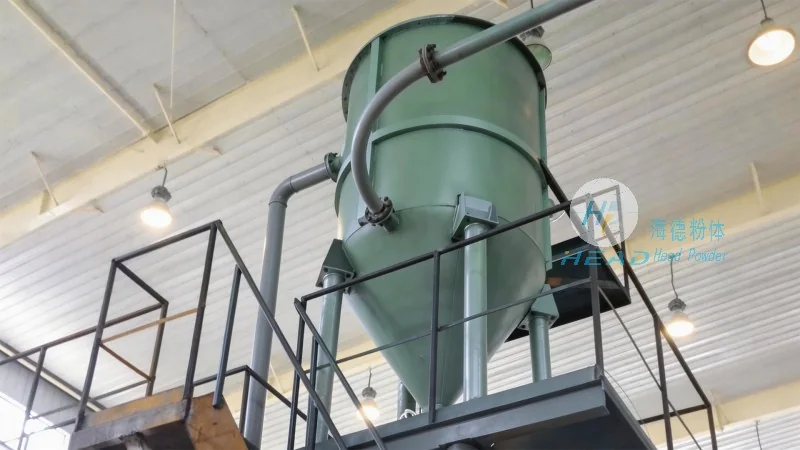
Overview of NCA Materials and Transport Importance
Nickel Cobalt Aluminum Lithium (NCA) is a type of lithium-ion battery cathode material known for its superior performance in terms of energy density and thermal stability. These materials are typically produced as fine powders, which require careful handling to prevent agglomeration, contamination, or degradation. The transport process is a critical step in the supply chain, as it connects raw material production to the battery manufacturing stage. Proper transport methods are essential to maintain the material's properties and ensure consistent performance in the final battery products. HeadPowder, headquartered in Shandong, China, has extensive experience in managing the transport of NCA materials, adhering to strict quality control protocols to safeguard product integrity.
Common NCA Transport Methods
Several methods are commonly used for transporting NCA materials, each with its own set of characteristics and suitability for different applications. The primary methods include bulk handling via conveyor systems, pneumatic conveying, and vacuum transport, as well as containerized transport using sealed bags or drums. Each method has its own advantages and disadvantages, which are discussed below.
Bulk Handling via Conveyor Systems
Bulk handling using conveyor systems is a widely adopted method for transporting NCA powders in industrial settings. This approach involves moving the material through a series of conveyor belts or screw conveyors, which can be integrated into production lines for seamless material flow. The advantages of this method include high throughput capacity, low operational cost, and the ability to handle large volumes of material efficiently. Conveyor systems are particularly suitable for continuous production processes where consistent material flow is required.
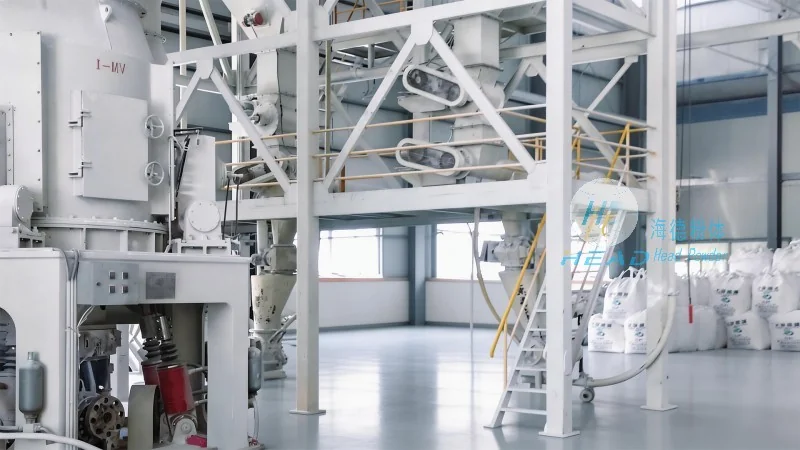
However, bulk handling via conveyor systems also has notable disadvantages. One of the main concerns is the risk of material contamination from the conveyor components or the environment. NCA powders are sensitive to moisture and can react with certain materials, leading to degradation if not properly sealed. Additionally, conveyor systems may cause particle attrition or agglomeration, which can affect the material's performance in battery applications. Maintenance and cleaning of the conveyor system are also essential to prevent cross-contamination and ensure product purity. HeadPowder employs advanced sealing technologies and regular maintenance schedules to mitigate these risks while maximizing efficiency.
Pneumatic Conveying
Pneumatic conveying is another common method for transporting NCA materials, which involves using air pressure to move the powder through a pipeline. This method is particularly useful for long-distance transport or when the material needs to be moved from one location to another without direct contact with equipment. The advantages of pneumatic conveying include the ability to handle fine powders without the need for mechanical contact, reducing the risk of contamination and particle damage. It also allows for flexible routing and can be integrated with other processing equipment.
Despite these benefits, pneumatic conveying has several disadvantages. One of the main challenges is the high energy consumption required to move the material through the pipeline. The system also requires careful control of air pressure and flow rates to prevent material blockages or degradation. Additionally, the equipment can be complex and expensive to install and maintain. Pneumatic conveying may also be less efficient for very fine powders, as they can settle in the pipeline and cause clogging if not properly managed. HeadPowder offers customized pneumatic conveying solutions tailored to specific production needs, balancing efficiency with cost-effectiveness.
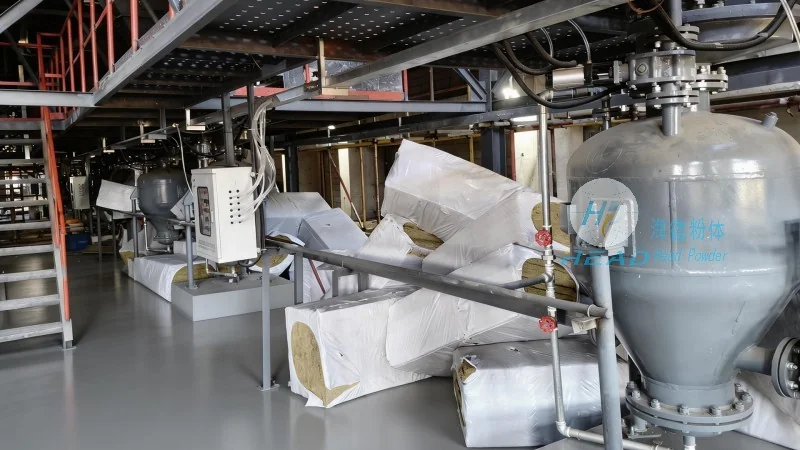
Vacuum Transport
Vacuum transport is a specialized method used for transporting NCA materials, particularly in applications where contamination control is critical. This method involves using a vacuum system to draw the powder through a sealed container or pipeline. The advantages of vacuum transport include the ability to maintain a sterile environment, reducing the risk of contamination from external sources. It also allows for precise control over the material flow and can handle sensitive powders without mechanical agitation.
However, vacuum transport has its own set of disadvantages. The equipment is generally more expensive and complex compared to other methods, requiring specialized vacuum pumps and sealed containers. The system also has lower throughput capacity compared to bulk handling or pneumatic conveying, making it less suitable for high-volume production. Additionally, the vacuum system may require regular maintenance to ensure proper operation and prevent leaks that could compromise material integrity. HeadPowder utilizes vacuum transport for sensitive batches, ensuring strict adherence to quality standards and minimizing the risk of product degradation.
Containerized Transport (Bags and Drums)
Containerized transport using sealed bags or drums is a common method for transporting NCA materials in smaller quantities or for distribution to end-users. This approach involves packaging the powder in airtight containers to prevent exposure to moisture or contaminants. The advantages of containerized transport include the ability to handle smaller batches of material, making it suitable for research and development or small-scale production. It also provides better protection against environmental factors and can be easily transported using standard logistics systems.
Nevertheless, containerized transport has limitations. The main disadvantage is the limited capacity of individual containers, which may require more frequent shipments for large volumes. Additionally, the packaging process can add cost and time to the overall transport process. The containers must also be properly sealed and labeled to ensure compliance with safety regulations and prevent accidental spills or leaks. Proper handling and storage of the containers are essential to maintain the material's quality during transport. HeadPowder's containerized transport services include rigorous quality checks and secure packaging to ensure safe delivery to clients worldwide.
Choosing the Right Transport Method for NCA Materials
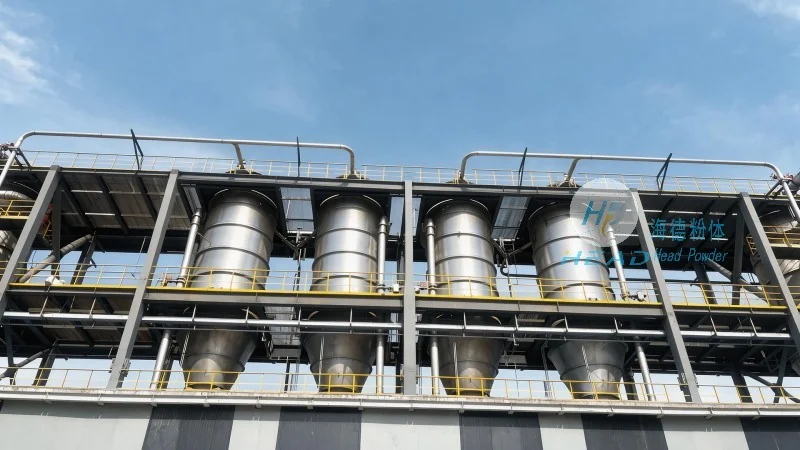
When selecting a transport method for NCA materials, businesses must consider several factors, including the material's properties, production scale, and end-use requirements. The choice of method should align with the overall production strategy and ensure that the material's integrity is maintained throughout the transport process. For large-scale industrial production, bulk handling via conveyor systems or pneumatic conveying may be more suitable due to their high throughput capacity. For smaller batches or research applications, containerized transport may be more appropriate.
Contamination control is a critical factor in choosing the right transport method, as NCA powders are highly sensitive to moisture and other contaminants. Vacuum transport and containerized transport are generally better suited for applications where contamination is a major concern. However, these methods may have lower throughput, making them less efficient for high-volume production. Businesses should also consider the cost and maintenance requirements of each method, as well as the availability of equipment and expertise. HeadPowder provides comprehensive consulting services to help clients evaluate their specific needs and select the most effective transport method for their NCA materials.
Conclusion
In conclusion, the selection of an appropriate transport method for Nickel Cobalt Aluminum Lithium (NCA) materials is essential for maintaining product quality and operational efficiency. Each method has its own advantages and disadvantages, and the choice should be based on the specific needs of the business and the material's properties. By carefully evaluating the options and considering factors such as contamination control, throughput, and cost, businesses can select the most suitable transport method to ensure the successful delivery of high-quality NCA materials to their customers. HeadPowder remains committed to advancing the safe and efficient transport of NCA materials, supporting the growth of the lithium-ion battery industry with reliable solutions.




