Flaky graphite powder, a high-value material widely used in industries such as refractory, battery, and lubrication, requires efficient and reliable transport solutions to meet production demands. This article explores the concept of a flaky graphite powder pneumatic conveying system and delves into its design principles, highlighting the technological advancements and practical applications that make it an essential component in modern material handling.
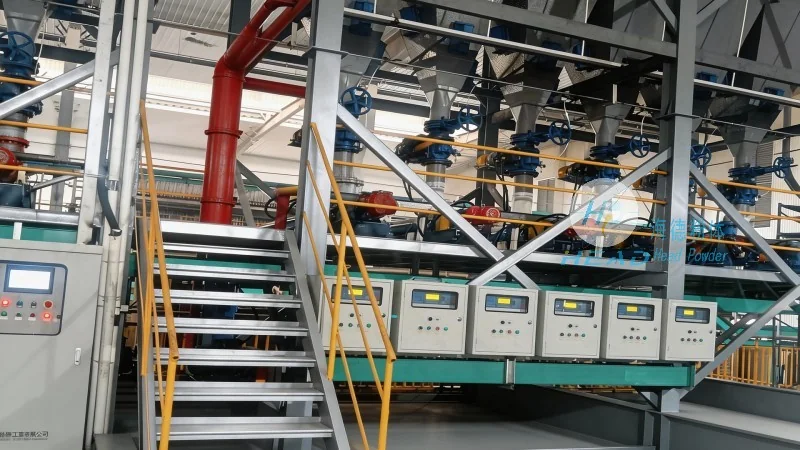
Understanding Flaky Graphite Powder Pneumatic Conveying Systems
At the core of material handling for flaky graphite powder is the pneumatic conveying system, which utilizes air or gas to transport dry powders through a pipeline. For flaky graphite powder, which is characterized by its thin, plate-like structure, specialized systems are designed to address unique challenges like particle agglomeration, air resistance, and material handling efficiency. The system typically consists of a feeding device, a conveying pipeline, a separation unit, and a discharge mechanism, all working in tandem to ensure smooth and continuous material transport.
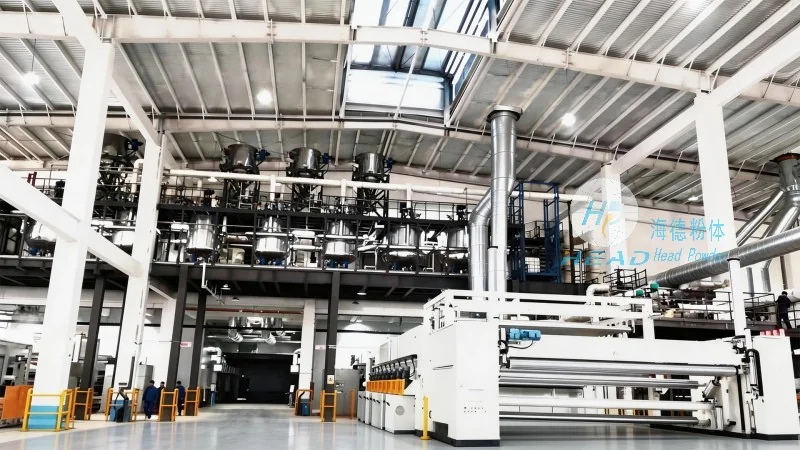
The Design Principles Behind Flaky Graphite Powder Pneumatic Conveying
The design of a flaky graphite powder pneumatic conveying system is guided by several key principles aimed at optimizing performance, minimizing material loss, and ensuring operational safety. First, the system must consider the physical properties of flaky graphite powder, including its particle size distribution, density, and flowability. These properties influence the selection of air velocity, pipeline diameter, and pressure levels to prevent particle deposition or blockage. Second, the system incorporates efficient feeding mechanisms, such as rotary valves or screw feeders, to maintain a consistent flow rate and avoid air leakage or material spillage. Third, the conveying pipeline is often designed with smooth, corrosion-resistant materials (e.g., stainless steel or PTFE-coated pipes) to prevent particle abrasion and ensure long-term durability. Fourth, the separation unit, typically a cyclone or bag filter, is crucial for separating the conveyed powder from the air stream, allowing for clean material recovery and air recirculation or exhaust. Finally, the discharge mechanism, such as a rotary valve or a pressure vessel, ensures that the powder is discharged accurately and without clogging, maintaining system efficiency.
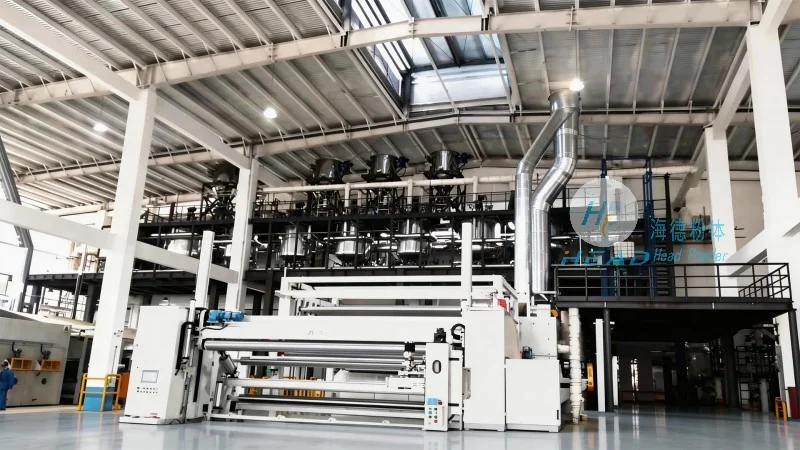
Key Components and Their Functions in the System
Each component of a flaky graphite powder pneumatic conveying system plays a critical role in its overall performance. The feeding device, often a rotary airlock or a screw feeder, ensures that the powder is introduced into the system at a controlled rate, preventing overloading and maintaining consistent air flow. The conveying pipeline, usually made of stainless steel or other corrosion-resistant materials, is designed with smooth internal surfaces to minimize friction and particle wear. The air supply system, including a blower or compressor, provides the necessary pressure and air volume to move the powder through the pipeline. The separation unit, such as a cyclone separator, uses centrifugal force to separate the powder from the air, allowing for clean material collection and air recycling. The discharge mechanism, such as a rotary valve or a pressure vessel, ensures that the powder is discharged safely and without blockage, maintaining system reliability. Additionally, the system may include a dust collection system to capture any airborne particles and prevent environmental contamination.
Applications and Benefits of Flaky Graphite Powder Pneumatic Conveying
Flaky graphite powder pneumatic conveying systems are widely used in various industries due to their ability to handle fine, dry powders efficiently and safely. In the refractory industry, these systems are used to transport graphite powder for the production of refractory bricks and coatings, where consistent material quality is critical. In the battery industry, they are used to transport graphite powder for anode production, where the purity and particle size of the material directly impact battery performance. In the lubrication industry, they are used to transport graphite powder for lubricant formulations, where the uniform distribution of the powder is essential for product quality. The benefits of these systems include improved material handling efficiency, reduced labor costs, minimized material loss, and enhanced operational safety. Additionally, the systems are designed to be flexible, allowing for easy integration with existing production lines and adaptation to changing production demands.
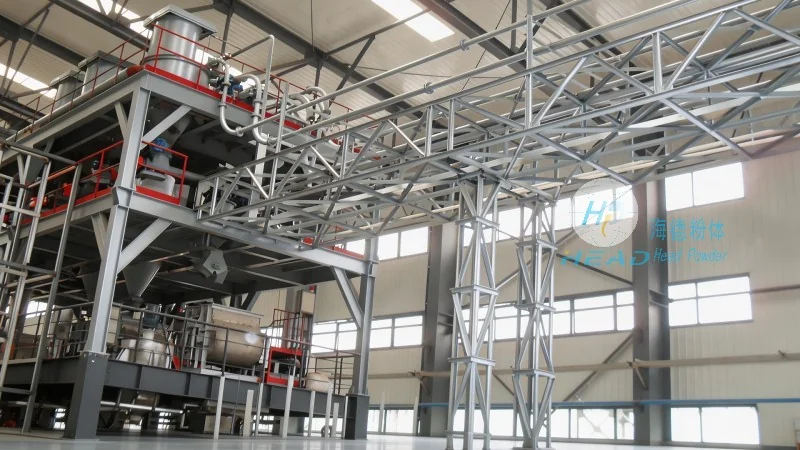
Conclusion and Company Overview
Flaky graphite powder pneumatic conveying systems are sophisticated and efficient solutions for handling high-value materials, offering significant advantages in terms of performance, reliability, and cost-effectiveness. The design principles and components of these systems are tailored to address the unique challenges of flaky graphite powder, ensuring smooth and continuous material transport. As a leading provider in the field, Shandong HeadPowder Engineering Co., Ltd. specializes in the design, manufacturing, and installation of such systems, leveraging years of experience and advanced technology to meet the diverse needs of industries worldwide. With a focus on quality, innovation, and customer satisfaction, HeadPowder is committed to delivering reliable and efficient material handling solutions that enhance productivity and operational excellence.




