

Working Principle and Features of Graphite Powder Material Handling System Equipment
Graphite powder material handling systems are specialized equipment designed to efficiently transport and manage graphite powder in industrial settings. These systems are crucial for applications ranging from manufacturing to processing, where the consistent and safe movement of graphite powder is essential. The working principle and key features of such systems are integral to their effectiveness and reliability in various industrial processes.
HeadPowder, a leading manufacturer in the field, provides advanced graphite powder material handling solutions. Based in Shandong, China, the company specializes in engineering and manufacturing equipment tailored to the unique demands of graphite powder handling. The company's systems are built to ensure optimal performance, durability, and safety, catering to the specific needs of clients in different industries.
Working Principle of Graphite Powder Material Handling Systems
The working principle of graphite powder material handling systems typically involves several key components and processes. These systems are engineered to handle the unique properties of graphite powder, such as its fine particle size, low bulk density, and potential for dust generation. The primary working principle revolves around the use of specialized mechanisms to move the powder from one location to another while maintaining its integrity and preventing contamination.
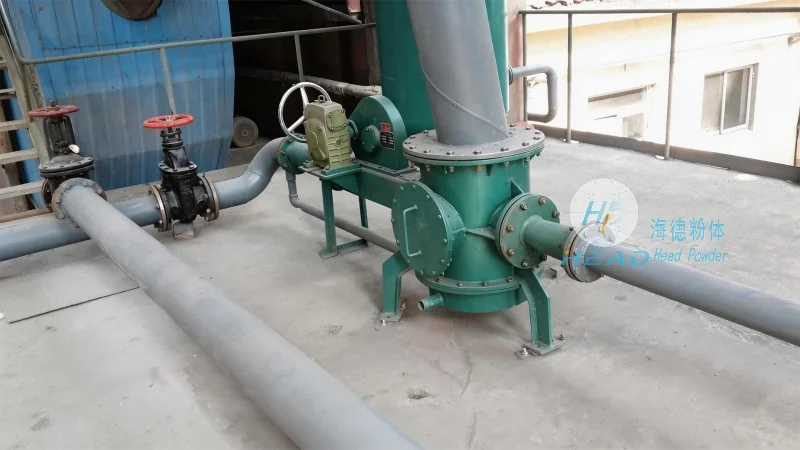
One common method used in these systems is the pneumatic conveying system. This approach utilizes compressed air to transport graphite powder through a network of pipes. The system works by creating a pressure differential that draws the powder into the air stream, allowing it to be moved efficiently over long distances. Pneumatic conveying systems are particularly effective for handling fine powders like graphite, as they can minimize particle degradation and ensure a consistent flow rate.
Another important principle involves the use of mechanical conveyors, such as screw conveyors or belt conveyors. These systems rely on mechanical force to move the powder. Screw conveyors, for example, use a rotating screw to push the powder along a trough, while belt conveyors use a moving belt to transport the material. These mechanical systems are often used for shorter distances or when the powder needs to be handled in a more controlled manner, such as in mixing or blending operations.
Additionally, some systems incorporate vacuum conveying technology. This method uses a vacuum to draw the powder into a collection or transport container. Vacuum conveying is advantageous for handling powders that are sensitive to pressure changes or for applications where dust control is critical. The system creates a negative pressure environment that pulls the powder through the system, ensuring a clean and efficient transfer.
Key Features of Graphite Powder Material Handling Systems
Graphite powder material handling systems from HeadPowder are characterized by several key features that enhance their performance and usability. These features are designed to address the specific challenges associated with handling graphite powder, including its fine particle size, potential for dust generation, and the need for consistent flow rates.
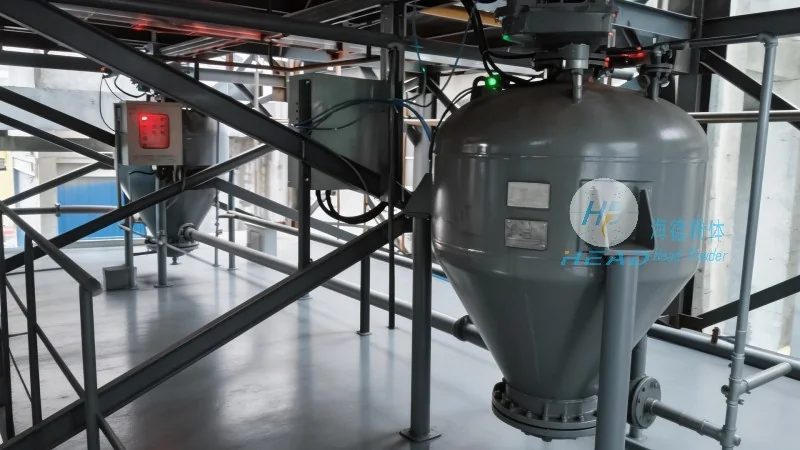
Firstly, the systems are equipped with advanced material handling components that ensure minimal particle degradation. This is crucial because graphite powder is often used in applications where particle size and shape are critical, such as in lubricants, refractory materials, or battery electrodes. The equipment is designed to prevent attrition and breakage, maintaining the powder's original properties throughout the handling process.
Secondly, the systems feature robust dust control mechanisms. Graphite powder is known for its fine particles, which can easily become airborne and cause respiratory issues or contamination. The systems incorporate features like sealed containers, dust collection systems, and air filtration to minimize dust emissions. This not only ensures a safe working environment but also helps in maintaining product quality by preventing contamination from external sources.
Thirdly, the systems offer precise control over the flow rate and pressure. This is essential for applications where the exact amount of graphite powder needs to be delivered to a process. The equipment includes adjustable valves, pressure regulators, and flow meters that allow operators to monitor and adjust the flow rate as needed. This level of control helps in optimizing production processes and reducing waste.
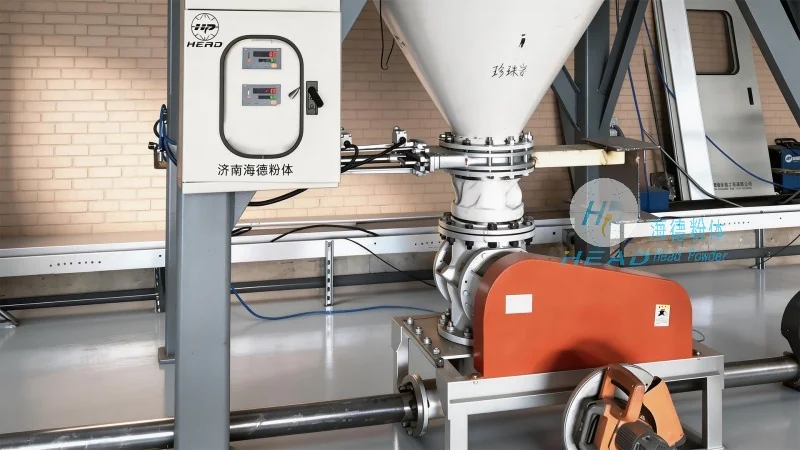
Fourthly, the systems are built for durability and longevity. Given the abrasive nature of graphite powder, the equipment is constructed with materials that can withstand wear and tear. Components like conveyor belts, screws, and pipes are made from high-quality materials, such as stainless steel or specialized polymers, to ensure long-term performance and reduce maintenance costs.
Fifthly, the systems are designed for easy integration into existing industrial setups. HeadPowder's equipment can be customized to fit the specific layout and requirements of a client's facility. This includes options for different conveyor lengths, heights, and connections to existing processing equipment. The systems are also equipped with user-friendly controls and monitoring systems, making them easy to operate and maintain.
Conclusion
Graphite powder material handling systems from Shandong HeadPowder Engineering Co., Ltd. are advanced solutions designed to efficiently and safely handle graphite powder in industrial applications. By understanding the working principles and key features of these systems, industries can ensure optimal performance, product quality, and operational efficiency. The company's commitment to engineering excellence and customer satisfaction makes their systems a reliable choice for handling graphite powder in various industrial processes.