

What is a Reduced Iron Powder Pneumatic Conveying System? And What Are Its Design Principles?
For industrial applications involving the handling of reduced iron powder, a pneumatic conveying system is often the preferred solution. This technology efficiently transports fine powders like reduced iron powder through a pipeline using air or other gas as the conveying medium. The system combines the advantages of material handling with the benefits of a closed system, ensuring safety, cleanliness, and efficiency in production processes.
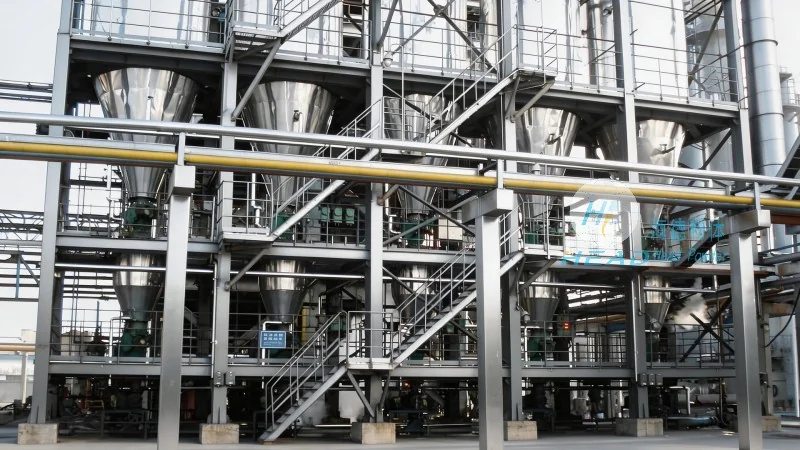
Understanding the Core Components of a Pneumatic Conveying System
A typical pneumatic conveying system for reduced iron powder consists of several key components that work together to achieve effective material transport. These components include the hopper or feeder, the air compressor or blower, the conveying pipeline, the control system, and the discharge or collection unit. Each component plays a crucial role in the overall operation of the system.
The Role of the Hopper and Feeder in Material Supply
The hopper is the initial component where the reduced iron powder is stored before it enters the conveying process. It is designed to hold a sufficient quantity of material to ensure a continuous supply to the system. The feeder, often a rotary valve or a screw feeder, regulates the flow of powder from the hopper into the conveying pipeline. Proper design of the hopper and feeder is essential to prevent material bridging, caking, or uneven flow, which could disrupt the conveying process and lead to system inefficiencies.
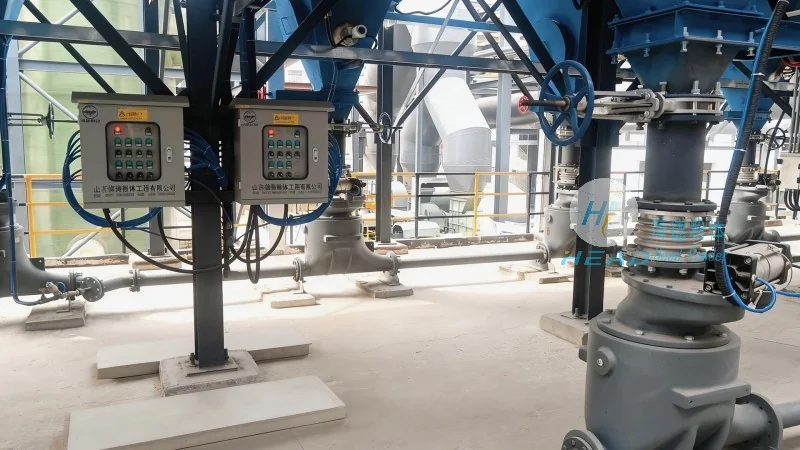
Compressor and Air Flow Management
The air compressor or blower is the heart of the pneumatic conveying system, responsible for generating the necessary air pressure and flow to move the reduced iron powder through the pipeline. The choice of compressor type—such as positive displacement or centrifugal—depends on factors like the system's capacity, the powder's properties, and the required conveying distance. Efficient air flow management is critical to maintain consistent material transport and prevent pressure drops that could cause material to settle or block the pipeline.
The Conveying Pipeline and Its Design Considerations
The conveying pipeline is the main channel through which the reduced iron powder is transported. It is typically made of materials like stainless steel or plastic, chosen for their resistance to corrosion and wear from the abrasive powder. The pipeline design includes features such as bends, elbows, and expansion joints to accommodate changes in direction and pressure. The diameter and length of the pipeline are carefully calculated to ensure optimal air velocity and pressure, which directly impact the conveying efficiency and the risk of material deposition.
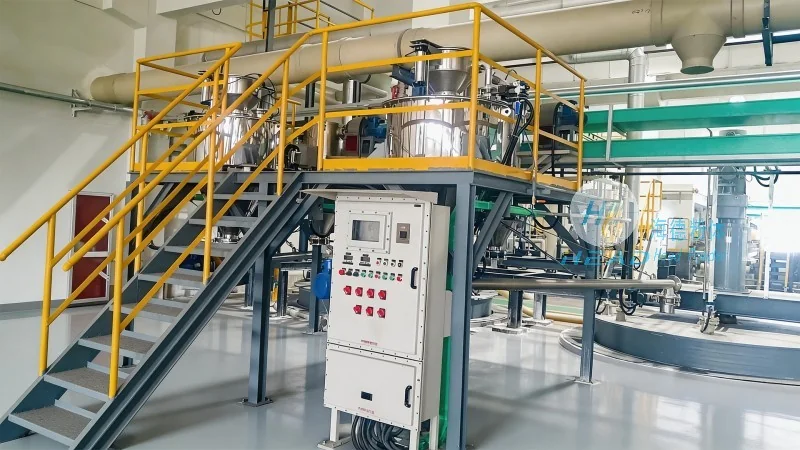
Control System and Automation
A modern pneumatic conveying system for reduced iron powder often incorporates a control system that monitors and regulates various parameters, such as air pressure, flow rate, and material level. This automation enhances the system's reliability and performance, allowing for real-time adjustments to maintain consistent operation. The control system may include sensors for detecting material flow, pressure gauges, and alarms for detecting blockages or other issues, ensuring the system operates safely and efficiently.
Discharge and Collection Unit
The discharge or collection unit is the final component where the reduced iron powder is deposited after being conveyed through the pipeline. It may include a hopper or a container that collects the material, and sometimes a rotary valve or a gate to control the discharge rate. Proper design of the discharge unit is important to prevent material spillage and to ensure that the powder is deposited in the desired location without causing dust or contamination.
Design Principles for Efficient Reduced Iron Powder Pneumatic Conveying
The design of a pneumatic conveying system for reduced iron powder is based on several key principles to ensure optimal performance. These principles include maintaining a sufficient air velocity to prevent material settling, controlling the pressure drop along the pipeline to minimize energy consumption, and ensuring the system is designed for the specific properties of the reduced iron powder, such as its particle size, density, and flowability. Engineers from companies like Shandong HeadPowder Engineering Co., Ltd. use advanced computational fluid dynamics (CFD) and material testing to optimize the system design and ensure it meets the specific requirements of the application.
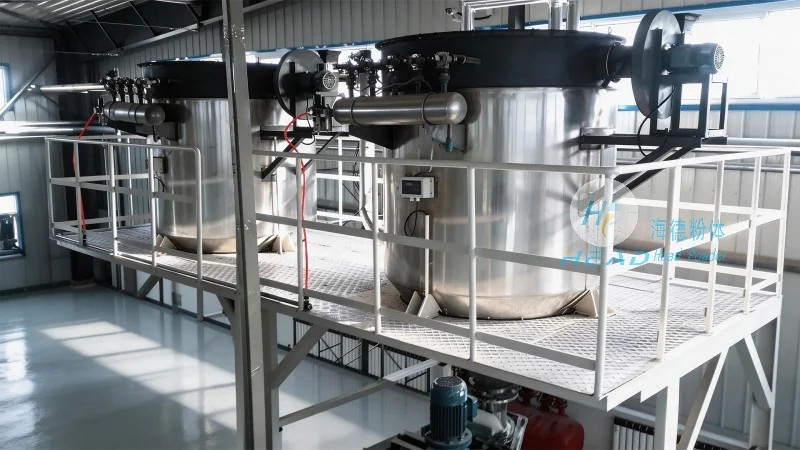
Benefits of Using a Pneumatic Conveying System for Reduced Iron Powder
Implementing a pneumatic conveying system for reduced iron powder offers several advantages over traditional methods like belt conveyors or bucket elevators. The closed system design prevents dust emissions and contamination, which is critical for maintaining a clean and safe working environment. Additionally, the system can handle fine powders that are difficult to transport using other methods, reducing the risk of material loss or degradation. The efficiency of the system in terms of energy consumption and material handling capacity also contributes to cost savings and improved productivity in industrial operations.
Conclusion
A reduced iron powder pneumatic conveying system is a sophisticated and efficient solution for handling fine powders in industrial applications. By understanding the core components, design principles, and operational considerations, manufacturers can select and implement a system that meets their specific needs. Companies like Shandong HeadPowder Engineering Co., Ltd. specialize in designing and manufacturing such systems, leveraging their expertise to provide reliable and effective solutions for the handling of reduced iron powder. With proper design and maintenance, these systems can enhance productivity, ensure safety, and contribute to the overall success of industrial processes.