Phosphorus pentachloride (PCl5) is a highly reactive and corrosive chemical compound widely used in industrial applications such as chemical synthesis, pharmaceutical production, and material processing. The safe and efficient transportation of PCl5 from production sites to processing units is critical for maintaining operational efficiency and ensuring worker safety. This article explores the concept of a phosphorus pentachloride pneumatic conveying line and delves into the fundamental design principles that govern its operation.
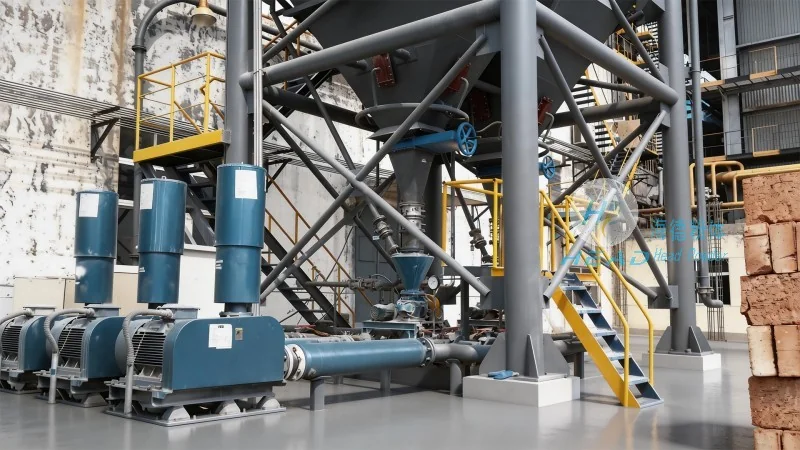
Introduction to Phosphorus Pentachloride Pneumatic Conveying Lines
A phosphorus pentachloride pneumatic conveying line is a specialized system designed to transport PCl5 powder or granules through an enclosed pipeline using compressed air or other gas as the conveying medium. Unlike traditional mechanical conveyors, which rely on mechanical components like belts or screws, pneumatic systems utilize the force of gas to move material, making them particularly suitable for handling abrasive, toxic, or heat-sensitive materials like PCl5. The system typically consists of a feeding unit, a pipeline network, a separation unit, and a control system, all working in tandem to ensure reliable and safe material transport.
Design Principles of the Pneumatic Conveying System
The design of a PCl5 pneumatic conveying line is based on several key principles to ensure optimal performance, safety, and durability. The first principle is the selection of appropriate gas velocity, which must be high enough to overcome the gravitational and frictional forces acting on the material particles but low enough to prevent excessive wear on the pipeline and components. Engineers typically calculate the required velocity based on the material's density, particle size, and the system's pressure drop. Another critical principle is the pressure control strategy, which involves maintaining a consistent pressure throughout the pipeline to avoid blockages or material spillage. This often requires the use of pressure regulators, valves, and check valves to manage the flow of gas and material.
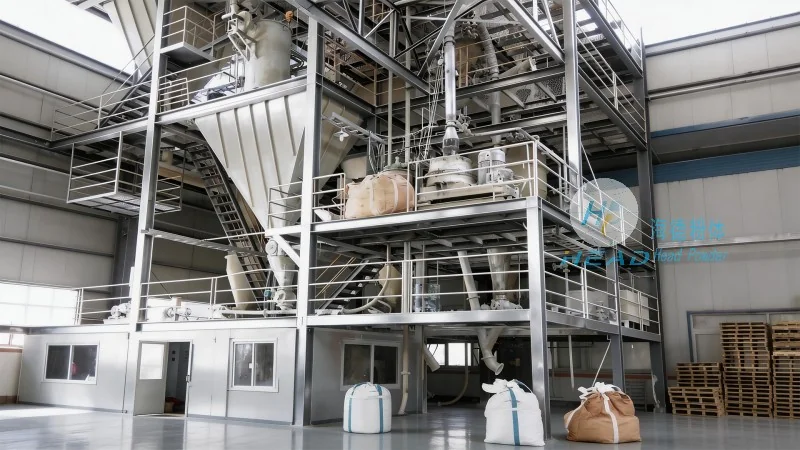
Key Components and Their Functions
The effectiveness of a PCl5 pneumatic conveying line depends on the proper integration of several key components. The feeding unit, commonly a rotary valve or a star feeder, is responsible for introducing the PCl5 material into the pipeline at a controlled rate. This component must be designed to handle the corrosive nature of PCl5 and prevent material buildup or blockages. The pipeline itself is typically made of high-quality, corrosion-resistant materials such as stainless steel or PTFE-coated steel to withstand the chemical exposure. The separation unit, often a cyclone or a bag filter, is used to separate the PCl5 particles from the conveying gas, allowing the gas to be recycled or vented safely. Finally, the control system, which includes sensors, controllers, and alarms, monitors the system's performance and alerts operators to any abnormalities, such as pressure drops or material blockages.
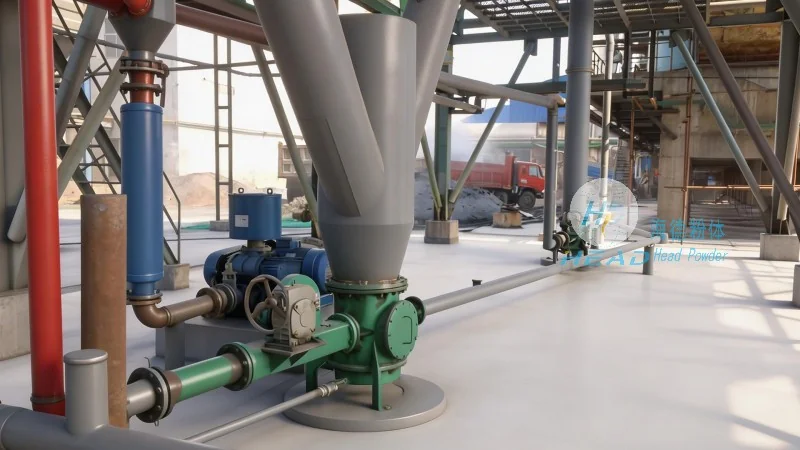
Application Scenarios and Safety Considerations
Phosphorus pentachloride pneumatic conveying lines are commonly used in chemical plants, pharmaceutical facilities, and research laboratories where PCl5 is produced or processed. The system is particularly advantageous in applications requiring long-distance transport, high material throughput, or the need to maintain a sterile environment. Safety is a paramount concern when handling PCl5, as it is a toxic and corrosive substance. The design of the conveying line must incorporate features such as explosion-proof components, leak detection systems, and emergency shutdown mechanisms to mitigate risks. Additionally, proper ventilation and personal protective equipment (PPE) are essential for operators working with the system to minimize exposure to PCl5 fumes and dust.
Company Profile: Shandong HeadPowder Engineering Co., Ltd.
Shandong HeadPowder Engineering Co., Ltd., a leading manufacturer in the field of powder handling and conveying systems, specializes in designing and manufacturing customized pneumatic conveying solutions for a wide range of industrial applications. With a strong focus on quality, safety, and innovation, the company has established itself as a trusted partner for clients in the chemical, pharmaceutical, and food industries. HeadPowder's team of experienced engineers and technicians works closely with clients to understand their specific requirements and develop tailored solutions that meet their operational needs and safety standards. The company's facilities, located in Shandong, China, are equipped with advanced manufacturing equipment and rigorous quality control processes to ensure that every product meets the highest industry standards. For businesses seeking reliable and efficient PCl5 pneumatic conveying lines, Shandong HeadPowder Engineering Co., Ltd. offers comprehensive solutions backed by years of expertise and a commitment to excellence.




