Low-pressure pneumatic conveying equipment is a critical component in material handling systems, particularly for transporting bulk materials over short to medium distances. This technology offers an efficient and flexible solution for industries dealing with powders, granules, and other particulate materials. Understanding the fundamentals of this equipment and its design principles is essential for selecting the right system for specific operational needs.
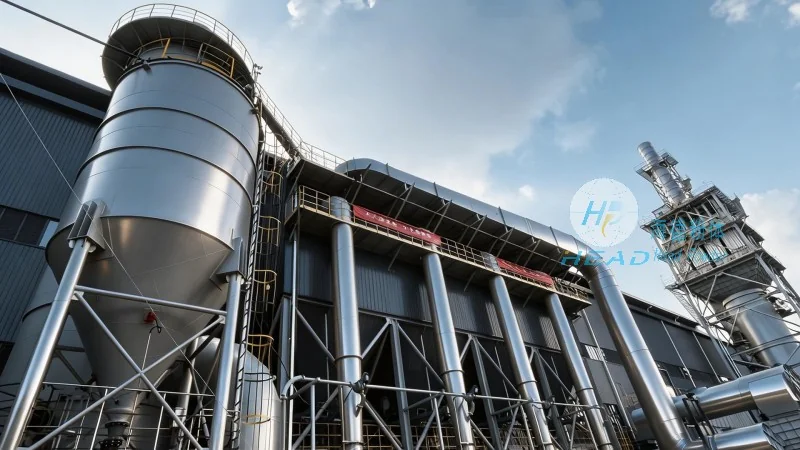
About Shandong HeadPowder Engineering Co., Ltd.
HeadPowder, the professional manufacturer behind these advanced conveying solutions, is a leading company based in Shandong, China. With years of experience in the engineering and manufacturing of pneumatic conveying systems, HeadPowder specializes in providing customized equipment tailored to the unique requirements of various industries. The company's commitment to quality, innovation, and customer satisfaction has established it as a trusted partner in the material handling sector.
What Is Low-Pressure Pneumatic Conveying?
Low-pressure pneumatic conveying systems operate by using air or other gases to transport materials through a pipeline. Unlike high-pressure systems, low-pressure conveying typically uses lower air velocities and pressures, making it suitable for a wide range of materials, including those that are sensitive to high pressure or prone to degradation. The system consists of several key components, including a blower, a hopper for material storage, a conveyor line, and a receiver for the discharged material. The blower generates the airflow that propels the material through the pipeline, while the hopper ensures a consistent feed of material into the system.
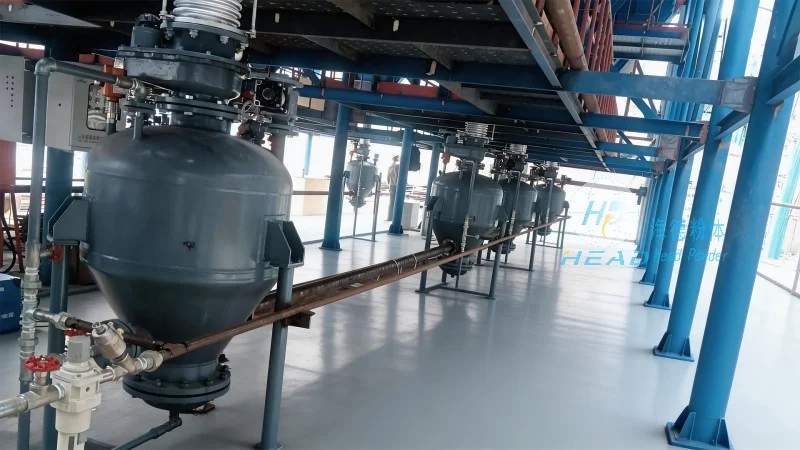
Design Principles of Low-Pressure Pneumatic Conveying Equipment
The design of low-pressure pneumatic conveying equipment is based on several fundamental principles to ensure efficient and reliable operation. One of the primary considerations is the air velocity, which must be sufficient to lift and transport the material without causing excessive wear on the system components. The velocity is typically maintained within a range that balances material transport efficiency with energy consumption. Another critical design factor is the pipeline layout, which must be optimized to minimize pressure drops and ensure smooth material flow. This includes proper sizing of the pipeline, the use of appropriate fittings, and the inclusion of necessary accessories such as filters and cyclones to separate the material from the air.
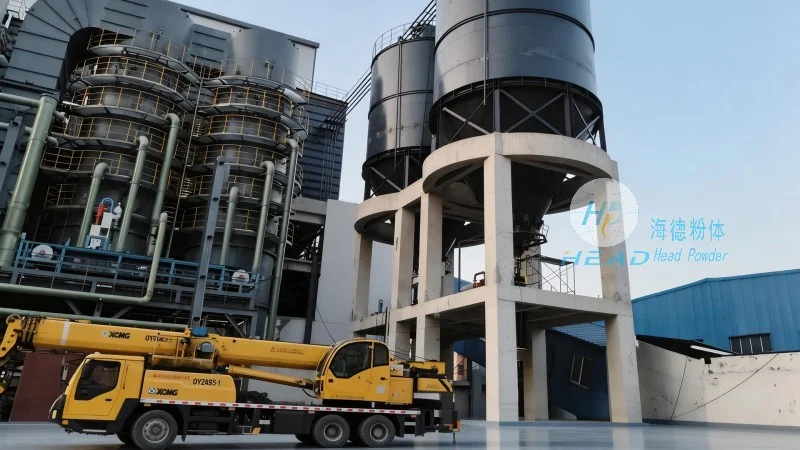
Key Components and Their Functions
Several key components make up a low-pressure pneumatic conveying system. The blower, often a centrifugal or positive displacement type, provides the necessary airflow. The hopper, equipped with a feeder, ensures a controlled and consistent material feed. The conveyor line, usually made of stainless steel or other corrosion-resistant materials, is designed to withstand the abrasive nature of the materials being transported. The receiver, where the material is deposited, may include a dust collection system to maintain air quality and prevent material loss. Additionally, the system may incorporate features such as pressure relief valves and check valves to protect against overpressure and ensure safe operation.
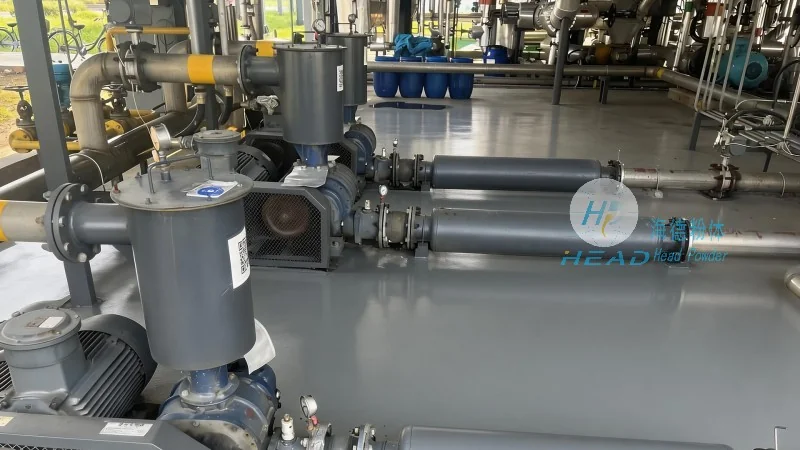
Applications and Benefits
Low-pressure pneumatic conveying equipment is widely used in various industries, including pharmaceuticals, food processing, chemical manufacturing, and mining. Its benefits include reduced labor costs due to automated material handling, improved safety by eliminating manual handling of bulk materials, and enhanced product quality by minimizing material contamination and degradation. The flexibility of the system allows for easy integration into existing production lines and the ability to transport materials over varying distances and elevations.
Customization and Installation
HeadPowder offers customized low-pressure pneumatic conveying solutions to meet the specific needs of each client. The company's engineering team works closely with customers to assess their operational requirements, material characteristics, and space constraints to design a system that maximizes efficiency and cost-effectiveness. The equipment is manufactured with high-quality materials and components, ensuring durability and long-term performance. Installation services are also provided to ensure that the system is set up correctly and operates as intended.




