Understanding the desulfurization sodium bicarbonate pneumatic conveying system is crucial for industries involved in flue gas treatment and material handling. This system is specifically designed to transport sodium bicarbonate, a key chemical used in desulfurization processes, with efficiency and precision. The system combines advanced pneumatic conveying technology with robust engineering to ensure reliable operation in demanding industrial environments.
What is a Desulfurization Sodium Bicarbonate Pneumatic Conveying System?
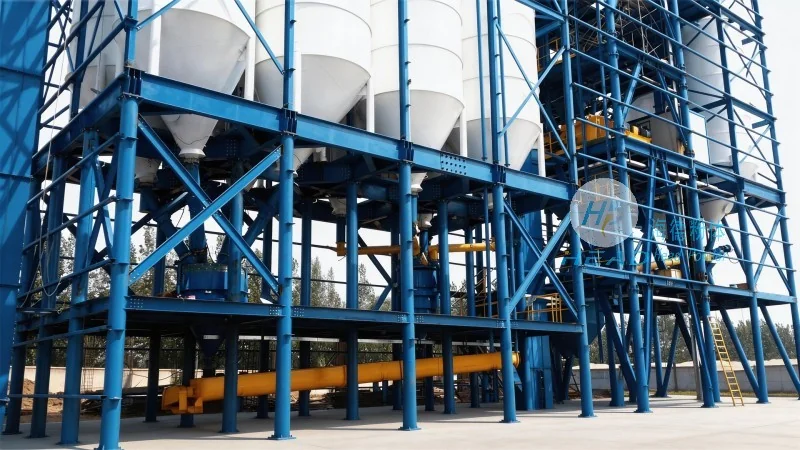
A desulfurization sodium bicarbonate pneumatic conveying system is a specialized piece of industrial equipment used to transport sodium bicarbonate, a white crystalline powder, from storage to processing units within a desulfurization plant. This system utilizes compressed air or other gas to move the material through a network of pipes and ducts, eliminating the need for traditional mechanical conveyors that may be prone to blockages or wear from abrasive materials. The system is engineered to handle the specific properties of sodium bicarbonate, including its fine particle size and potential for dust generation, ensuring safe and efficient material transport.
Key Components of the System
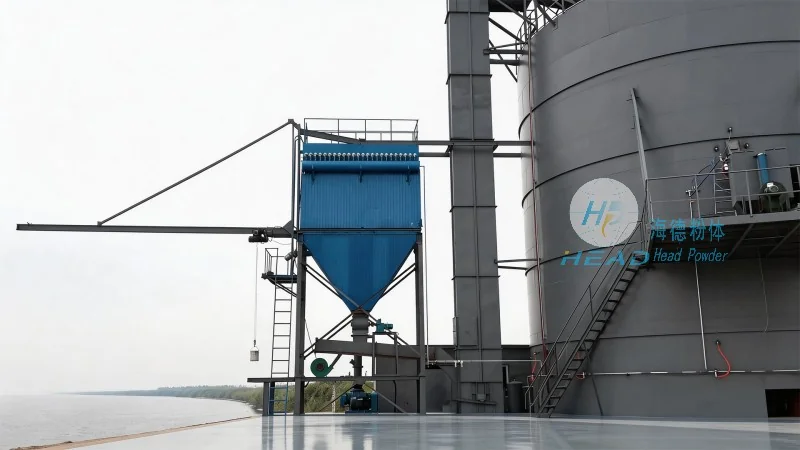
The desulfurization sodium bicarbonate pneumatic conveying system consists of several critical components that work in tandem to achieve effective material transport. These components include a material hopper or silo for storage, a feeder mechanism to control the flow of sodium bicarbonate, a conveying line (often equipped with airlocks or rotary valves to regulate flow), and a receiver or destination vessel. The system may also incorporate a dust collection system to manage any airborne particles and ensure compliance with environmental regulations. Each component is designed to withstand the corrosive and abrasive nature of the material being transported, ensuring long-term reliability and minimal maintenance.
Design Principles and Operational Efficiency
The design of a desulfurization sodium bicarbonate pneumatic conveying system is guided by several key principles aimed at maximizing efficiency, safety, and durability. One of the primary design considerations is the velocity of the conveying air, which must be sufficient to prevent material settling or blockages in the pipes. Engineers typically calculate the required air velocity based on the particle size, density, and flow rate of the sodium bicarbonate, ensuring that the system operates within optimal parameters. Another critical principle is the use of appropriate pipe materials and diameters to minimize friction and pressure drop, which can reduce energy consumption and extend the life of the system components. The system also incorporates safety features such as pressure relief valves and explosion-proof designs, as sodium bicarbonate can be sensitive to certain conditions and may require protection against accidental ignition or overpressure.
Advantages of Pneumatic Conveying for Sodium Bicarbonate
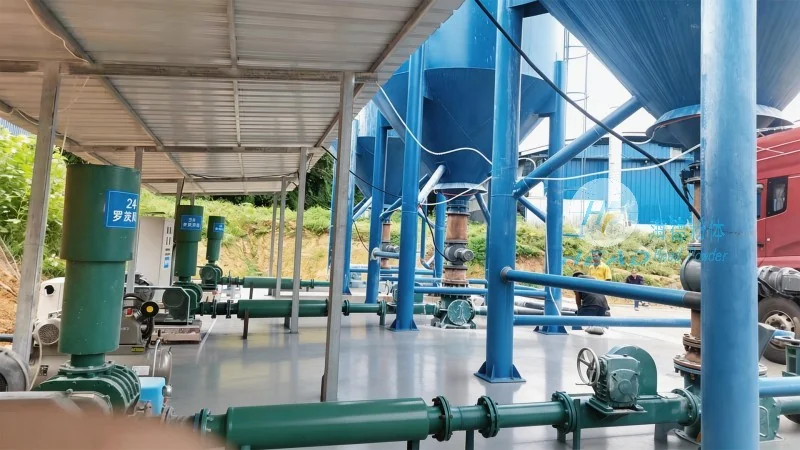
Compared to traditional mechanical conveying methods, the pneumatic conveying system offers several advantages for transporting sodium bicarbonate. One of the most significant benefits is the ability to handle fine powders without the risk of blockages or material degradation. The system can transport the material over long distances and through multiple bends and changes in elevation, making it ideal for complex plant layouts. Additionally, pneumatic conveying reduces the need for manual handling and minimizes the risk of dust exposure for operators, improving workplace safety. The system also offers greater flexibility in terms of material flow control, allowing for precise dosing and adjustment of the sodium bicarbonate feed rate to match the requirements of the desulfurization process. This flexibility is crucial for maintaining consistent performance and optimizing the overall efficiency of the plant.
Engineering and Installation by Shandong HeadPowder Engineering Co., Ltd.
Shandong HeadPowder Engineering Co., Ltd., a leading provider of industrial engineering solutions, specializes in the design, manufacturing, and installation of desulfurization sodium bicarbonate pneumatic conveying systems. With a strong focus on quality and customer satisfaction, the company leverages decades of experience in material handling and flue gas treatment technologies to deliver tailored solutions for clients. The company's engineering team works closely with clients to understand their specific operational needs, including material characteristics, plant layout, and performance requirements, to develop a customized system that meets all regulatory and operational standards. The installation process is carried out by skilled technicians who ensure that all components are properly aligned, connected, and tested for optimal performance. Shandong HeadPowder Engineering Co., Ltd. also provides comprehensive after-sales support, including maintenance services and technical assistance, to ensure that the system operates at peak efficiency throughout its service life. The company's commitment to excellence and adherence to industry best practices has made it a trusted partner for industries seeking reliable and efficient desulfurization solutions.




