What is a Sintered Dust Gas-Pneumatic Conveying System? What are its Design Principles?
Release time:2026-09-14 10:52:59
name of the company:Shandong Headpowder Engineering Co., Ltd.
telephone:156-6277-7102
contacts:Zhang manager
Understanding the role and design principles of sintered dust gas-pneumatic conveying systems is crucial for industries dealing with sintering processes. These systems are engineered to efficiently handle and transport sintered dust, a byproduct commonly generated in sintering operations. The following overview provides insights into the system's functionality and the underlying design principles that ensure effective operation.
About Shandong HeadPowder Engineering Co., Ltd.
Shandong HeadPowder Engineering Co., Ltd. is a leading provider of specialized engineering solutions for material handling and dust management. With a focus on innovative and reliable systems, the company has established itself as a trusted partner in the industry. HeadPowder's expertise lies in designing and manufacturing equipment tailored to meet the specific needs of clients, ensuring optimal performance and longevity of their conveying systems. The company is headquartered in Shandong, China, where it operates from its base of operations.
What is a Sintered Dust Gas-Pneumatic Conveying System?
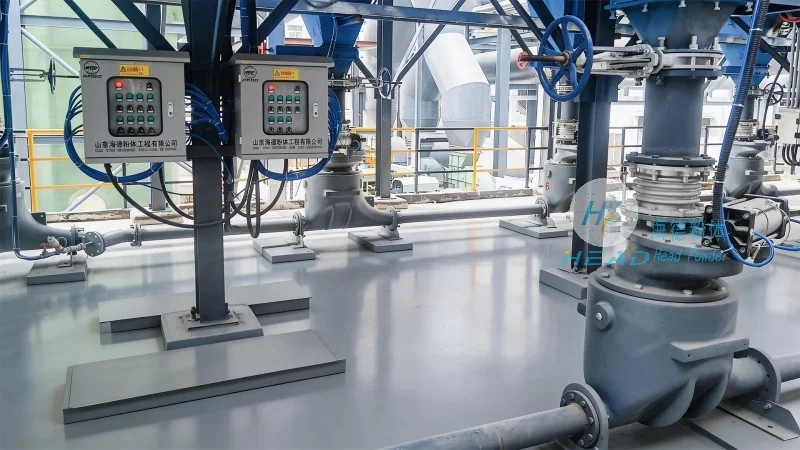
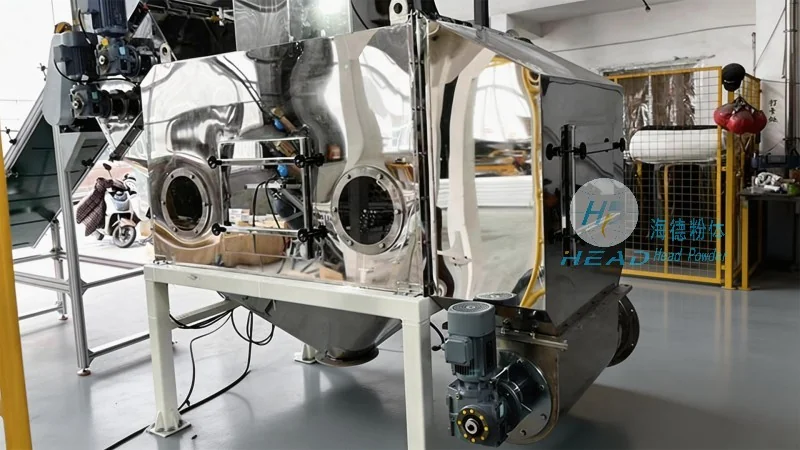
A sintered dust gas-pneumatic conveying system is a type of pneumatic conveying equipment designed to transport sintered dust, which is a fine particulate material produced during the sintering process. This system utilizes compressed air or other gas to create a flow that moves the dust from one location to another. The system typically consists of several key components, including a dust collection hopper, a conveying line, a control unit, and a discharge outlet. The primary function of the system is to collect, transport, and deposit sintered dust in a controlled manner, minimizing dust dispersion and ensuring compliance with environmental regulations.
Key Components and Their Functions
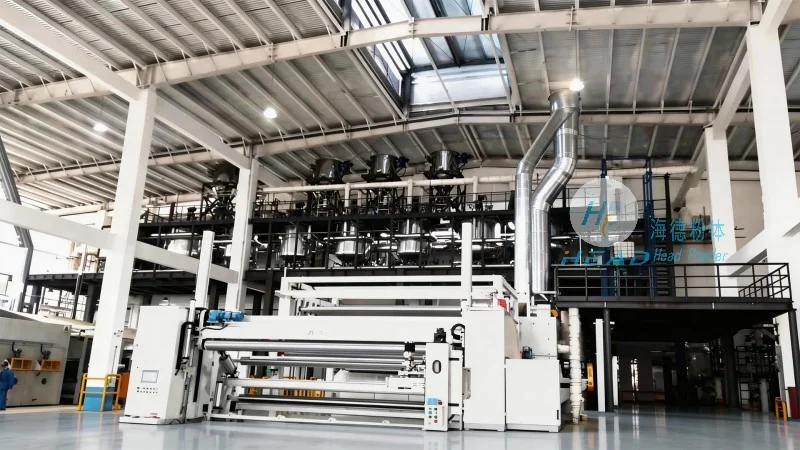
The effectiveness of a sintered dust gas-pneumatic conveying system depends on the proper integration and operation of its key components. Each component plays a critical role in the overall performance of the system:
- Dust Collection Hopper: This component is responsible for collecting the sintered dust from the source, such as a sintering machine or a dust collector. The hopper is designed to hold a sufficient quantity of dust to prevent interruptions in the conveying process. It may include features like a vibration system or a level indicator to monitor the dust level.
- Conveying Line: The conveying line is the main pathway through which the sintered dust is transported. It is typically made of materials resistant to corrosion and abrasion, such as stainless steel or special alloys, to withstand the harsh conditions of the dust. The line may be straight or include bends and elbows, depending on the layout of the facility. The diameter and length of the line are carefully selected to ensure efficient flow and minimize pressure drop.
- Control Unit: The control unit manages the operation of the system, including the flow of compressed air and the speed of the conveying process. It may include sensors to monitor pressure, flow rate, and dust level, providing real-time data to operators. The control unit can be programmed to adjust the system's performance based on the volume of dust being handled, ensuring optimal energy efficiency.
- Discharge Outlet: The discharge outlet is where the sintered dust is deposited at its destination. It is designed to handle the dust without causing blockages or spillage. The outlet may be equipped with a valve or a gate to control the release of the dust, allowing for precise and controlled deposition.
Design Principles of Sintered Dust Gas-Pneumatic Conveying Systems
The design of a sintered dust gas-pneumatic conveying system follows several fundamental principles to ensure its efficiency, reliability, and safety. These principles are based on the physics of fluid dynamics and the characteristics of the sintered dust being handled. The main design considerations include:
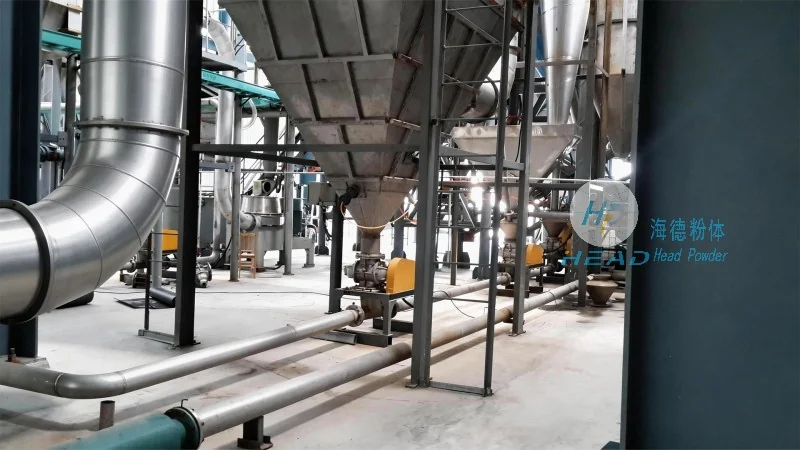
- Flow Rate and Velocity: The system is designed to maintain a specific flow rate and velocity of the conveying medium (air or gas) to ensure the sintered dust is transported without clogging or deposition. The velocity is typically maintained above a critical value to prevent the dust particles from settling in the line. The flow rate is adjusted based on the size and density of the dust particles, as well as the distance to be covered.
- Pressure Drop Management: The pressure drop across the conveying line is a critical factor in the system's design. Excessive pressure drop can lead to reduced conveying efficiency and increased energy consumption. Designers use appropriate line diameters, bends, and components to minimize pressure drop while ensuring sufficient air velocity to transport the dust. Regular maintenance and cleaning of the line are also essential to prevent pressure buildup and maintain optimal performance.
- Material Compatibility: The components of the system are selected to be compatible with the sintered dust and the conveying medium. The materials used for the hopper, line, and other parts must be resistant to corrosion, abrasion, and chemical reactions with the dust. Stainless steel is commonly used for its durability and resistance to corrosion, while special coatings may be applied to further enhance wear resistance.
- Environmental and Safety Considerations: The design of the system incorporates measures to minimize dust dispersion and ensure compliance with environmental regulations. The system may include dust collection and filtration systems to capture any airborne particles, preventing pollution and protecting the environment. Safety features, such as pressure relief valves and emergency shut-off mechanisms, are also integrated to prevent accidents and ensure the safety of operators.
Applications and Benefits
Sintered dust gas-pneumatic conveying systems are widely used in various industries that involve sintering processes, such as steel production, mining, and chemical manufacturing. The primary benefits of using such a system include:




