

What is a Bentonite Pneumatic Conveying System? And What Are Its Design Principles?
Bentonite, a natural clay with excellent water absorption and swelling properties, is widely used in various industrial applications, including construction, oil and gas, and environmental remediation. A bentonite pneumatic conveying system is a specialized equipment designed to transport bentonite powder or slurry through a pipeline using compressed air or other gas as the conveying medium. This system offers a dust-free, efficient, and flexible method for handling bentonite, which is crucial for maintaining product quality and operational safety.
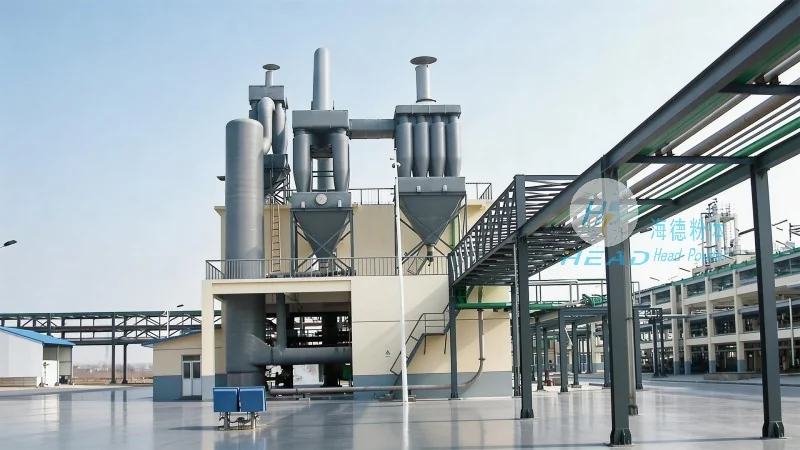
The core of a bentonite pneumatic conveying system lies in its ability to handle the unique characteristics of bentonite. Unlike traditional bulk materials, bentonite can form a viscous slurry when mixed with water, which requires a specialized design to ensure smooth and continuous transport. The system typically consists of several key components, including a hopper for material storage, a feeder to control the flow rate, a conveying line with appropriate diameter and length, and a receiver for the discharged material. Compressed air is introduced at one end of the line, creating a pressure differential that propels the bentonite particles through the pipeline.
Key Design Principles of Bentonite Pneumatic Conveying Systems
The design of a bentonite pneumatic conveying system must consider several critical factors to ensure optimal performance and reliability. First, the system must be capable of handling the high moisture content and potential for caking or agglomeration in bentonite. This often involves incorporating a pre-drying or conditioning step to reduce moisture and improve flowability. The feeder design is also crucial, as it needs to maintain a consistent flow rate to prevent blockages or uneven conveying. Additionally, the conveying line material must be resistant to corrosion and wear, as bentonite can be abrasive and may contain acidic components from its natural source.
Another important design principle is the selection of the conveying velocity and pressure. The velocity must be high enough to prevent material settling or clogging but low enough to avoid excessive wear on the pipeline and components. The pressure differential is typically maintained between 0.5 to 2 bar, depending on the system's length and the material's properties. The system may also include a filter or separator at the receiver to remove any entrained air or fine particles, ensuring the discharged bentonite is free from contaminants.
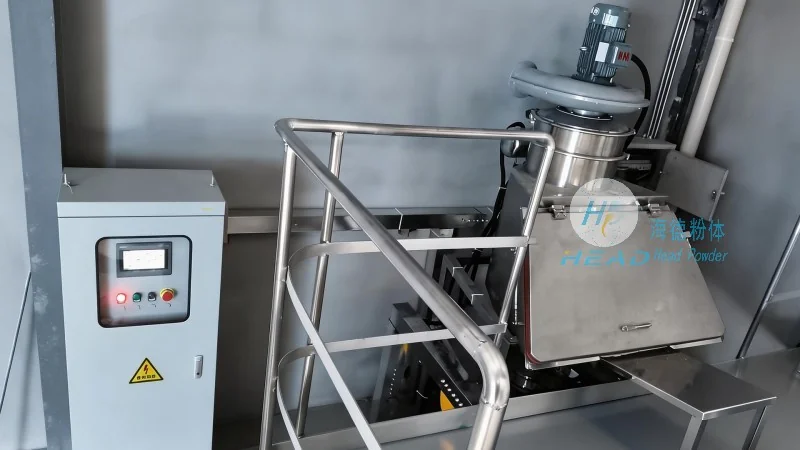
About Shandong HeadPowder Engineering Co., Ltd.
Shandong HeadPowder Engineering Co., Ltd., commonly known as HeadPowder, is a leading manufacturer and supplier of bentonite processing equipment and pneumatic conveying systems. With years of experience in the industry, HeadPowder specializes in designing and manufacturing customized solutions for bentonite handling, catering to the diverse needs of various industries. The company's team of engineers and technicians leverages advanced technology and rigorous quality control to ensure that each system meets the highest standards of performance, efficiency, and durability. HeadPowder's commitment to innovation and customer satisfaction has made it a trusted partner for businesses worldwide seeking reliable bentonite conveying solutions.
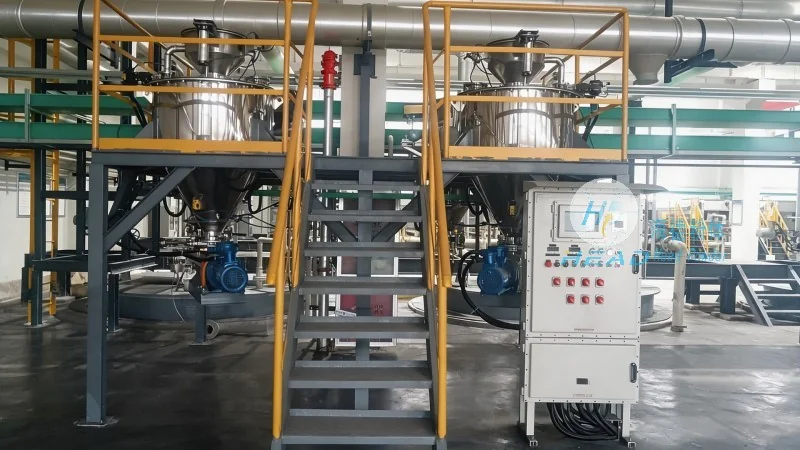
HeadPowder's bentonite pneumatic conveying systems are engineered to provide efficient, cost-effective, and environmentally friendly material transport. The company's products are designed to handle a wide range of bentonite types, from dry powder to slurry, and can be integrated into existing production lines or used as standalone systems. By leveraging the company's expertise in material handling and pneumatic technology, businesses can improve their operational efficiency, reduce downtime, and enhance product quality. HeadPowder's dedication to providing tailored solutions ensures that each system is optimized for the specific application, whether it's for construction site stabilization, oil well drilling, or environmental remediation projects.
Benefits of Using a Bentonite Pneumatic Conveying System
Implementing a bentonite pneumatic conveying system offers numerous benefits for industrial operations. One of the primary advantages is the ability to handle bentonite in a dust-free environment, which improves workplace safety and reduces the risk of respiratory issues for workers. The system also minimizes material loss and contamination, as the enclosed pipeline prevents exposure to external elements. Additionally, pneumatic conveying allows for flexible and remote material transport, enabling efficient distribution of bentonite to different parts of a facility or even to off-site locations.
From an operational perspective, the system enhances process control and consistency. The controlled flow rate and pressure ensure that the bentonite is delivered at a precise rate, which is critical for maintaining the quality of the final product. This consistency also reduces the need for manual intervention and improves overall productivity. Furthermore, the system's compact design and minimal maintenance requirements contribute to lower operational costs and increased uptime. By integrating a bentonite pneumatic conveying system, businesses can achieve significant improvements in efficiency, safety, and cost-effectiveness.
Conclusion
Bentonite pneumatic conveying systems are essential equipment for industries relying on bentonite, offering a reliable and efficient method for material transport. The design principles, including proper handling of moisture, material flow control, and corrosion resistance, are critical to the system's performance. Companies like Shandong HeadPowder Engineering Co., Ltd. play a vital role in providing customized solutions that meet the specific needs of their clients. By leveraging such systems, businesses can enhance their operational capabilities, improve product quality, and ensure workplace safety. As the demand for bentonite continues to grow, the importance of efficient and reliable conveying systems will only increase, making them an indispensable part of modern industrial operations.