

Main Structures of White Clay Powder Pneumatic Conveying Systems?
White clay powder, a vital material in numerous industrial applications, necessitates efficient and reliable transportation methods to maintain operational efficiency. Pneumatic conveying systems have become a preferred solution for handling such powders due to their ability to transport materials without direct contact, minimizing contamination and wear. This article delves into the primary structural components of white clay powder pneumatic conveying systems, highlighting the key elements that contribute to their functionality and effectiveness.
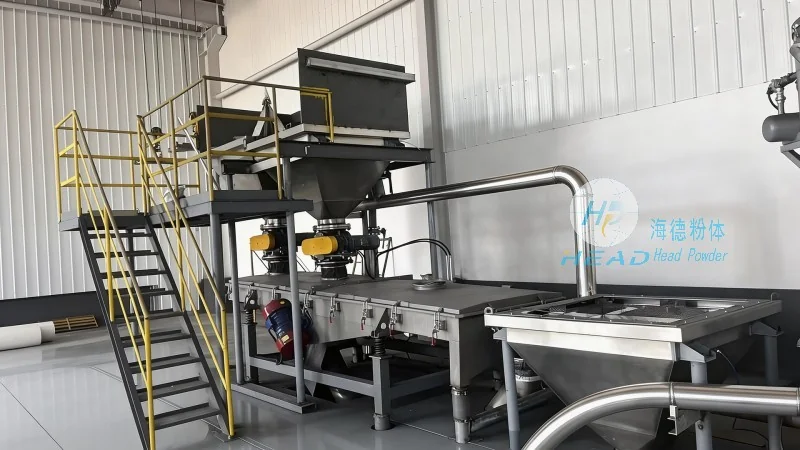
About Shandong HeadPowder Engineering Co., Ltd.
HeadPowder, a leading provider in the field, specializes in designing and manufacturing advanced pneumatic conveying solutions tailored to the needs of industrial clients. With a strong presence in Shandong, China, the company leverages years of experience and technical expertise to deliver high-quality systems that meet stringent industry standards. The company’s commitment to innovation and customer satisfaction has established it as a trusted partner for businesses seeking efficient material handling solutions.
Main Structural Components of White Clay Powder Pneumatic Conveying Systems
The core structure of a white clay powder pneumatic conveying system typically comprises several key components that work in unison to facilitate the movement of the powder. These components are essential for ensuring the system operates efficiently and safely. The primary structures include the feeding unit, the conveying line, the separation and collection system, and the control and monitoring mechanisms.
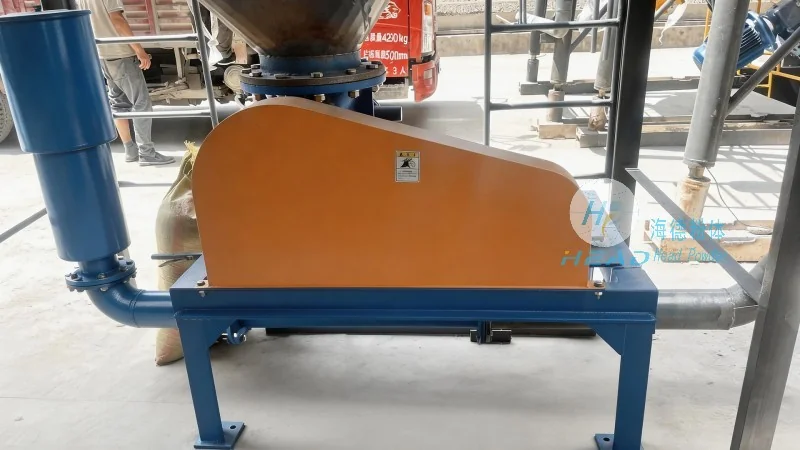
Feeding Unit
The feeding unit is the initial component that introduces the white clay powder into the system. It is engineered to handle the material in a controlled manner, preventing blockages and ensuring a consistent flow rate. Common feeding methods include rotary valves, screw feeders, and pneumatic feeders, each offering specific advantages depending on the material properties and system requirements. The feeding unit is critical as it sets the foundation for the entire conveying process, influencing the system's overall performance and reliability.
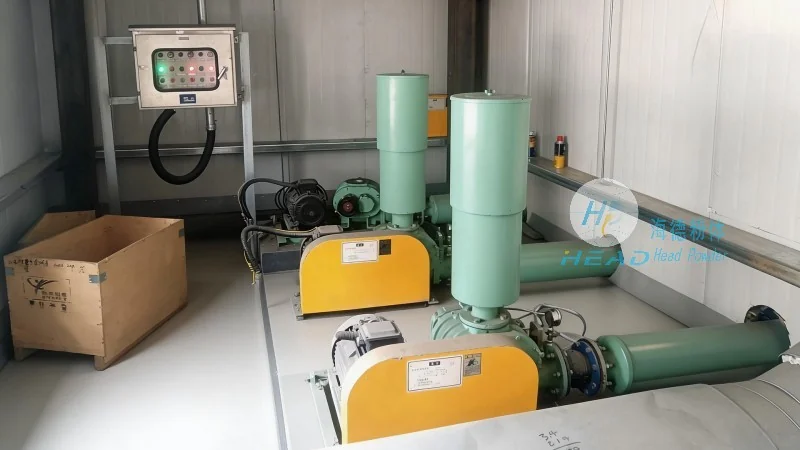
Conveying Line
The conveying line is the central part of the system where the white clay powder is transported from the feeding point to the destination. It consists of pipes or ducts that are typically made of materials resistant to corrosion and wear, such as stainless steel or special alloys, to withstand the abrasive nature of the powder. The design of the conveying line, including its diameter, length, and layout, plays a significant role in determining the system's efficiency. Proper line sizing and routing are essential to minimize pressure losses and ensure the material is conveyed at the desired velocity. Additionally, the line may incorporate features like bends, elbows, and expansion joints to accommodate changes in direction and accommodate thermal expansion, maintaining the system's integrity.
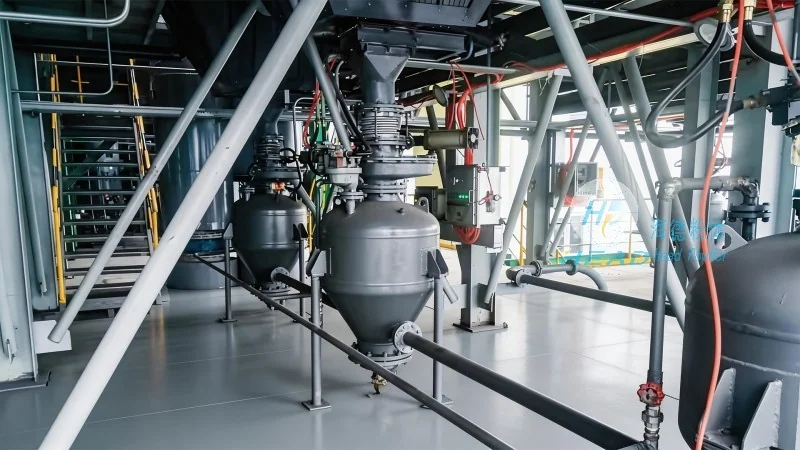
Separation and Collection System
After the white clay powder reaches its destination, the separation and collection system is responsible for removing the air from the material and collecting the powder in a controlled manner. This component typically includes a cyclone separator or a baghouse filter, which separates the powder from the air stream. The cyclone separator works by using centrifugal force to separate the heavier particles from the lighter air, directing the powder to a collection hopper. The baghouse filter, on the other hand, uses fabric bags to trap the fine particles, ensuring that the exhaust air is clean and meets environmental regulations. The effectiveness of the separation system is crucial for maintaining the quality of the white clay powder and preventing dust emissions, which is essential for both operational efficiency and compliance with environmental standards.
Control and Monitoring Mechanisms
Modern white clay powder pneumatic conveying systems are equipped with advanced control and monitoring mechanisms to ensure optimal performance and safety. These systems include pressure sensors, flow meters, and control valves that regulate the air pressure and flow rate within the system. The control system monitors various parameters such as pressure, temperature, and flow rate, and adjusts the operation of the components accordingly to maintain stable operation. Additionally, the system may include safety features like pressure relief valves and emergency shut-off mechanisms to prevent over-pressurization and other potential hazards. The integration of these control and monitoring components enhances the system's reliability, reduces downtime, and ensures that the white clay powder is transported safely and efficiently.