

[MATIN Structures of Biological Enzyme Pneumatic Conveying Systems]
Shandong HeadPowder Engineering Co., Ltd., commonly known as HeadPowder, is a professional manufacturer and supplier based in Shandong, China. The company specializes in the design, development, and production of advanced biological enzyme pneumatic conveying systems, which are widely used in various industrial applications requiring efficient and hygienic material handling. This article will explore the key structural components that constitute the main framework of these systems, highlighting their functionality and importance in ensuring optimal performance.
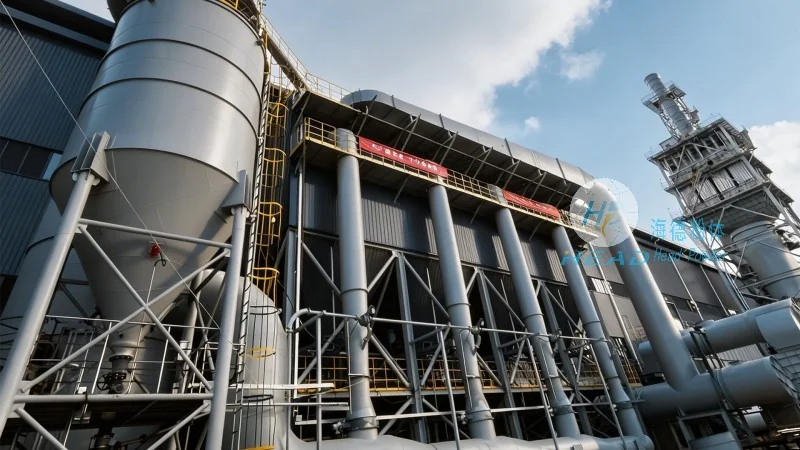
Overview of Biological Enzyme Pneumatic Conveying Systems
Biological enzyme pneumatic conveying systems are engineered to transport enzymes and other biologically active materials through a pressurized air stream. Unlike traditional mechanical conveying methods, these systems offer advantages such as minimal product contamination, reduced risk of cross-contamination, and the ability to handle sensitive materials without damage. The main structures of these systems are designed to work in harmony, ensuring smooth and efficient material transport from the source to the destination.
Key Structural Components of Biological Enzyme Pneumatic Conveying Systems
The core components of a biological enzyme pneumatic conveying system include the material feeding unit, the conveying pipeline, the air supply system, the control system, and the receiving hopper. Each component plays a critical role in the overall operation of the system, and their integration is essential for achieving reliable and consistent performance.
Material Feeding Unit
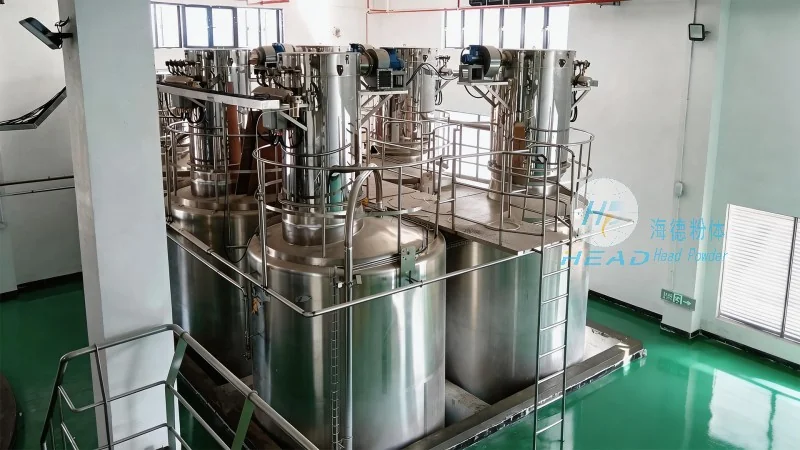
The material feeding unit is responsible for introducing the biological enzymes into the conveying system. This component typically consists of a hopper or a feeder that can handle bulk materials and ensure a steady flow of the product. For biological enzymes, which are often in powder or granular form, the feeding unit is designed to minimize product degradation and maintain the integrity of the enzymes. The unit may include features such as a rotary valve or a screw feeder to control the flow rate and prevent blockages. The design of the feeding unit is crucial as it directly impacts the uniformity of the material feed and the overall efficiency of the conveying process.
Conveying Pipeline
The conveying pipeline is the main channel through which the biological enzymes are transported. It is usually made of materials that are compatible with the enzymes and resistant to corrosion and contamination. Common materials for the pipeline include stainless steel, PTFE, or food-grade plastics. The pipeline is designed with smooth inner surfaces to reduce friction and prevent product accumulation, which can lead to blockages or product degradation. The diameter and length of the pipeline are carefully selected based on the material properties, flow rate, and the distance between the feeding and receiving points. Proper pipeline design ensures that the enzymes are conveyed at the optimal velocity, minimizing the risk of particle breakage and maintaining the activity of the enzymes throughout the process.
Air Supply System
The air supply system provides the necessary pressure and airflow to move the biological enzymes through the pipeline. This system typically includes a blower or a compressor, which generates the required air pressure. The air is then filtered and conditioned to remove contaminants and ensure that it is clean and dry, as any moisture or impurities can affect the quality of the enzymes. The system may also include a pressure regulator to maintain a consistent air pressure, which is vital for stable conveying performance. The air supply system is designed to be energy-efficient and reliable, as it operates continuously during the conveying process. Proper maintenance of the air supply system is essential to prevent air leaks and ensure consistent performance.
Control System
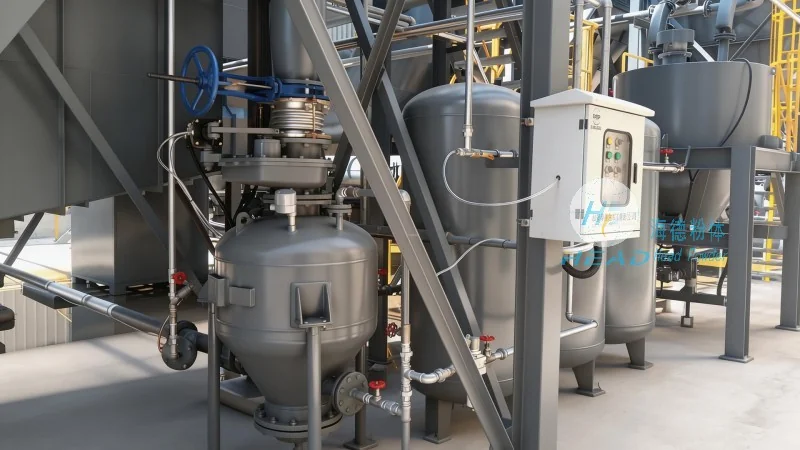
The control system is responsible for monitoring and regulating the operation of the biological enzyme pneumatic conveying system. It includes sensors, controllers, and automation equipment that track various parameters such as pressure, flow rate, and material level. The control system ensures that the conveying process is operated within safe and optimal parameters, preventing overloading or underloading of the system. It also provides real-time feedback to the operators, allowing them to make adjustments as needed. The control system may include features such as automatic start-up and shut-down, which enhance the safety and efficiency of the operation. For biological enzyme applications, the control system is designed to minimize the risk of product contamination and ensure that the enzymes are handled under sterile conditions.
Receiving Hopper
The receiving hopper is the final component of the biological enzyme pneumatic conveying system, where the conveyed material is collected. It is typically a large, cylindrical or rectangular container with a smooth interior to prevent product buildup. The hopper is designed to handle the incoming flow of enzymes and ensure that the material is discharged smoothly into the next processing step. The design of the receiving hopper includes features such as a discharge valve or a rotary valve to control the flow of the material. The hopper may also be equipped with a level indicator to monitor the material level and prevent overfilling. Proper design of the receiving hopper is crucial to avoid product spillage and ensure that the enzymes are stored in a hygienic and controlled environment.
Integration and Maintenance of Biological Enzyme Pneumatic Conveying Systems
The successful operation of a biological enzyme pneumatic conveying system relies on the proper integration of all its components and regular maintenance. The system must be designed to meet the specific requirements of the application, considering factors such as the type of enzymes, the flow rate, and the distance of transport. Regular maintenance, including cleaning, inspection, and replacement of worn parts, is essential to ensure the longevity and performance of the system. HeadPowder, as a professional manufacturer, offers comprehensive maintenance services and spare parts to support the operation of its biological enzyme pneumatic conveying systems. By adhering to proper maintenance practices, users can maximize the efficiency and lifespan of their systems while maintaining the quality of the biological enzymes being transported.