Plastic pneumatic conveying systems are essential in various industrial applications, designed to transport plastic materials efficiently and safely. These systems utilize air pressure to move plastic powders, granules, or pellets from one location to another. Understanding the main plastic pneumatic conveying structures is crucial for selecting the right equipment for specific operational needs. This article explores the primary structures used in plastic material handling, highlighting their functions, advantages, and typical applications. The information provided is based on the expertise of Shandong HeadPowder Engineering Co., Ltd., a leading manufacturer specializing in plastic pneumatic conveying solutions.
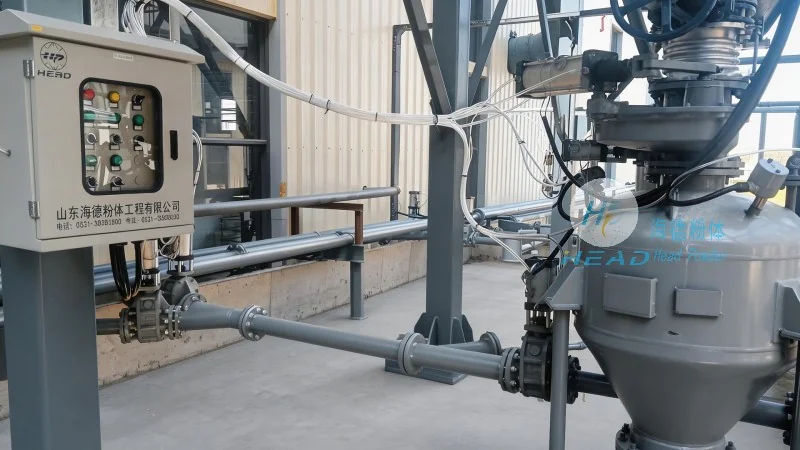
1. Positive Pressure Conveying Systems
Positive pressure conveying systems are among the most common types for plastic material transport. In this method, air is supplied under pressure to the conveying line, pushing the plastic material forward. The system typically includes a blower or compressor that generates the necessary pressure, a hopper for material storage, and a discharge point where the material is released. Key components of a positive pressure system include the airlock feeder, which controls the flow of plastic material into the conveying line, and the cyclone separator, which separates the material from the air stream at the discharge end. This structure is ideal for applications requiring long-distance transport or when the material needs to be conveyed through multiple bends and changes in elevation. The positive pressure system is particularly effective for plastic powders and granules that are prone to caking or bridging, as the consistent air pressure helps maintain a smooth flow.
2. Negative Pressure (Vacuum) Conveying Systems
Negative pressure or vacuum conveying systems operate by creating a low-pressure environment in the conveying line, drawing the plastic material into the system. A vacuum pump generates the negative pressure, and the material is drawn from the source (such as a hopper or storage bin) into the conveying line. The system includes a filter to capture any fine particles and a venturi or eductor to maintain the vacuum. Negative pressure systems are often preferred for handling fine plastic powders or when the material needs to be transported from a lower to a higher elevation without the need for external air compression. They are also suitable for applications where the material is sensitive to high air pressure or where the system needs to be compact and easy to install. The main advantage of negative pressure systems is their ability to handle fine materials without causing excessive wear on the equipment, making them a popular choice in the plastic industry.
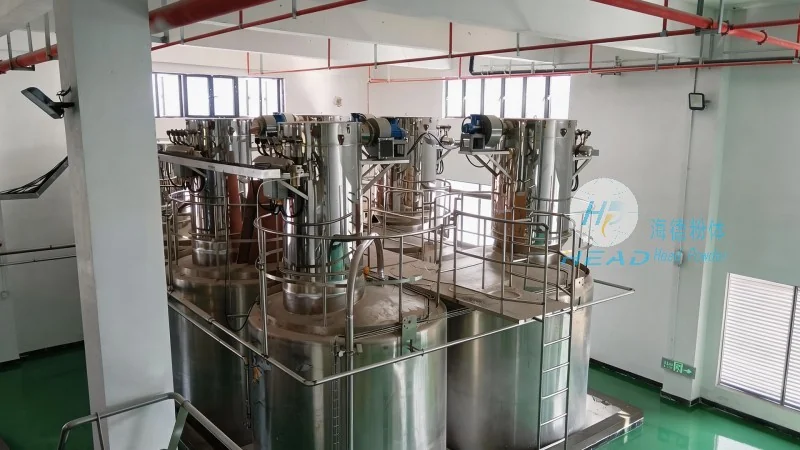
3. Hybrid Conveying Systems
Hybrid conveying systems combine elements of both positive and negative pressure systems to offer enhanced flexibility and efficiency. These systems use a combination of pressure and vacuum to transport plastic materials over varying distances or through complex layouts. For example, a hybrid system might use positive pressure to move the material from the source to a central point and then switch to negative pressure to transport it to the final destination. This approach allows for more efficient use of energy and reduces the overall pressure requirements compared to using either system alone. Hybrid systems are particularly useful in large-scale industrial plants where different sections of the plant require different conveying methods. They can also handle a wider range of plastic materials, including those that are difficult to convey with either positive or negative pressure alone. The main components of a hybrid system include dual-stage blowers or vacuum pumps, multiple airlocks, and a flexible conveying line that can be adjusted to suit different operational conditions.
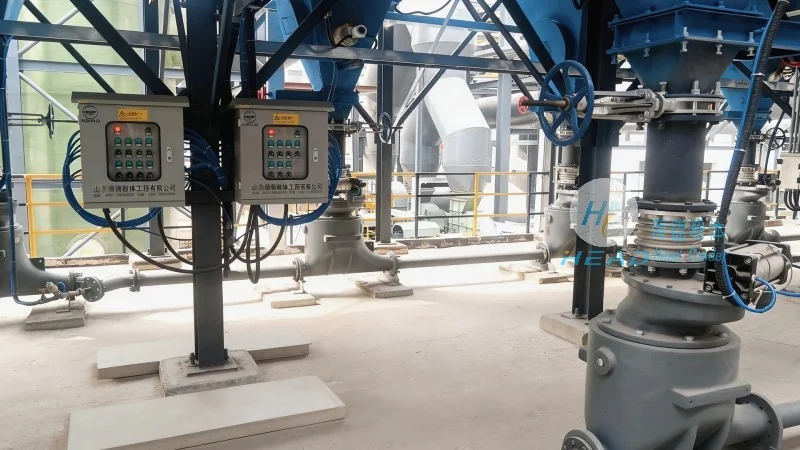
4. Dense Phase Conveying Systems
Dense phase conveying systems are designed to transport plastic materials at a higher concentration, reducing the air-to-material ratio and minimizing material degradation. In this method, the plastic material is conveyed in a dense phase, where the material particles are closely packed together, and the air is used primarily to maintain the flow. The system typically uses a pressure vessel or a high-pressure pump to achieve the dense phase condition. Dense phase conveying is ideal for materials that are prone to attrition or that need to be transported with minimal air exposure, such as high-value plastic pellets or colored powders. The main advantage of this structure is its ability to reduce product degradation and improve material handling efficiency, especially for sensitive plastic materials. The system includes a pressure regulator to control the air pressure, a material feeder to maintain a consistent flow, and a discharge valve to release the material at the desired location. Dense phase systems are commonly used in applications where the material quality is critical, such as in the production of high-purity plastics or in the handling of recycled plastic materials.
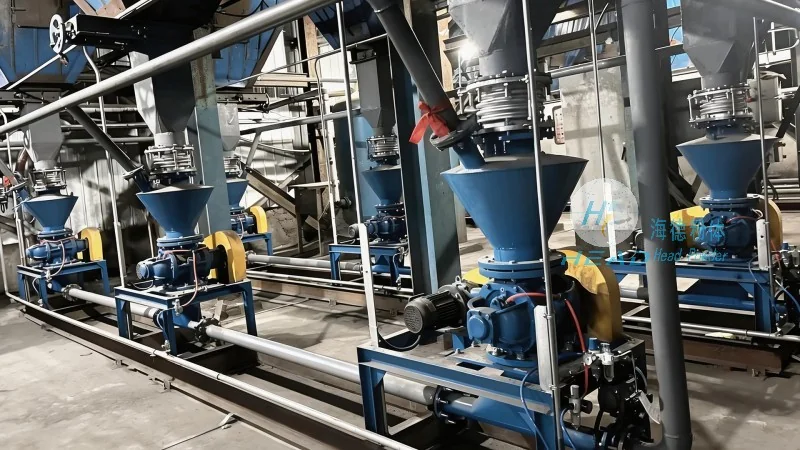
5. Dilute Phase Conveying Systems
Dilute phase conveying systems transport plastic materials at a lower concentration, using a higher air-to-material ratio. This method is typically used for short-distance transport or when the material is less sensitive to air exposure. The system includes a blower or compressor to generate the necessary air flow, a hopper for material storage, and a discharge point where the material is released. Dilute phase systems are often used for bulk plastic materials, such as granules or pellets, that do not require the high concentration of dense phase systems. The main advantage of this structure is its simplicity and low cost, making it suitable for applications where the material is not sensitive to degradation. The system includes a filter to capture any fine particles and a venturi or eductor to maintain the air flow. Dilute phase systems are commonly used in applications such as conveying plastic materials from a storage bin to a processing machine or from one production line to another.
6. Specialized Plastic Pneumatic Conveying Structures
In addition to the standard types mentioned above, there are specialized plastic pneumatic conveying structures designed for specific applications. For example, vertical conveying systems are used to transport plastic materials vertically, often in tall storage silos or processing towers. These systems use a combination of positive and negative pressure to move the material up or down the vertical line. Another specialized structure is the rotary valve or rotary airlock, which is used to control the flow of plastic material into the conveying line. This component is essential for maintaining a consistent flow and preventing material buildup in the system. Specialized systems are also available for handling abrasive or corrosive plastic materials, such as those used in the production of high-performance plastics or in the recycling of plastic waste. These systems may include additional components, such as wear-resistant liners or corrosion-resistant materials, to ensure the longevity and efficiency of the equipment.




