

Main Structures of Fertilizer Pneumatic Conveying Systems
When it comes to efficient and reliable fertilizer handling, pneumatic conveying systems offer a robust solution. The core structures of these systems are designed to ensure optimal performance, safety, and durability in agricultural and industrial applications. Understanding these key components is essential for selecting or maintaining a system that meets specific operational needs.
Key Components of Fertilizer Pneumatic Conveying Systems
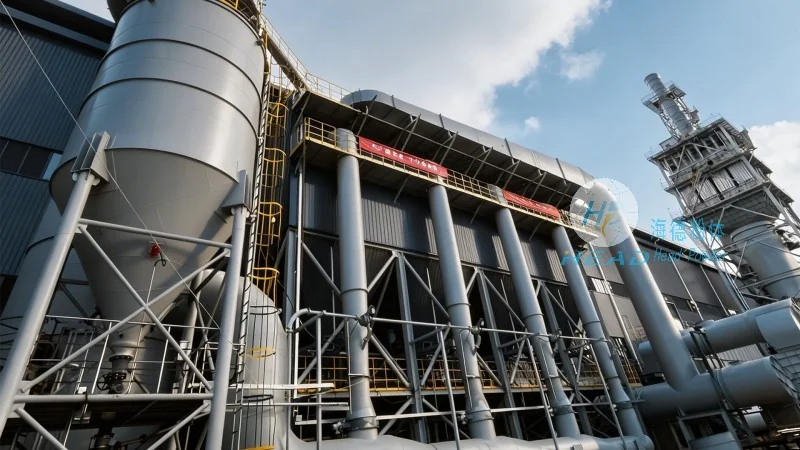
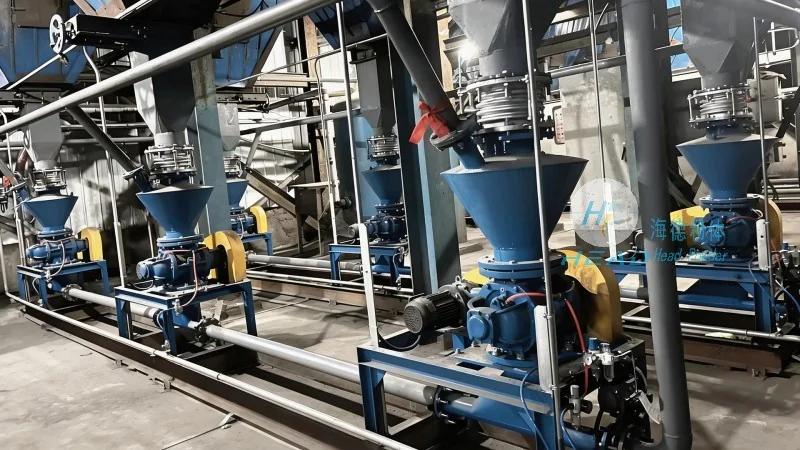
The primary structures of a fertilizer pneumatic conveying system include several critical elements that work in tandem to transport bulk materials. These components are engineered to handle the unique characteristics of fertilizers, such as particle size, moisture content, and flowability. Each part plays a vital role in the overall efficiency and effectiveness of the system.
The Role of Conveying Pipelines
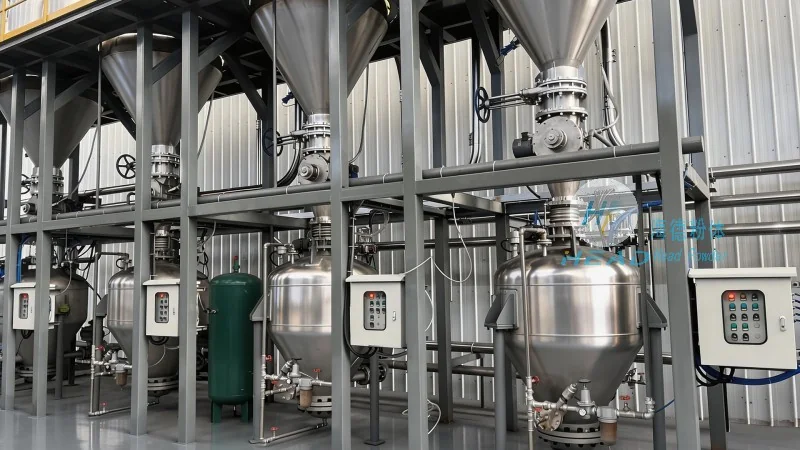
The conveying pipelines form the backbone of the pneumatic system, providing the path for material transport. These pipelines are typically made from durable materials like stainless steel or high-density polyethylene (HDPE) to withstand the abrasive nature of fertilizer particles and resist corrosion. The design of the pipelines, including their diameter, length, and layout, is crucial for maintaining consistent air velocity and preventing material buildup or blockages. Proper pipeline installation and maintenance are essential to ensure smooth operation and minimize downtime.
The Role of Conveying Pipelines (Expanded)
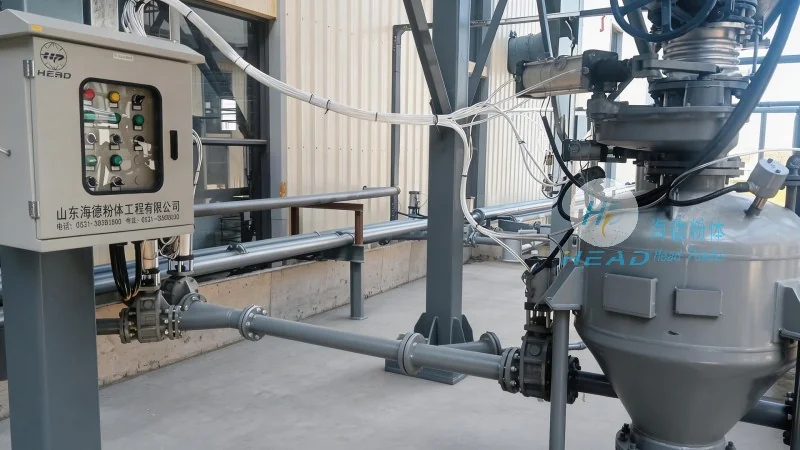
The conveying pipelines are a critical component of the fertilizer pneumatic conveying system, serving as the primary pathway for material transport. These pipelines are typically constructed from materials such as stainless steel, carbon steel, or high-density polyethylene (HDPE), depending on the specific requirements of the application. Stainless steel is preferred for its corrosion resistance and durability, especially when handling fertilizers with high moisture content or acidic properties. The diameter of the pipelines is carefully selected based on the desired air velocity and the size of the fertilizer particles. A larger diameter may be used for high-capacity systems to reduce pressure drop and energy consumption, while smaller diameters are suitable for shorter conveying distances or smaller particle sizes. The layout of the pipelines, including vertical and horizontal sections, is designed to minimize the number of bends and changes in direction, as excessive bends can cause increased pressure loss and potential blockages. Proper support and bracing of the pipelines are essential to prevent sagging or vibration, which could lead to material buildup or equipment damage.