

Main Structures of PVC Powder Pneumatic Conveying Systems
For industrial applications involving the transport of PVC powder, understanding the core structures of pneumatic conveying systems is essential. These systems are designed to efficiently move powders like PVC through a network of components that ensure reliable, low-dust operation. The following discussion outlines the primary structures that constitute a typical PVC powder pneumatic conveying system, with insights from Shandong HeadPowder Engineering Co., Ltd., a leading provider based in China.
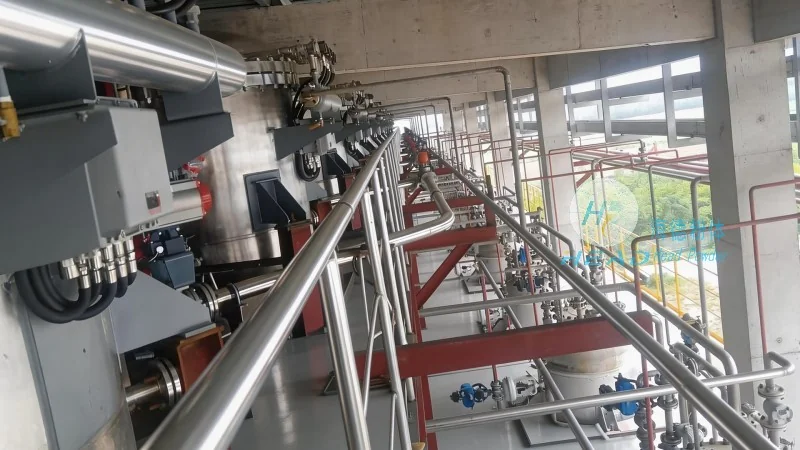
Overview of PVC Powder Pneumatic Conveying Systems
PVC powder pneumatic conveying systems utilize air or gas to transport particulate materials through a pipeline. Unlike traditional mechanical conveying methods, pneumatic systems offer advantages such as reduced maintenance, minimal product contamination, and the ability to handle materials with varying particle sizes and moisture content. The effectiveness of these systems heavily relies on the integration of several critical structures that work in tandem to achieve optimal performance.
Key Structural Components and Their Functions
The main structures of a PVC powder pneumatic conveying system typically include the following components, each playing a vital role in the overall operation:
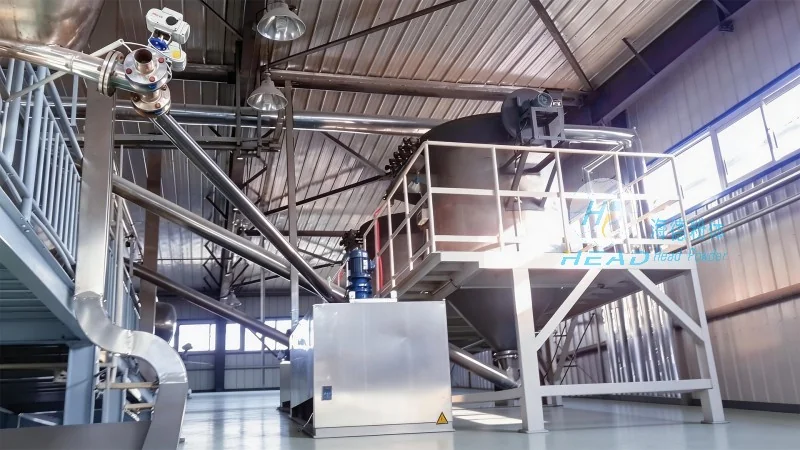
1. Material Hopper and Feeder
The material hopper serves as the storage vessel for PVC powder, providing a consistent supply to the system. It is usually equipped with a feeder, such as a rotary valve or a screw feeder, which controls the flow rate of the powder into the conveying line. This component ensures that the material is fed at a controlled rate, preventing overloading or underfeeding that could disrupt the system's performance.
2. Air Supply and Compressor Unit
The air supply system, often powered by a compressor, generates the necessary pressure and airflow to move the PVC powder through the pipeline. The compressor unit is responsible for delivering compressed air or gas at the required pressure and volume. Proper selection of the compressor is crucial, as it directly impacts the system's efficiency and the ability to handle different powder characteristics.
3. Conveying Pipeline and Tubing
The pipeline or tubing forms the main transport path for the PVC powder. It is typically made of materials resistant to corrosion and abrasion, such as stainless steel or special plastics, to withstand the abrasive nature of PVC particles. The design of the pipeline, including its diameter and length, is critical in determining the system's capacity and pressure drop. Properly sized and routed pipelines minimize energy consumption and ensure smooth material flow.
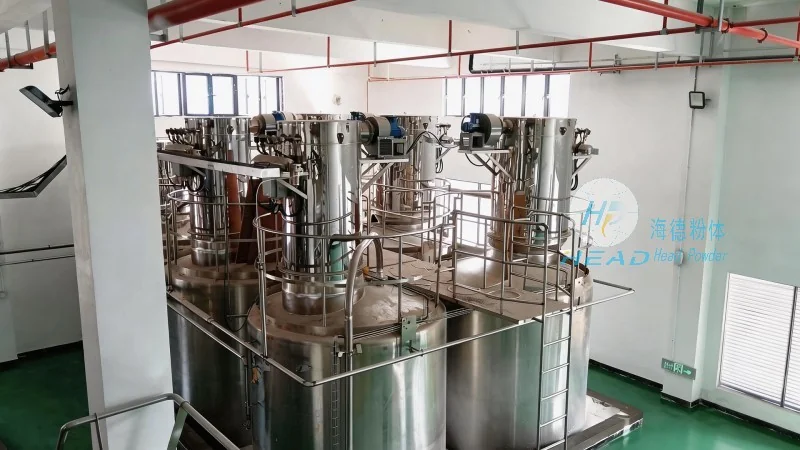
4. Solids Separation and Filter System
After the PVC powder reaches its destination, the conveying air must be separated from the solids. The solids separation system, often consisting of a cyclone separator or a bag filter, captures the powder and returns it to the system or the storage hopper. The filter system removes any remaining dust from the exhaust air, ensuring compliance with environmental regulations and maintaining a clean working environment.
5. Control and Monitoring Systems
Modern PVC powder pneumatic conveying systems are equipped with control and monitoring systems that allow operators to manage the process efficiently. These systems may include pressure sensors, flow meters, and control panels that provide real-time data on system performance. By monitoring parameters such as pressure, flow rate, and material level, operators can quickly identify and address any issues, ensuring continuous and reliable operation.
Design Considerations for PVC Powder Pneumatic Conveying Structures
The design of PVC powder pneumatic conveying structures must consider several factors to ensure optimal performance and longevity. Material selection is a key consideration, as the components must be resistant to the chemical and physical properties of PVC powder. For instance, stainless steel is commonly used for pipelines and hoppers due to its corrosion resistance and durability. Additionally, the system's capacity and pressure requirements must be carefully calculated based on the specific characteristics of the PVC powder, including particle size, density, and moisture content.
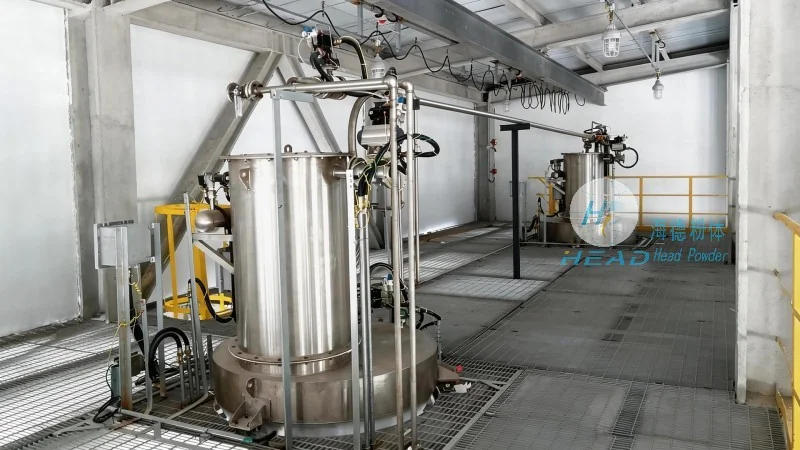
Advantages of PVC Powder Pneumatic Conveying Structures
Implementing a well-designed PVC powder pneumatic conveying system offers several advantages for industrial applications. These systems provide a dust-free environment, reducing the risk of product contamination and improving workplace safety. They also offer flexibility in material handling, allowing for the transport of PVC powder over long distances or between different processing stages. Furthermore, pneumatic conveying systems can be integrated with other equipment, such as mixers or reactors, to create a seamless production line.
Conclusion
In summary, the main structures of PVC powder pneumatic conveying systems, including the material hopper, air supply unit, conveying pipeline, solids separator, and control systems, work together to enable efficient and reliable transport of PVC powder. Shandong HeadPowder Engineering Co., Ltd., with its expertise in pneumatic conveying technology, provides comprehensive solutions tailored to the specific needs of industrial clients. By understanding and optimizing these key structures, industries can enhance their operational efficiency and maintain high product quality.