High-calcium powder, widely used in various industrial applications such as food processing, pharmaceuticals, and construction materials, requires efficient and reliable conveying systems to ensure consistent performance and safety. The choice of conveying method for high-calcium powder is critical as it directly impacts production efficiency, product quality, and operational costs. This article explores the various methods available for high-calcium powder conveying, providing insights into the most suitable options for different industrial needs.
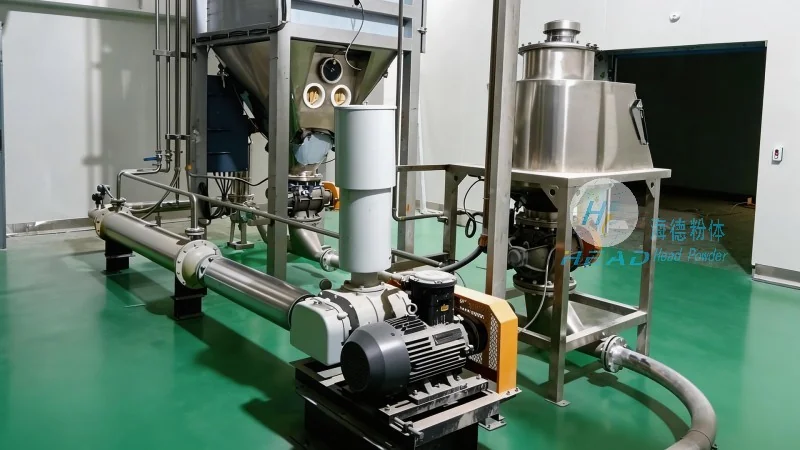
Introduction to High-Calcium Powder Conveying
High-calcium powder, characterized by its fine particle size and high calcium content, poses unique challenges during material handling. Traditional conveying methods may not be suitable due to the powder's tendency to clog, agglomerate, or cause dust issues. Therefore, specialized conveying systems are essential to maintain the integrity of the powder and ensure smooth operation. The following methods are commonly employed for high-calcium powder conveying, each with its own advantages and applications.
Key Considerations for High-Calcium Powder Conveying
Before selecting a conveying method, several factors must be considered to ensure optimal performance. These include the powder's flowability, moisture content, particle size distribution, and the required conveying distance and capacity. Additionally, the environmental conditions, such as temperature and humidity, and the need for dust control or explosion-proof features also play a crucial role in the selection process. Understanding these factors helps in choosing the most appropriate conveying system for high-calcium powder applications.
Common Conveying Methods for High-Calcium Powder
1. Pneumatic Conveying Systems - Pneumatic conveying uses air or gas to transport high-calcium powder through a pipeline. This method is ideal for short to medium conveying distances and can handle fine powders effectively. There are two main types of pneumatic conveying: pressure and vacuum systems. Pressure systems are suitable for high-volume applications, while vacuum systems are better for low-volume or long-distance conveying. Pneumatic conveying offers advantages such as low maintenance, ability to handle abrasive materials, and minimal product degradation. However, it requires proper air filtration and may have higher energy consumption compared to other methods.
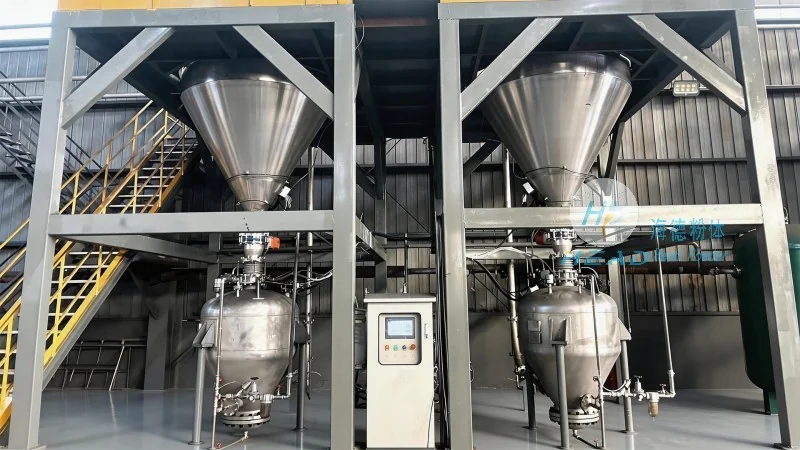
2. Screw Conveyors - Screw conveyors, also known as auger conveyors, use a rotating screw to move high-calcium powder through a tube or trough. This method is suitable for horizontal or slightly inclined conveying and is commonly used in industries where the powder needs to be mixed or processed along the conveying path. Screw conveyors are known for their simplicity, low cost, and ability to handle a wide range of particle sizes. They are particularly effective for conveying dry, free-flowing powders like high-calcium powder. However, they may not be suitable for very fine or cohesive powders as they can cause clogging or wear on the screw and trough.
3. Belt Conveyors - Belt conveyors use a continuous belt to transport high-calcium powder over a series of rollers or idlers. This method is ideal for long-distance conveying and high-volume applications. Belt conveyors are capable of handling large quantities of material and can be designed with special features such as dust covers or explosion-proof components to meet the requirements of high-calcium powder handling. They offer advantages such as high efficiency, low maintenance, and the ability to transport materials at high speeds. However, they require regular inspection and maintenance to prevent belt wear or slippage, and may not be suitable for very fine powders that can cause dust issues.
4. Bucket Elevators - Bucket elevators use a series of buckets attached to a chain or belt to lift high-calcium powder vertically. This method is commonly used for vertical or inclined conveying and is particularly effective for high-capacity applications. Bucket elevators are known for their high efficiency, low power consumption, and ability to handle abrasive materials. They are suitable for conveying high-calcium powder from a lower to a higher level, such as from a storage silo to a processing unit. However, they may have higher initial costs and require more maintenance compared to other methods, especially when handling very fine or cohesive powders.
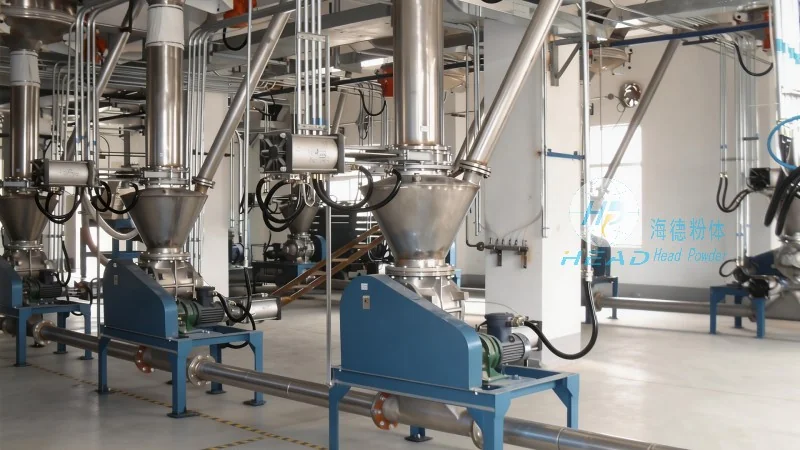
5. Hydraulic Conveying - Hydraulic conveying uses a liquid medium, typically water or a special fluid, to transport high-calcium powder. This method is suitable for long-distance conveying and can handle very fine or abrasive powders. Hydraulic conveying offers advantages such as high capacity, low energy consumption, and the ability to transport materials in a closed system, reducing dust emissions. However, it requires specialized equipment and may have higher maintenance costs due to the need for fluid handling and filtration systems.
Choosing the Right Conveying Method for High-Calcium Powder
When selecting a conveying method for high-calcium powder, it is essential to consider the specific requirements of the application. The choice should be based on factors such as the powder's properties, conveying distance, capacity, and operational environment. For example, pneumatic conveying may be preferred for short-distance, high-volume applications, while screw conveyors are suitable for horizontal conveying of dry, free-flowing powders. Belt conveyors are ideal for long-distance, high-capacity applications, and bucket elevators are effective for vertical lifting. Each method has its strengths and limitations, and the optimal solution often involves a combination of these systems to meet the specific needs of the operation.
Conclusion
Efficient and reliable conveying of high-calcium powder is crucial for maintaining production efficiency and product quality in various industrial applications. The choice of conveying method depends on several factors, including the powder's characteristics, conveying distance, and operational requirements. By understanding the different methods available and their advantages, industries can select the most appropriate system to ensure smooth and safe material handling. As a leading provider of engineering solutions for powder handling, Shandong HeadPowder Engineering Co., Ltd. offers specialized conveying systems tailored to the unique needs of high-calcium powder applications, ensuring optimal performance and long-term reliability.




